
Wildwood Crest Cash Buyer Offers: Contract Checklist
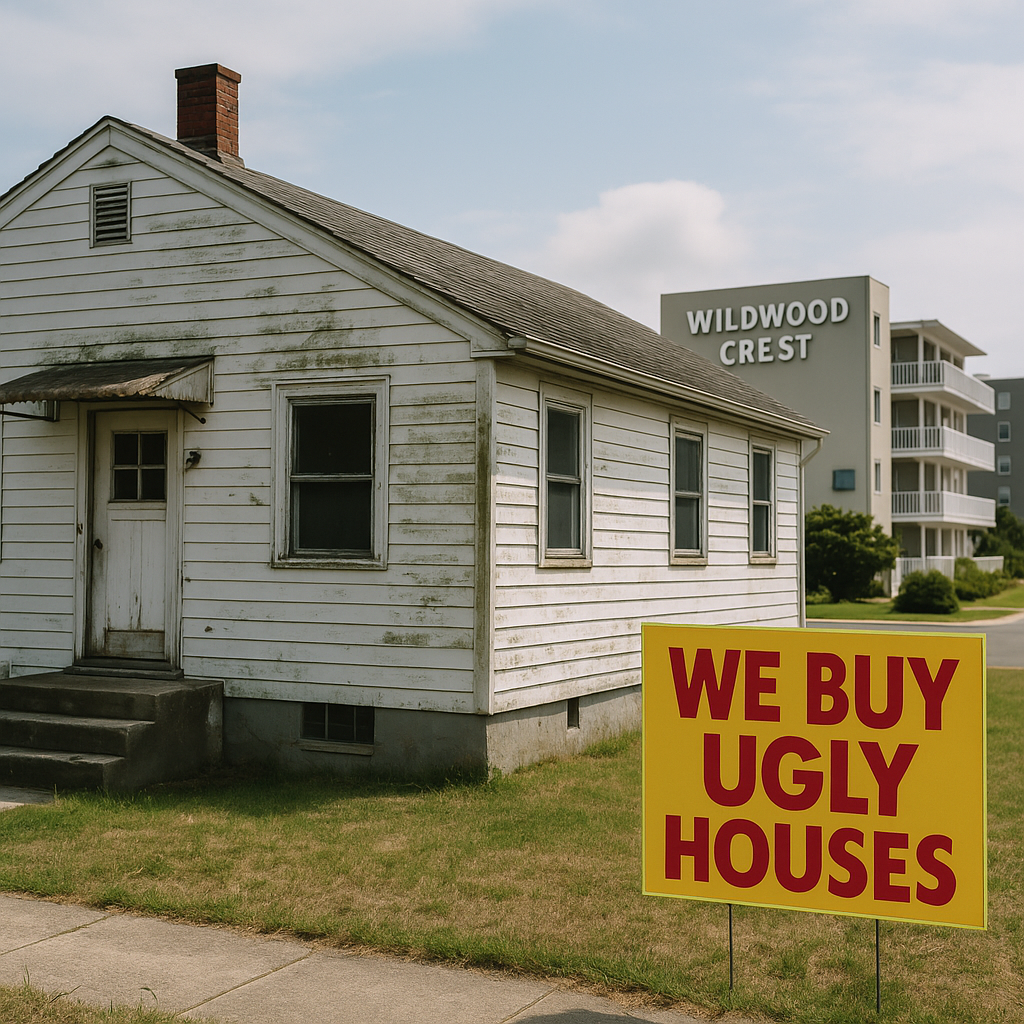
An outdated, damaged, or repair-heavy house in Wildwood Crest, New Jersey may prompt owners to consider different sale routes. The useful comparison is not a marketing slogan; it is the written offer and the questions it leaves unanswered. Published by Ultimate Land Deals, this guide is general information for property owners, not an offer to buy a Wildwood Crest house.
Start with your selling priorities
Before comparing offers, identify what matters most to you:
- selling in the property's current condition;
- setting a target closing date;
- limiting the work you manage before sale;
- seeking broader buyer exposure; or
- resolving estate, title, tax, or property-condition questions first.
A direct buyer, an agent listing, and an owner-led sale can each involve different tradeoffs. Regardless of the route, review the contract, confirm the property being sold, and obtain transaction-specific advice when needed.
Compare each written offer on the same terms
Ask each prospective buyer to provide written terms, then compare the following items.
1. Who will sign and take title?
Request the full legal name of the buyer entity or individual and the name and authority of the person signing. A website name or postcard brand is not a substitute for the contracting party.
If someone proposes to act as a real-estate broker or salesperson, ask about the proposed relationship. The New Jersey Real Estate Commission administers and enforces state real-estate licensing laws for brokers and salespersons. See the Commission's consumer information.
2. What property does the contract cover?
Confirm the street address and the parcel information used in the agreement, particularly if there may be associated land, parking, or separately assessed parcels. The Borough Tax Assessor provides a tax map and describes its role in listing and valuing properties. Use the Borough's Tax Assessor resources to begin identifying the parcel.
3. What is the expected seller-side result?
The stated purchase price is not the entire comparison. Read how the agreement addresses:
- deposit amount, holder, and refund terms;
- taxes, liens, municipal charges, and payoff amounts;
- title, settlement, recording, and attorney costs; and
- credits or price changes requested during the transaction.
Ask for an explanation of expected seller-side deductions, then rely on the signed agreement and closing documents rather than an informal estimate.
4. What contingencies remain?
Read for inspection, title, attorney-review, feasibility, partner-approval, financing, or other cancellation provisions. Ask the buyer to identify the final date for each contingency and state what happens to the deposit if the buyer does not close.
5. Can the contract be assigned?
If the agreement permits assignment, ask whether it is unrestricted, whether notice is required, and whether the original buyer remains responsible if an assignee does not close. If you want the named buyer to close, address that in writing before signing.
6. Who handles closing, and when?
The agreement should state a planned closing date and identify, or describe how the parties will select, the closing or title professional. Confirm document-signing, identification, notarization, and funds-delivery instructions with the professional handling the specific transaction.
Separate sale terms from proposed repair work
If a buyer suggests repairs, renovation, demolition, or other work before closing, treat that work as a separate decision from the proposed sale. Wildwood Crest states that construction permits are required for construction, enlargement, repair, alteration, renovation, demolition, reconstruction, changes in use, and equipment installation; it also notes that other approvals may apply. Review the Borough Construction Office guidance.
If you hire someone for home-improvement work before closing, ask whether the business is required to be registered with the New Jersey Division of Consumer Affairs and ask for information supporting its status. Registration and licensing rules include exceptions, so do not assume every business or type of work is covered. New Jersey law defines home improvement broadly to include work such as remodeling, alteration, renovation, repair, restoration, moving, and demolition of residential property, while establishing a licensing framework with specified exceptions. See P.L. 2023, c. 237. A state insurance notice also describes registration requirements for home-improvement contractors. See the Department of Banking and Insurance notice.
Treat contractor questions separately from Borough permit questions. Ask the Construction Office which approvals apply to the proposed work.
Do not assume a future project is approved
A buyer may discuss demolition, enlargement, or redevelopment. That interest does not identify what is allowed for a particular parcel. Wildwood Crest's Planning Board handles functions including master-plan work, subdivision and site-plan review, variance relief, the official map, and the zoning ordinance. See the Borough Planning and Zoning page.
Before describing or pricing a property around a proposed future use, ask the Borough about the exact parcel and proposed work.
A practical offer comparison
A higher price may come with longer contingencies, broad assignment rights, an undefined deposit, or an open-ended closing date. A lower price may have clearer buyer identification, deposit terms, due-diligence deadlines, and closing responsibilities. Neither format is automatically better.
Compare the written terms, request revisions in writing where needed, and consider review by a New Jersey real-estate attorney or other qualified transaction professional before signing—especially when an estate, trust, lien, tenancy, permit history, or assignment is involved.
Sources
- Borough of Wildwood Crest Tax Assessor
- Borough of Wildwood Crest Construction Office
- Borough of Wildwood Crest Planning and Zoning
- New Jersey Real Estate Commission consumer information
- New Jersey Legislature: P.L. 2023, c. 237
- New Jersey Department of Banking and Insurance notice on commercial-liability coverage