
Long Island Teardown Homes: Verify Buyers and Property Records
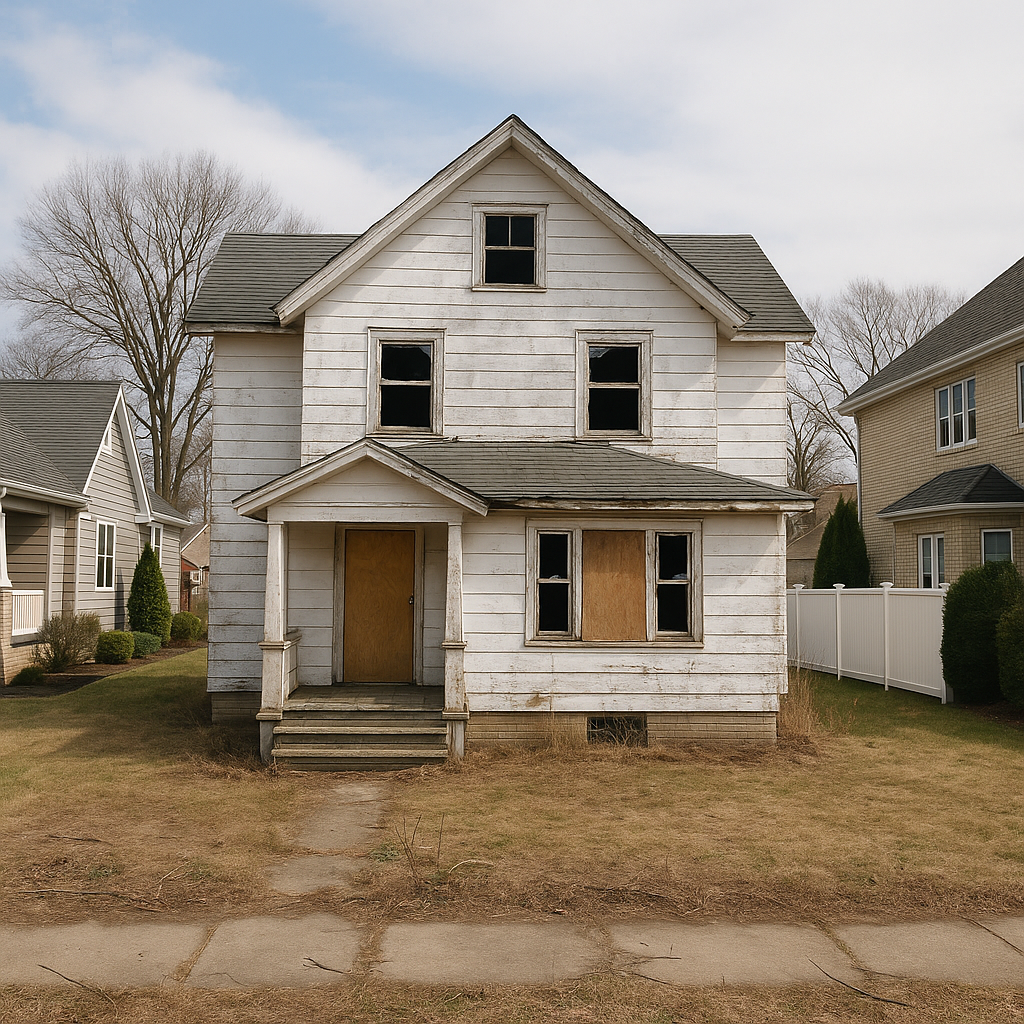
If you are asking who buys teardown homes on Long Island, begin with the specific buyer and the specific parcel—not assumptions about the wider market. Ultimate Land Deals publishes this guide to help property owners organize questions before discussing an off-market sale.
A prospective buyer may be interested in the existing house, the land, or a future project. Ask the buyer to explain the intended evaluation and verify the parcel records and local jurisdiction before pricing the property as a teardown.
Identify the municipality before describing redevelopment potential
“Long Island” is a geographic description, not one zoning or building jurisdiction. New York assigns administration and enforcement of the Uniform Code to local governments—cities, towns, and villages—and local governments may regulate zoning and related matters within their authority. The New York Department of State explains this local-authority framework.
Before presenting a property as a teardown opportunity, identify:
- the city, town, and any village governing the parcel;
- the zoning district and current property information available from the local office;
- the parcel and tax-map information being used;
- known permits, violations, or certificates relating to the existing house;
- the local offices to contact about demolition, construction, zoning, or planning questions; and
- any site-specific issues raised in property records or municipal correspondence.
New York’s current code notice states that regulated parties submitting building-permit applications must comply with the 2025 Uniform Code beginning December 31, 2025. See the Department of State’s notice.
Do not describe a parcel as “buildable,” “subdividable,” “permit ready,” or “demolition approved” unless the relevant authority has confirmed the particular point in writing.
Use county resources to organize the property file
Suffolk County properties
The Suffolk County Clerk’s Online Records provides access to land-record information recorded and imaged from 1987 to the present. Its search options include address, Property Tax Map ID, Last Name/Corporation, Liber and Page, Index Number, UCC Number, and Business Name.
For nearby transactions or a prospective buyer, keep a simple worksheet with:
- Property address and relevant date.
- Search terms used, such as an address, tax-map ID, or business name.
- The recorded document reference or available record detail.
- Municipal contacts and any publicly available local application or approval information you choose to review.
Nassau County properties
Nassau County’s e-Services page links to the Land Records Viewer, which provides assessment information including roll data, district information, tax maps, property photographs, past taxes, tax rates, exemptions, and comparable sales.
Use those assessment resources to identify parcel information and comparable-sale information. For questions about a prospective buyer, ask the buyer directly what property information and local review they are relying on.
Prepare information without overstating the opportunity
Provide available records as records, rather than as conclusions about what can be built or approved. A useful seller file may include:
- current parcel or tax-map information;
- available deed and title-related documents;
- a survey, if available, with its date identified;
- municipal zoning contacts and available property information;
- known information about permits, violations, vacancy, and utilities;
- exterior and access photographs; and
- correspondence concerning site or property issues.
This approach gives a prospective buyer information to evaluate while leaving site-specific approval questions to the appropriate local offices.
Questions to ask a prospective buyer
Ask for clear written answers before accepting an offer:
- Which municipality and zoning district are you using in your evaluation?
- Are you evaluating the existing house, a replacement home, or another possible use?
- What records do you need before the inspection or due-diligence period ends?
- Is the offer contingent on title, survey, financing, municipal review, or another condition?
- Can the contract be assigned, and what does the contract say about an assignment?
- What happens to the deposit if the buyer does not proceed?
- Who will handle closing, and what costs does the contract allocate to each party?
The important point is not to predict every buyer’s plan. It is to obtain a contract and supporting questions that clearly describe the buyer’s process for this property.
FAQs
Can county records help me research a prospective buyer?
They can help you organize property and land-record searches. Suffolk County’s Clerk search tools include address, Property Tax Map ID, and Last Name/Corporation searches. Nassau County’s Land Records Viewer provides assessment information, tax maps, photographs, taxes, exemptions, and comparable sales. Ask the prospective buyer directly about its interest in your property and the information it needs.
Does calling a house a teardown establish what can happen next?
No description replaces parcel-specific verification with the appropriate local offices. Confirm the governing municipality and ask local staff which zoning, code, demolition, construction, or planning questions apply to the property.
What should I compare between offers?
Compare the written purchase price, deposit, due-diligence period, contingencies, closing date, cost allocation, and any assignment language. Also compare the information each buyer requests and the local questions each buyer says it needs to resolve.
Sources
- New York Department of State: Legal Memorandum LG07, The Uniform Code and Local Authority
- New York Department of State: Notice of Adoption
- Suffolk County Clerk: Online Records
- Nassau County: e-Services
The strongest presentation is a factual one: identify the correct parcel, identify the governing municipality, provide the records you have, and ask each prospective buyer to state its evaluation and contract terms clearly.