
Sell Vacant Land With a Neighbor Encroachment
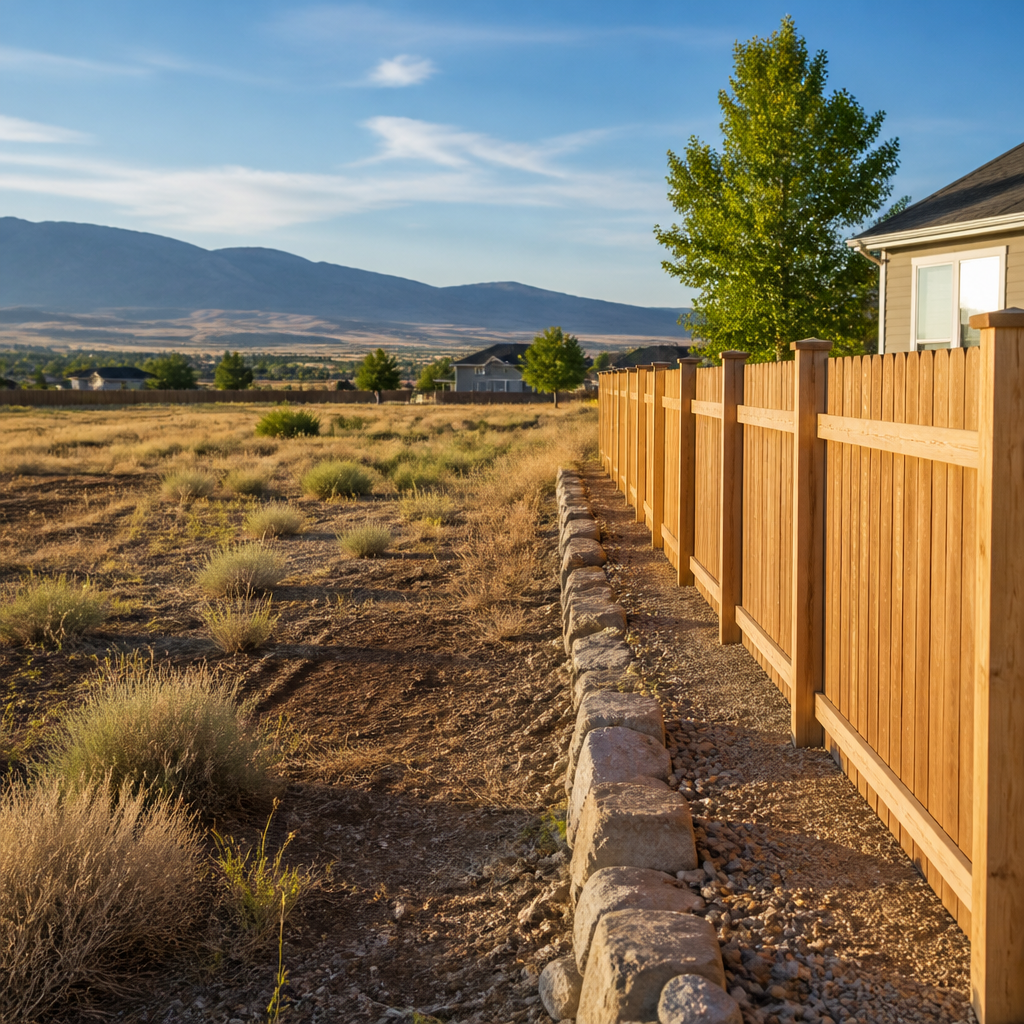
How to Prepare to Sell Vacant Land With a Neighbor Encroachment
If you are preparing to sell vacant land with a neighbor encroachment, start by separating what you know from what still needs review. Identify the feature, gather the documents you have, describe the concern accurately to prospective buyers, and make any requested resolution part of the written agreement.
This guide is published by Ultimate Land Deals for landowners considering a sale.
Start with the physical feature and the available records
A possible encroachment may involve a fence, driveway, gate, shed, landscaping, retaining feature, or part of a structure near the parcel line. Build a file before discussing a price or a solution.
Include:
- Your deed and legal description.
- Any survey, plat, sketch, or other boundary-related document you possess.
- Dated photographs of the feature.
- Written communications with the neighbor about the feature.
- A factual timeline of when you noticed it and any changes you know about.
- Any recorded document identified in title materials that may relate to the affected area.
Avoid presenting an estimate from an aerial image, parcel map, or conversation as a confirmed boundary location.
Direct questions to the appropriate professional
Ask a survey professional what work or existing information would be needed to identify the feature's relationship to the parcel line. Provide the legal description and prior survey materials you have.
Ask the title or closing professional which recorded easements, agreements, exceptions, or other documents appear in the title materials and whether any appears to concern the affected area.
If the neighbor asserts ownership, asks you to sign a boundary-related document, refuses access, or threatens litigation, seek advice from a real-estate attorney licensed for the property's jurisdiction before making commitments to a buyer.
Do not borrow adverse-possession rules from another state
The applicable law depends on the property's location and facts. For example, Florida Statutes § 95.13 says that a person establishing legal title is presumed to have possessed the property unless another person possessed it adversely for seven years before the action begins. Florida Statutes § 95.13
Arizona's statute uses different language: it provides that an action to recover land from a person having peaceable and adverse possession must be commenced within ten years after the cause of action accrues, subject to the statute's terms. Arizona Revised Statutes § 12-526
Those examples do not resolve a particular boundary concern. They are a reason to obtain advice for the state where the land is located rather than applying a timeline from another jurisdiction.
Describe the known concern clearly
Use a neutral description in marketing and sale communications. For example:
Seller is aware of a fence near the [north/east/south/west] side of the parcel. Seller has not represented that the fence follows the boundary line. Available documents include [identify documents]. Buyer may conduct its own due diligence during the contract period.
Do not promise a particular title result, permit outcome, financing result, or future use. If a buyer requests a survey, title review, removal, relocation, or a written arrangement with the neighbor, identify the requested result and each party's responsibility in writing.
Compare the proposed terms, not just the price
Whether you speak with a direct buyer, list with an agent, or sell independently, ask for the proposed terms in writing. Review:
- The buyer's inspection and due-diligence period.
- Any survey or title-review condition.
- The requested treatment of the feature.
- Responsibility for professional review, documents, and work on the ground.
- The deadline for any condition.
- What happens if the concern remains unresolved.
- Whether the buyer may assign the contract.
Do not agree to "fix it before closing" until the feature, the requested outcome, and the necessary cooperation are clear.
Before signing an offer
Ask whether the documents and proposed contract let the buyer understand the identified concern without relying on assumptions. If not, pause to gather clearer information, revise the description, or obtain appropriate advice before committing to a closing condition.
FAQs
What should I give a prospective buyer?
Provide the documents you have, such as the deed, legal description, prior survey materials, photographs, relevant written communications, and any title materials that identify a recorded item related to the affected area.
Should the contract address the possible encroachment?
If the buyer requests due diligence, a survey, title review, removal, relocation, or another result, state the condition, responsibility, deadline, and consequence of noncompletion in the written agreement.
Does the age of a fence answer the legal question?
Do not use the age of a feature as a substitute for jurisdiction-specific legal review. The Florida and Arizona statutes above use different provisions and time periods, and neither replaces review of the property's facts.