
Sell Unwanted Lot in Port Saint Lucie: Seller’s Guide
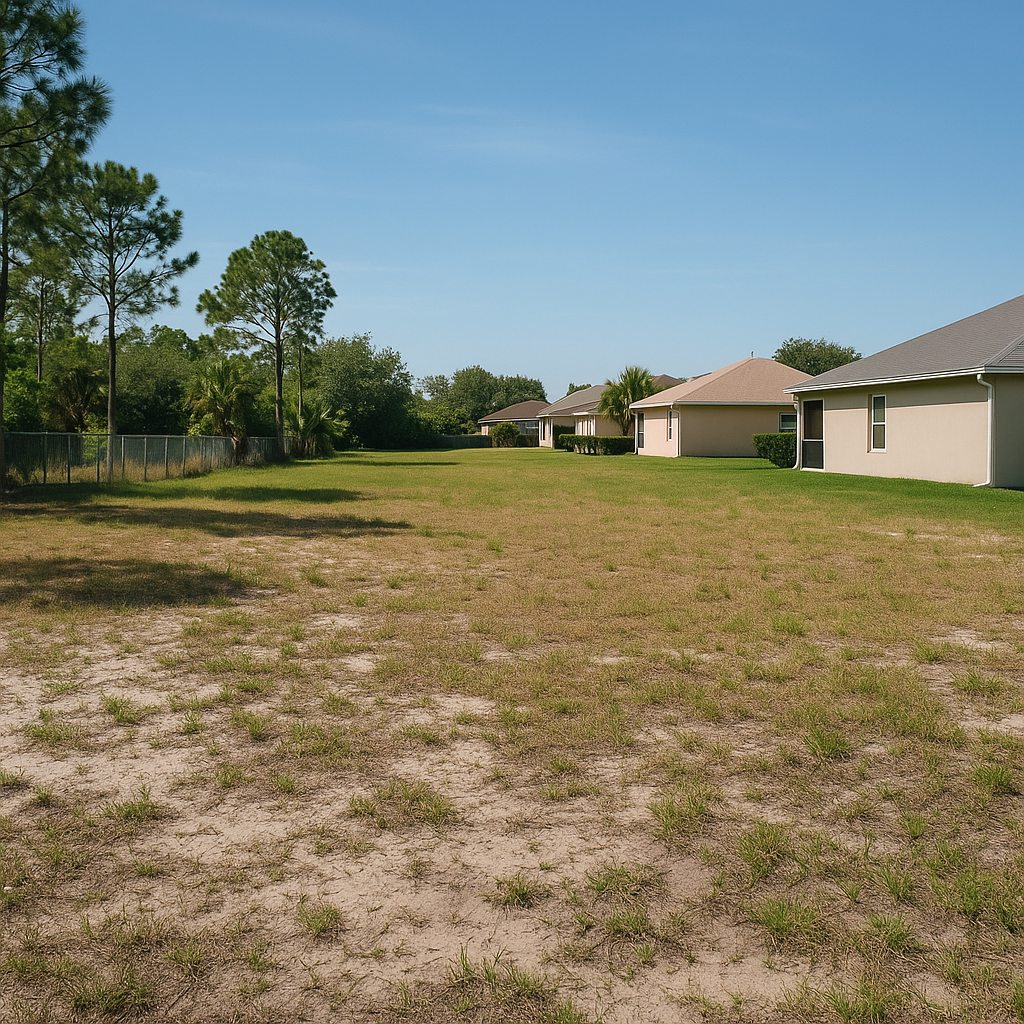
If you want to sell an unwanted lot in Port Saint Lucie, do not begin by picking a price from nearby listings. Begin by identifying the next owner’s likely obstacle.
Two lots on the same street can command very different offers. One may be a straightforward homesite with confirmed utility options and manageable site work. The other may carry utility assessments, drainage concerns, protected-species questions, unusual dimensions, or a costly clearing requirement. A buyer is not purchasing acreage alone; they are purchasing the cost, time, and uncertainty between the vacant parcel and its intended use.
For an absentee owner, this is good news as much as it is a caution. You do not need to become a land-development expert before selling. You do need enough reliable information to decide whether your lot is suited to a retail listing, a direct buyer, or a neighbor who may value it differently.
First, separate a homesite from a speculative lot
Port Saint Lucie contains a large supply of platted residential lots, but “residential” on a property record is not the same as “ready to build.” A retail buyer or builder will usually ask questions that fall into four practical categories:
- Can a home be permitted under current rules? This includes zoning, setbacks, dimensions, and any applicable subdivision requirements.
- How will the property be served? Water and sewer availability, septic feasibility where relevant, and electric service all affect the land basis.
- Can the site physically support construction? Flood conditions, drainage, wetlands, fill, clearing, and soil conditions can change the budget.
- Are there financial obligations attached to the parcel? Outstanding taxes, municipal utility assessments, code matters, liens, or title issues can affect a closing.
A lot does not need a perfect answer in every category to be saleable. It does mean the buyer type and price should reflect the unanswered questions.
For example, a standard interior parcel with public services nearby and no apparent physical constraints may appeal to a local builder or future homeowner. An oddly shaped parcel, a lot with uncertain buildability, or one with substantial site costs may have a narrower retail audience—but could still be a reasonable purchase for an investor, a specialist buyer, or an adjoining owner.
The Port Saint Lucie item sellers most often need to clarify: utilities and assessments
Do not describe a lot as having “city water and sewer” merely because those services exist elsewhere in Port Saint Lucie. The relevant question is more precise: are services available to this particular parcel, and what connection, extension, or assessment costs may apply?
Before you advertise the property or accept an offer, obtain the parcel-specific information you can from the appropriate City of Port St. Lucie department or utility records. Ask about:
- Current water and wastewater availability at or near the parcel.
- Whether utility extension is required.
- Any existing, pending, or unpaid utility assessments.
- Connection fees or other charges that a new owner may face.
- Whether the property is in an area served by another provider or subject to a different arrangement.
This is not busywork. A buyer pricing a future home will treat a lot with paid assessments and a clear service path differently from one with a large balance or uncertain extension cost. If you do not know the answer, say so rather than guessing. A transparent unknown is easier to negotiate than an inaccurate claim found during due diligence.
Make a one-page seller file before you seek offers
An unwanted lot can be sold remotely, but a disorganized file makes every buyer wonder what else may be missing. Assemble a compact property packet that lets a buyer conduct an initial review without waiting days for basic facts.
Include the following:
- Parcel ID, legal description, and street address if one is assigned
- A current county tax record and the latest tax bill
- A copy of your deed, if available
- A map or aerial image marking the approximate parcel
- Any prior survey, environmental report, soil report, permit, or utility correspondence
- Information about association dues, if the lot is within an association
- Photos you have, even if they are older; date them and identify their source
- A straightforward note describing what you know and do not know
For an owner living out of state, the last item matters. You may never have visited the land. That is fine. Do not imply personal knowledge of road conditions, clearing, neighboring uses, or utilities that you do not have. A clean statement such as “Seller has not visited the parcel and buyer should verify site conditions” is more credible than a description based on a map pin.
Decide which selling route fits the lot—and your deadline
The highest possible asking price and the simplest sale are usually not the same thing. Your best route depends on the lot’s condition, the amount of proof you can provide, and how much time you want to invest.
A retail land listing can fit a straightforward, documented parcel
A brokered listing can make sense when the lot has a clear residential use, useful documentation, and enough anticipated buyer demand to justify marketing time. This approach may bring exposure to end users, builders, and investors.
Its tradeoff is uncertainty. Land listings can sit longer than house listings, buyers may request extended due diligence, and a contract may depend on financing, site reviews, permits, or a future buyer’s ability to build. You should also account for commissions and potential carrying costs while the property is marketed.
A direct cash sale can fit an owner who values certainty and simplicity
A direct buyer may be a better fit if you inherited the lot, live far away, want to stop paying taxes, cannot or do not want to coordinate site work, or simply prefer a defined path to closing. A credible land buyer should explain the offer, allow appropriate title work, and identify what they need from you.
The tradeoff is price. A direct buyer has to account for resale risk, due diligence, holding costs, and the cost of solving property-specific issues. A cash offer should be evaluated against its net certainty: price, closing costs, expected closing date, contingencies, and whether the buyer can actually perform.
Ultimate Land Deals evaluates vacant parcels for direct purchase and, where appropriate, can coordinate a digital, no-agent transaction from offer through title and closing. That route is most relevant when a clean, remote sale matters more than testing the retail market.
A neighbor can be the right buyer for a difficult parcel
Do not overlook adjacent owners. A narrow, irregular, nonconforming, or constrained lot may be worth more to a neighbor than to a standalone homesite buyer. It can provide privacy, room for a garage or pool subject to local rules, additional yard area, or a way to control nearby use.
A neighbor sale is not automatically the best deal; some neighbors know a parcel is hard to sell and may offer accordingly. Still, it is often worth a targeted inquiry before spending heavily on marketing. Provide the parcel number and location, not a sales pitch built on unverified claims.
Do not pay for reports that will not change your selling decision
Sellers sometimes spend money trying to remove every question before putting a lot on the market. That can be useful for a high-value homesite, but it is not always rational for an unwanted parcel.
A survey, wetland delineation, geotechnical work, environmental review, or clearing estimate may help when it will materially broaden the buyer pool or support a substantially higher price. It may not make sense when your priority is simply exiting a low-value lot and a capable buyer can complete diligence themselves.
Use this test: Will this report likely change the selling route, the buyer’s confidence, or the expected net proceeds by more than it costs? If not, disclose the uncertainty and price accordingly.
For instance, if an aerial review or public mapping suggests possible drainage or wetland concerns, you do not need to commission a full study just to solicit offers. But you should not market the property as unrestricted or build-ready without verification. Let qualified buyers decide whether they need a formal delineation.
Compare offers on the same sheet
When offers arrive, write down more than the headline price. Compare each offer using the same fields:
| Offer term | Why it matters |
|---|---|
| Purchase price | The starting point, not the whole result |
| Earnest money | Indicates commitment, subject to contract terms |
| Due-diligence period | Longer periods can mean more time off market |
| Inspection or feasibility contingencies | Identify the buyer’s exit options |
| Proof of funds or financing condition | Helps assess ability to close |
| Closing date | Important if taxes, assessments, or personal timing matter |
| Seller-paid costs | Changes your actual proceeds |
| Assignment rights | Clarify whether the buyer may transfer the contract |
An offer slightly below another may be better if it has a short, defined diligence period, no financing contingency, and a title company prepared to close remotely. Conversely, a high offer with broad cancellation rights may be little more than an option on your land.
A practical path to a sale from out of state
If the goal is to dispose of the parcel without repeatedly managing the process, take these steps in order:
- Confirm the correct parcel and ownership name in county records.
- Gather the one-page seller file and request basic utility/assessment information.
- Decide whether you want market exposure, a direct cash sale, or both.
- Get offers that state the price, closing timeline, contingencies, and who pays which closing costs.
- Let a reputable title company review title, payoff needs, and signing requirements before treating a deal as final.
- Review closing documents carefully and retain copies of the recorded deed and settlement statement.
Selling an unwanted Port Saint Lucie lot does not require you to solve every site question yourself. It does require an honest picture of the parcel’s likely costs and a selling method that matches your tolerance for time, uncertainty, and hands-on work. The more clearly you distinguish a ready homesite from a lot that needs further work, the more efficiently you can reach the right buyer and close without unnecessary surprises.
Frequently asked questions
Can I sell a Port Saint Lucie lot without visiting it?
Yes. Many vacant-land closings are handled remotely. You will still need to verify ownership, provide identification and sale documents, and work through title requirements. A title company can often arrange remote or mobile notarization where permitted.
Do I need a survey before selling?
Not always. A buyer or title company may request one, especially if boundaries, access, or encroachments are unclear. If you do not have a current survey, disclose that fact rather than assuming existing map lines establish boundaries.
Should I clear the lot before selling?
Usually only if a buyer or agent can explain why the improvement will produce a meaningful return. Clearing can be expensive and may not resolve drainage, wetland, utility, or permit questions. In many cases, selling the parcel as-is is the more practical choice.
Can unpaid taxes or utility assessments stop a sale?
They can affect proceeds and must be addressed at closing. A title company will typically identify taxes, recorded liens, and other title-related items. Ask early about known assessments so they are reflected in your decision and any offer negotiation.