
Sell Punta Gorda Land From Out of State: Remote Closing Guide
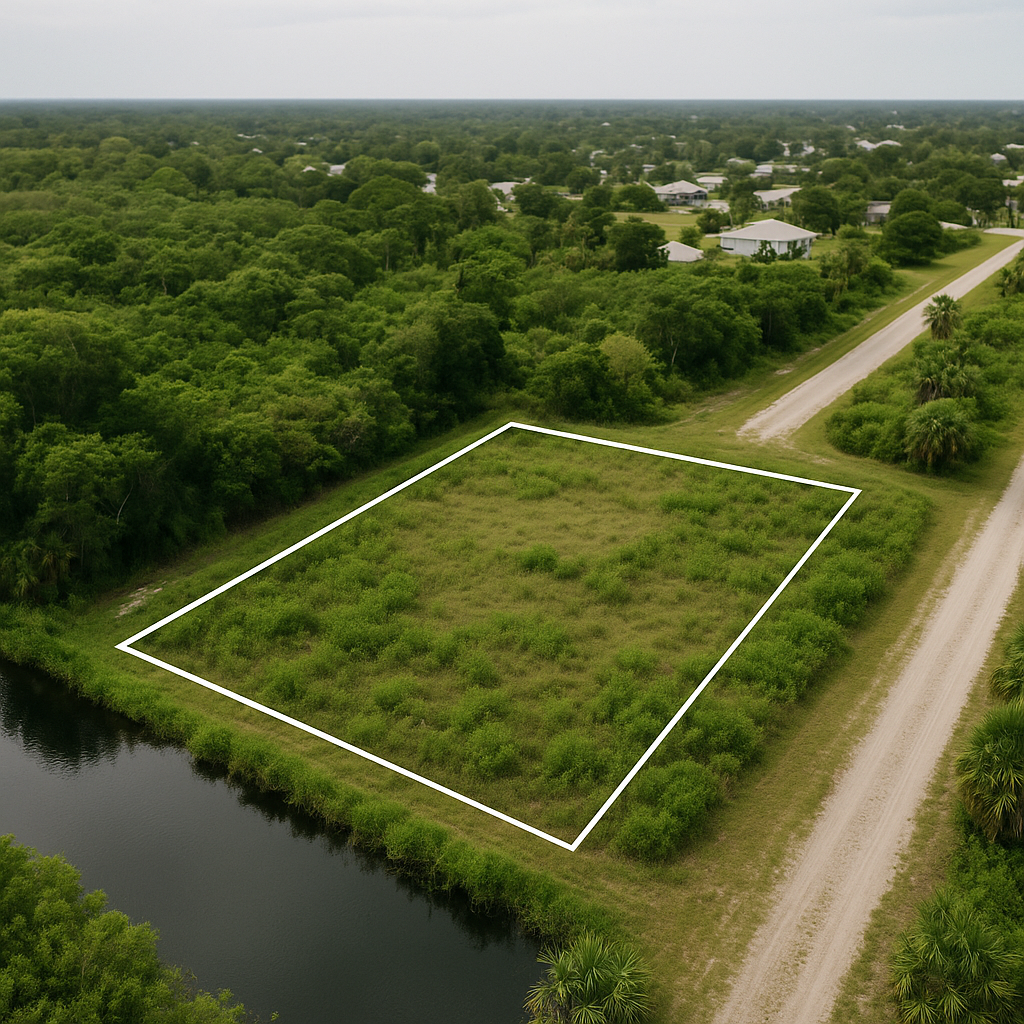
You can sell Punta Gorda-area vacant land while living elsewhere, but a remote signature is only one part of the transaction. Before accepting an offer, confirm the exact parcel, understand the written terms, and obtain the closing professional’s instructions for notarization, identity verification, and document delivery in writing.
This guide from Ultimate Land Deals is intended to help remote owners organize those questions. Ultimate Land Deals describes a digital process for vacant-land sellers in the Port Charlotte area; sellers should still review the specific offer and closing terms for their own parcel in writing. Source: Ultimate Land Deals’ remote-sale process overview
Selling Remotely Has Two Separate Tracks
Absentee owners often focus first on the practical question: “Can I sign from where I live?” Florida law provides ways for an instrument concerning Florida real property to be acknowledged outside the state before authorized officials, including an out-of-state notary public in the circumstances described by the statute. The closing professional should provide the required signing, notarization, and delivery instructions for the transaction. Source: Florida Statutes § 695.03
The second track is the land itself. A buyer may need information about title, access, flood conditions, utilities, or land-use requirements before closing. Address those questions before committing to an agreement.
Step 1: Build a Seller File Before Discussing a “Punta Gorda Lot”
“Punta Gorda” is a useful market description, but it is not a complete legal description of a property. Start with a one-page seller file containing:
- Parcel identification number and legal description
- Names of the owners exactly as shown on the recorded deed
- Current mailing address, phone number, and email
- A copy of the deed, if available
- Current tax bill and notices concerning assessments
- Any survey, prior title policy, utility correspondence, or access records
- Contact information for any lender, estate representative, trustee, or entity manager involved
Use the parcel ID and legal description when speaking with prospective buyers and closing professionals. Ask the applicable local authority to confirm which office handles parcel-specific land-use or development questions.
This file does not establish buildability or clear title. It gives a buyer and closing professional information to identify the parcel and determine what additional review is needed.
Step 2: Do Not Make Promises the Parcel Has Not Earned
Avoid repeating unsupported listing descriptions such as “buildable,” “utilities available,” or “ready for a home.” Instead, separate documented facts from questions a buyer should verify.
Consider these questions:
- Which local authority should confirm land-use and development requirements for this parcel?
- What documentation supports the current use or zoning description, if any?
- Is there recorded or otherwise documented access information?
- Has a utility provider supplied current information about service, connection, or extension requirements?
- Are there flood, drainage, title, assessment, or restriction questions that need review?
A responsible description can identify unanswered questions. For example: “Owner has not obtained a current utility availability letter; buyer should verify service” is more accurate than stating that utilities are available without supporting documentation.
Step 3: Compare Sale Routes by Remote Workload—Not Just Price
The appropriate route depends on the parcel, the seller’s willingness to manage a transaction from afar, and expected net proceeds.
| Route | Questions for the seller |
|---|---|
| Direct buyer | What is the price, deposit, due-diligence period, closing date, assignment language, and allocation of closing costs? |
| Land agent | What are the listing term, commission, marketing plan, buyer contingencies, and remote-signing process? |
| Independent sale | Who will manage advertising, buyer communications, contract terms, and closing coordination? |
Ask for the practical sequence in writing: purchase price, earnest money, due-diligence period, closing date, closing-cost allocation, and conditions that permit cancellation.
If an offer permits assignment, read that clause carefully. Ask whether the named buyer may transfer contract rights, whether the seller’s obligations change, and what deadline applies for closing.
Step 4: Ask for a Remote-Closing Plan Before Signing
Ask the closing professional:
- Will the deed or other documents require wet-ink originals?
- What notarial certificate is required where I live?
- Is a mobile notary an available option, and who pays for it?
- How will identity be verified?
- What title, payoff, entity, or probate documents are needed from me?
- Where and by what tracked method should original documents be sent?
- How will wire instructions be authenticated?
Independently verify wire instructions with a known phone number for the closing professional before sending funds or confirming payment instructions. Review the settlement statement before authorizing closing and ask about unfamiliar charges.
Step 5: Account for Taxes and Seller Status Accurately
Florida documentary stamp tax generally applies to deeds transferring an interest in Florida real property, including deeds signed and delivered outside Florida. In counties other than Miami-Dade, the Florida Department of Revenue lists the rate as $0.70 per $100, or portion of $100, of consideration. The department also states that all parties to the document are liable for the tax, regardless of which party agrees to pay it. Review the contract and settlement statement for the transaction’s cost allocation. Source: Florida Department of Revenue documentary stamp tax guidance
Living in another U.S. state does not by itself determine whether FIRPTA withholding applies. The IRS states that a disposition of a U.S. real property interest by a foreign person is subject to FIRPTA income-tax withholding, and that the buyer generally must determine whether the seller is a foreign person. Sellers with questions about their U.S. tax status or withholding should raise them early with the closing professional and a qualified tax adviser. Source: IRS FIRPTA withholding guidance
A Practical Decision Point Before Accepting an Offer
Accept a remote-sale offer only after you can answer these questions:
- Is the offer tied to the correct parcel ID and legal description?
- Have I described only facts I can document and identified open property questions?
- Do I understand the buyer’s diligence, assignment, and cancellation rights?
- Do I have written instructions for notarization, document delivery, closing costs, and proceeds delivery?
If any answer is unclear, request clarification before signing.
FAQs
Do I need to travel to Florida to sign the deed?
Not necessarily. Florida law provides for acknowledgments outside Florida in the circumstances described in Florida Statutes § 695.03. Obtain the exact signing and delivery instructions from the closing professional handling your transaction. Source: Florida Statutes § 695.03
Is a Punta Gorda mailing address enough to determine land-use requirements?
Use the parcel ID and legal description, then ask the applicable local authority for parcel-specific confirmation of the office that handles land-use or development questions.
Who pays documentary stamp tax on a land sale?
The purchase contract can allocate the expense. Florida’s guidance states that all parties to the document are liable for the tax regardless of which party agrees to pay it, so review the contract and settlement statement. Source: Florida Department of Revenue documentary stamp tax guidance
Can Ultimate Land Deals handle a remote sale?
Ultimate Land Deals describes a digital process for selling vacant land remotely in the Port Charlotte area. Confirm directly with the company whether it is interested in the parcel and obtain the current offer and closing terms in writing. Source: Ultimate Land Deals’ remote-sale process overview
Sources
- Florida Statutes § 695.03
- Florida Department of Revenue: Documentary Stamp Tax
- Internal Revenue Service: FIRPTA Withholding
- Ultimate Land Deals: Digital Process to Sell Vacant Land in Port Charlotte
This article is general information, not legal, tax, title, or valuation advice. Review parcel-specific questions with the applicable local authority, closing professional, and qualified adviser.