
Selling a Port St. Lucie Lot From Out of State
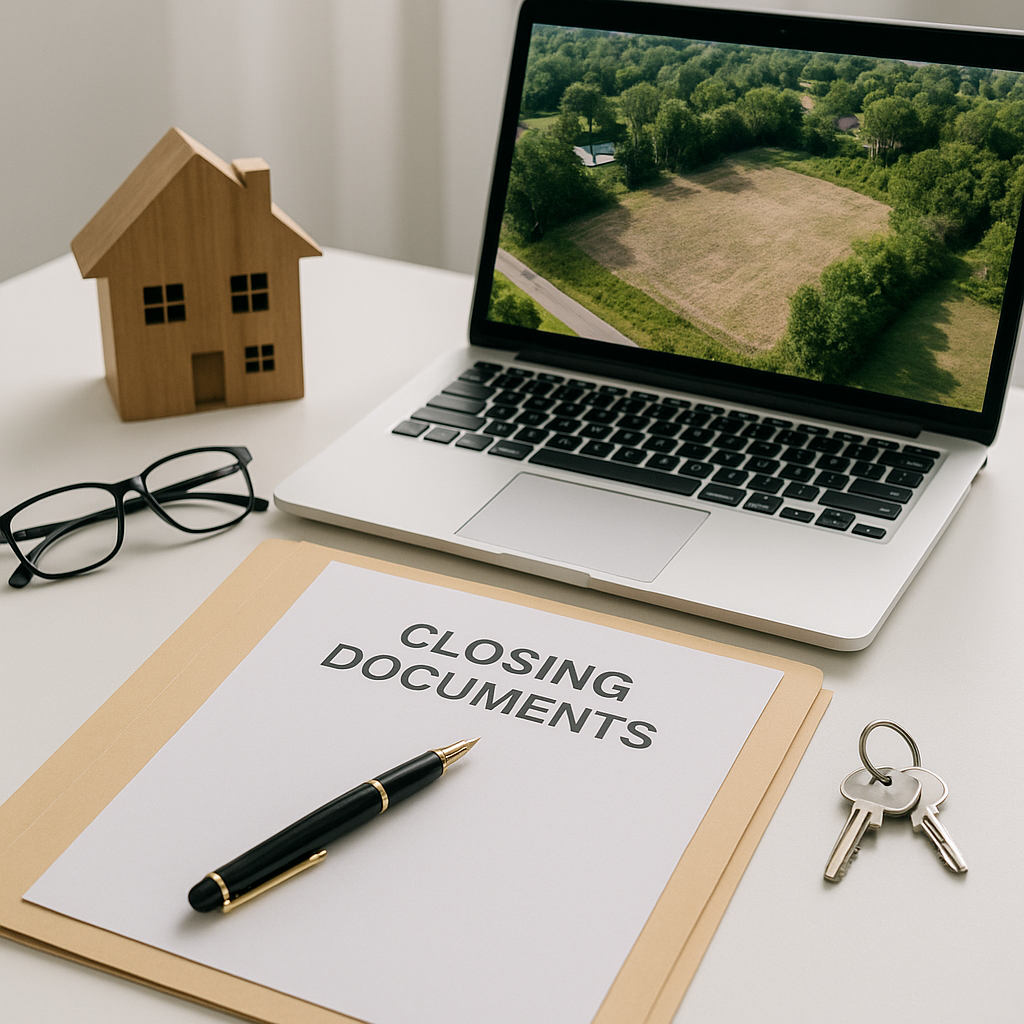
Selling a Port St. Lucie lot from another state begins with accurate ownership information and clear closing instructions. Before signing an offer, provide the party handling the closing with the parcel identification, your deed, and documents that may affect who has authority to sign.
The goal is to identify signing, title, payoff, and recording questions early—before a deed is prepared or a closing date is set.
Start with the parcel and ownership file
Gather the information a closing professional will need to evaluate the transaction:
- Parcel identification: parcel ID, legal description, property location, and any available tax notice.
- Ownership documents: the deed you received and any documents involving a trust, estate, divorce, business entity, power of attorney, or corrective deed.
- Known obligations: information about any mortgage, judgment, association balance, assessment, notice, or other payoff issue.
- Property information: documents or correspondence you have concerning clearing, utilities, permits, code matters, or prior work on the lot.
Ask the closing professional to confirm the correct legal description, the owners who must sign, and the local jurisdiction and records that should be checked for this specific parcel. Do not rely solely on an address, an old tax bill, or a marketing map when answering buyer questions about the property.
Confirm the signing method before the deed is drafted
Florida law provides that a conveyance of a freehold estate or an interest in land for more than one year must be in writing and signed by the conveying party in the presence of two subscribing witnesses. The statute also permits the witness requirement for an electronic signature to be satisfied through qualifying audio-video communication technology. Florida Statutes § 689.01
For an out-of-state seller, ask the closing professional how the deed will be executed, witnessed, notarized, delivered, and recorded. Common questions include:
- Will the transaction use paper documents or an electronic process?
- Who will arrange the witnesses?
- Does the closer require original signed documents?
- What delivery method and timing are required?
- Who will review the deed before it is submitted for recording?
Florida law authorizes an online notary public who is physically located in Florida to perform an online notarization even when the principal or witnesses are outside Florida, subject to the applicable statutory requirements. Florida Statutes § 117.209
That authority does not establish that every closing provider uses online notarization or that every signer can complete a particular provider's process. Confirm the proposed procedure before signing any deed documents. Do not prepare a generic deed independently: the grantee information, legal description, signature blocks, and closing instructions should be reviewed for the actual transaction.
Compare offers using the written terms
An offer price alone does not describe the full transaction. Compare written offers by asking:
- Who is the buyer, and does the agreement allow assignment?
- What title or due-diligence contingencies apply?
- Which party is responsible for closing charges, recording expenses, taxes, liens, and payoffs?
- What happens if a title issue or signing issue delays closing?
- What documents must the seller provide before closing?
Read any statement that a buyer will cover closing costs together with the purchase agreement and closing instructions. Ask for a closing statement or estimate when one is available, and review it before authorizing the final deed.
Remote-closing checklist
Before signing, confirm that:
- The contract identifies the correct seller and buyer.
- The legal description is consistent across the contract, title work, and deed.
- Every required owner or authorized representative can sign.
- The closing professional has been given relevant ownership and payoff documents.
- You understand the proposed signing method and delivery instructions.
- You have reviewed the final closing statement and any payoff instructions.
- You independently verify wire instructions with a known contact method for the closing provider before sending funds.
FAQs
Do I need to travel to Florida to sell my lot?
Ask the closing professional which signing process is available for your transaction. Florida law addresses electronic witnessing and online notarization, but the closing provider should confirm the procedure it will use for the deed and recording process.
What should I send to the closing professional first?
Start with the parcel ID, legal description, your deed, current contact information, and documents that may affect ownership or signing authority. Also disclose known payoff, lien, notice, or property-document issues.
Should I sign a deed form before the closing process is organized?
No. Confirm the deed form, signing method, witnesses, notarization, delivery, and recording instructions with the closing professional first.