
Palm Coast Lot Utility Assessments: Selling Questions
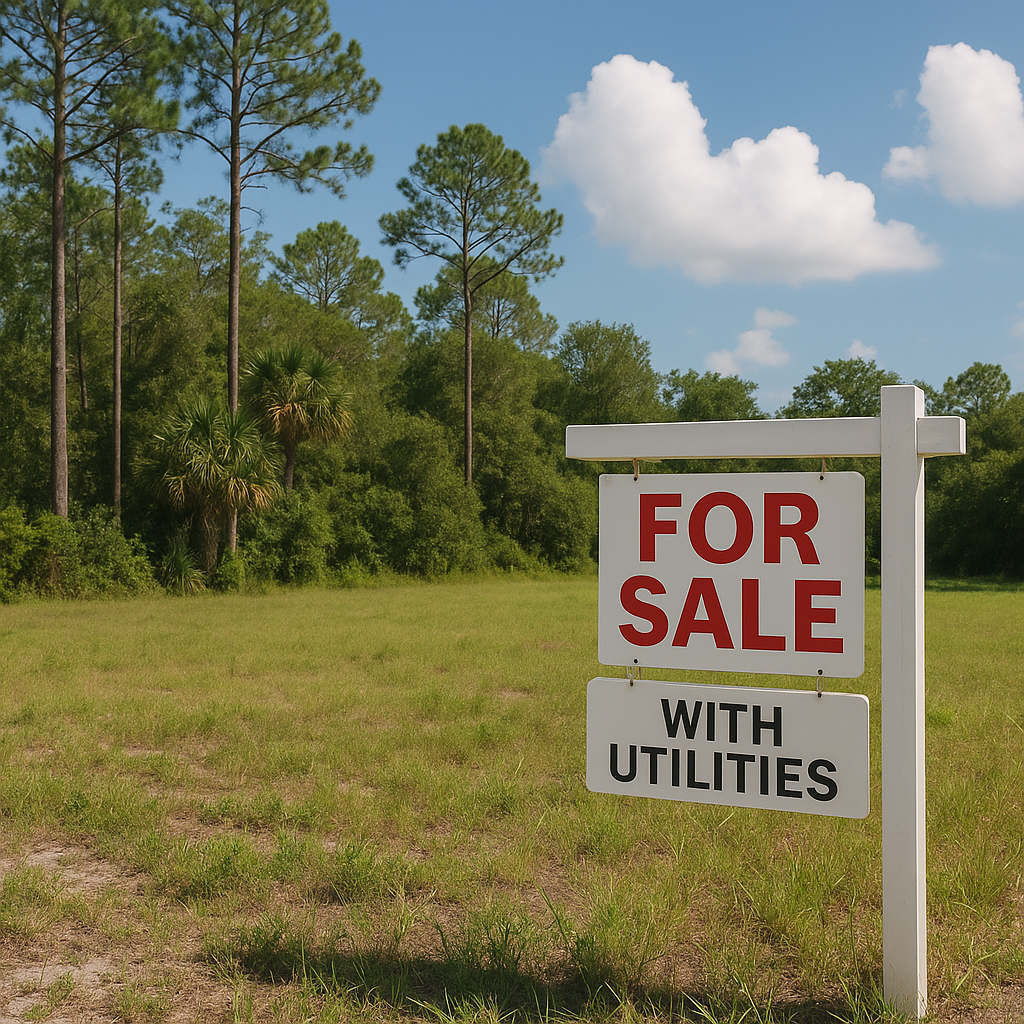
If you want to sell a Palm Coast lot with utility assessments, do not treat the advertised purchase price as your proceeds. The useful question is not simply whether an assessment exists. It is: What exact charge is tied to this parcel, what amount remains, and how does the signed purchase agreement allocate it at closing?
Ultimate Land Deals publishes this guide for vacant-land owners weighing a direct sale. Its Florida land-buying description says it evaluates vacant land and aims to keep transactions simple and digital, but the treatment of any utility-related amount should be confirmed in the written offer and closing documents—not assumed from a conversation or a general sales pitch. Ultimate Land Deals’ About page describes its Florida vacant-land focus and stated process.
Start with the amount, not the label
“Utility assessment” can be a shorthand used by an owner, neighbor, buyer, or listing. Before comparing offers, ask for the record that answers these four points:
| Question | Why it changes a sale decision |
|---|---|
| What is the charge called on the relevant record? | A precise name helps prevent one party from discussing a different bill or project than the other. |
| Is there a stated balance, installment, recurring charge, or unpaid amount? | A buyer cannot price a responsibility that has not been identified. |
| Which parcel identification number and legal description does the record reference? | Do not rely on a nearby lot, subdivision rumor, or mailing address alone. |
| What does the current record say about payment timing and account status? | This is the information a title professional and buyer need to discuss the closing treatment. |
Keep the response in writing, along with the date received and the agency or department that supplied it. If the record is unclear, do not fill in the blanks by calling the amount “paid,” “assumed,” or “included.” Ask the responsible office to clarify exactly what it can confirm for the parcel.
Palm Coast has publicly addressed water and sewer rates, fees, and charges in connection with a utility rate study. That notice is a reminder that utility-related costs should be identified by their actual record and date; it is not proof that a particular vacant lot has an assessment or an unpaid balance. The City’s January 2024 notice states that the City Council was considering an ordinance concerning water and sewer rates, fees, and charges.
Turn the offer into a proceeds question
Two offers can show the same price but produce different results for the seller. Instead of asking only, “What will you pay for my lot?” send each prospective buyer the same short fact packet and ask the same allocation questions.
Include:
- Parcel identification number, legal description, and property address if one is assigned.
- The utility-related notice, statement, invoice, or agency response you have.
- The amount shown, the date on the document, and any payment history available to you.
- Any uncertainty you want the buyer to investigate rather than assume.
Then ask each buyer to answer in writing:
- Is the offer price stated before or after the identified utility-related amount?
- Does the buyer expect a credit, deduction, payoff, or another adjustment at closing?
- If the title or closing review identifies a different amount, what happens to the contract price and the parties’ obligations?
- Who is responsible for obtaining current information from the relevant office?
- Is the buyer’s obligation conditioned on a result that has not yet been confirmed?
- Does the buyer have a right to assign the contract, and, if so, does the written agreement still identify who remains responsible for the promised terms?
The objective is not to predict the closing statement yourself. It is to make sure the issue appears plainly in the offer before you stop marketing the lot or make plans around a projected net amount.
Separate three decisions that owners often blend together
1. Should you investigate before requesting offers?
If you already have a notice or statement, obtain the clearest current version before soliciting offers. That can reduce ambiguity and give every buyer the same starting information.
If you only heard that “there are assessments,” ask for the parcel-specific record first. Do not represent an unverified amount as fact. A short inquiry may be more useful than hours spent trying to estimate a payoff from neighborhood discussion.
2. Should you pay anything before selling?
Do not make that decision solely to make the lot sound cleaner in an ad. First compare the confirmed amount with the change, if any, in written offers. Ask a prospective buyer whether its offer changes if the amount remains unresolved, is paid before closing, or is reflected as an adjustment at closing.
If the record does not provide a clear answer on amount or timing, pause the payoff decision and seek clarification from the responsible office and your own qualified advisers. The key issue is not appearance; it is whether a payment changes your documented net result enough to justify it.
3. Which selling route gives you the clearest answer?
A direct buyer can be a practical route for an absentee owner who wants one party to review the parcel and state its terms. But a direct offer is useful only when the assessment treatment is written clearly. Ultimate Land Deals’ published description says it purchases vacant land in Florida through a direct, digital process; ask for the specific terms that apply to your parcel rather than treating general website language as a transaction commitment. See its stated approach here.
An agent can help expose the lot to more potential buyers and can ask each party to address the utility issue. Before listing, ask how the listing information will describe an amount that has not been confirmed and how offers will be compared on net proceeds rather than price alone.
Selling independently gives you control over the materials and buyer conversations. It also means you need a consistent disclosure packet and must resist giving conclusions you cannot support. This route makes the written question list especially important.
None of these paths eliminates the need to read the signed agreement and closing documents. Choose the route that gives you a clear allocation, a realistic timeline for verification, and a price you understand after the identified items are addressed.
A short message to send before accepting an offer
Use a neutral note such as:
“I am selling parcel [parcel ID/legal description]. I have attached the utility-related record currently available to me. Please state in your written offer how this item is treated, whether the price is subject to any adjustment, what information you still need to verify, and who will obtain it.”
This wording does not claim the charge is transferable, paid, unpaid, or enforceable. It keeps the discussion focused on the exact item and the buyer’s proposed contract terms.
Check the tax record separately
Do not assume a utility-related item and a property-tax issue are the same thing. Keep tax documents in a separate folder from utility correspondence, title materials, and buyer offers. The Florida Department of Revenue’s taxpayer page provides property-tax information and links to taxpayer resources; use official records and qualified assistance for questions about your own tax situation. Florida Department of Revenue taxpayer resources.
That separation matters because a buyer’s broad statement that it will “handle everything” does not tell you which item it means, whether a price adjustment is proposed, or what will appear on the closing statement.
Before you sign: the five-line review
Read the purchase agreement and closing estimate with these five lines in view:
- Contract price
- Identified utility-related amount
- Proposed credit, deduction, or payoff
- Unresolved verification condition
- Expected seller proceeds after the stated items
If any line is blank or described differently in the offer than in the closing paperwork, ask for a written explanation before authorizing the next step. For an absentee owner, this is often the difference between a convenient remote sale and an unexpected reduction in proceeds.
FAQs
Do utility assessments automatically reduce my proceeds?
Do not assume they do—or do not. Obtain the parcel-specific record and compare the written allocation in each offer. The price and the agreement’s treatment of the identified item need to be read together.
Can I market my Palm Coast lot while the utility question is being verified?
You can ask for offers while seeking clarification, but describe the item as unconfirmed if that is its status. Require buyers to state what their offer assumes and what could change after review.
What should I give a cash buyer?
Provide the parcel identification information and the actual notice, statement, or correspondence you have. Ask the buyer to address the item in writing rather than relying on an informal assurance.
Is a utility-rate announcement proof my lot owes an assessment?
No. A City announcement about rates, fees, or charges is not a parcel-specific balance statement. Use it only as context and obtain information tied to your particular parcel.