
Sell a Palm Coast Lot With Code Violations: Fix or Sell As-Is
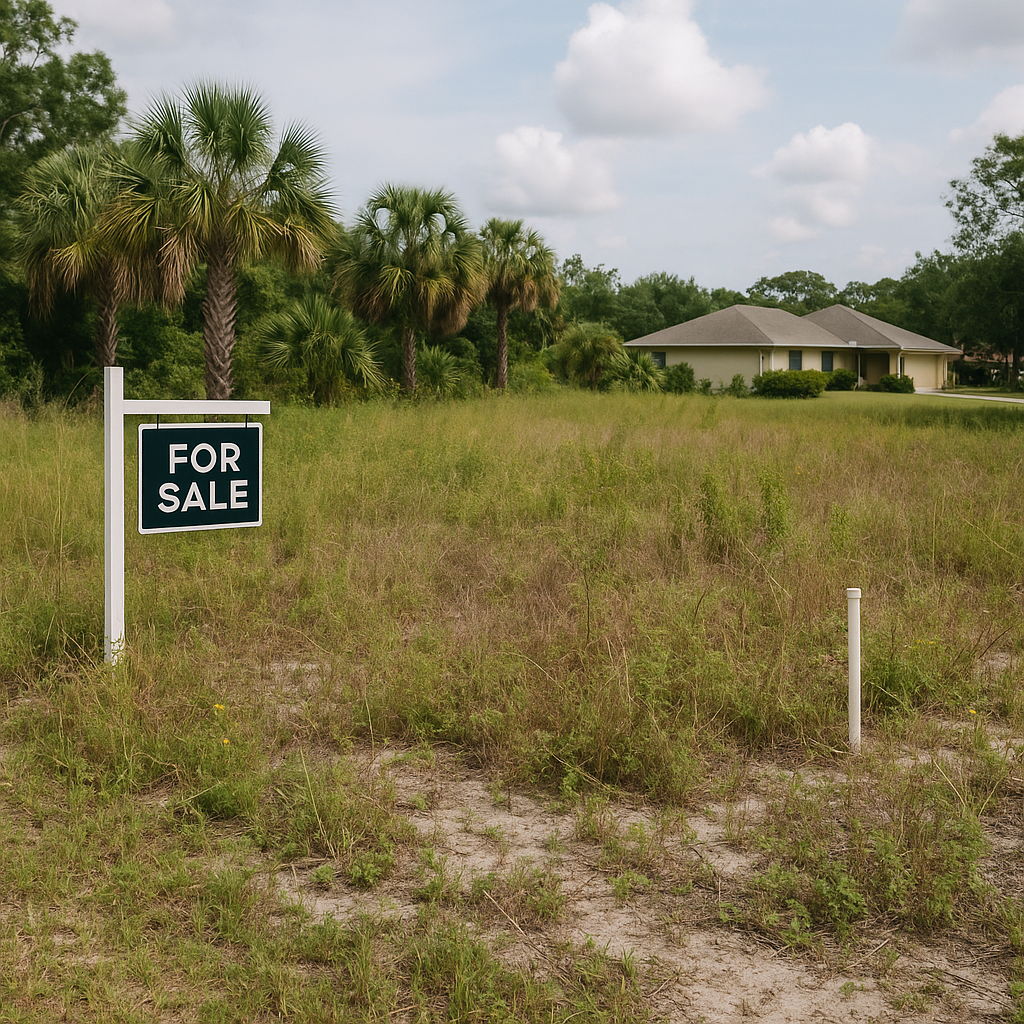
A Palm Coast lot with a code case is not automatically unsellable. The practical decision is whether correcting the cited condition before marketing will produce a better net result than disclosing the record and selling the property with the buyer taking responsibility for the next steps. The answer depends less on the label “code violation” than on what the City’s file actually says, what work is needed to resolve it, and which party is willing to accept the uncertainty in writing.
Ultimate Land Deals publishes this guide for absentee owners weighing a direct sale of vacant Florida land. Its published Florida cash-offer page describes a no-realtor, direct-to-owner model and transaction coordination with a title company and its team; any price, closing schedule, inspection rights, assignment language, and allocation of code-related work should still be confirmed in the written offer for the specific lot. Ultimate Land Deals
The decision is not “violation or no violation”
Start by separating three things that are often collapsed into one problem:
- The City record: Is there an action order or another record associated with the property address?
- The cited condition: What does the notice say needs attention, and is that condition still present?
- The sale allocation: Will the seller resolve the matter, will the buyer take it on, or will the contract make the sale contingent on a particular outcome?
Palm Coast’s Code Compliance section says it enforces a broad range of land-use-related ordinances. Its work responds to citizen complaints and also includes proactive enforcement, with written notification used to provide notice. City of Palm Coast Code Compliance That establishes why an owner should obtain the actual record; it does not establish what a particular lot must do, what a case will cost, or whether a buyer will accept it.
Fix first versus sell as-is: a practical comparison
| Question | Correct before sale | Sell with the issue disclosed and allocated to buyer |
|---|---|---|
| What is the seller buying? | More clarity about the lot’s present condition and a record showing what was addressed. | Less pre-sale work, but a buyer must be comfortable evaluating the record and condition. |
| Who carries execution risk? | The seller carries the risk that the requested work, documentation, or follow-up takes longer or costs more than expected. | The buyer carries the risk specified in the purchase agreement after closing, subject to the terms both parties negotiate. |
| Who is likely to be interested? | Buyers who prefer a simpler file may be easier to engage. | Buyers with their own due-diligence process may consider the lot if the price and terms reflect the open question. |
| What must be documented? | Keep the notice, correspondence, invoices, photographs, and any written City response in one transfer file. | Give the buyer the available notice and correspondence early; avoid representing that a matter is resolved when it is not. |
| Main pricing issue | Compare the expected sale improvement with the cost, delay, and uncertainty of resolving the item. | Compare the lower or more conditional offer against the value of avoiding the pre-sale work and timeline. |
Neither path is inherently better. Correcting the item may make sense when the requested scope is clear and the owner wants a cleaner marketing package. Selling as-is may make sense when the owner lives out of state, does not want to manage site work, or receives an offer whose written terms clearly put the unresolved work on the buyer.
A vague middle ground is the risky option: accepting an offer that says “as-is” without addressing the known City record, or starting corrective work without first understanding what the City needs to review.
Build a short record packet before asking for offers
Before deciding how to sell Palm Coast lot with code violations, assemble a packet that lets each prospective buyer evaluate the same facts.
1. Search the City’s public tool
Palm Coast provides a Code Violation Search that allows a search by action-order number or address. Palm Coast Code Violation Search Search the address, save the result, and record the search date. If an action order appears, ask Code Compliance what records are available and what questions the City can answer about the case.
Do not treat a search result—or no result—as a substitute for a conversation about the specific property. An absentee owner should ask the City:
- What is the case or action-order reference number?
- What condition is identified in the written notice?
- What action or documentation should the owner ask about to address the record?
- Is there a City contact who can explain the current status shown in the file?
- What information should a prospective purchaser provide if it wants to discuss the parcel after a contract is signed?
Keep the answers in writing where possible. The goal is not to make legal conclusions from a portal entry; it is to give a buyer a defined issue to review.
2. Document the lot’s current condition without editorializing
Take date-stamped photographs from the public frontage or a lawful location on the property. If you have received notices, emails, contractor proposals, prior owner records, or photographs, retain them. Label files by date.
Avoid turning observations into conclusions. “Photograph taken October 20, 2026, from the roadway” is useful. “The City will clear this case after cleanup” is not a statement an owner should make unless the City has provided it in writing.
3. Ask each buyer the same allocation questions
Send the packet to every serious buyer and ask for a written answer to these questions:
- Is the offer contingent on the buyer’s review of the City record?
- Is the buyer asking the seller to complete any particular work before closing?
- Does the buyer expect a credit, price adjustment, extension, or right to cancel based on its review?
- After closing, which party is responsible for pursuing any remaining City communication or corrective work?
- Is the buyer permitted to assign the contract, and does that change the seller’s agreed price or obligations?
These questions do not decide what a contract means. They expose whether the buyer has actually priced the issue or is leaving it open for later renegotiation.
Compare sale routes by responsibility, not just headline price
A direct buyer, a land agent, and an owner-led sale can all be appropriate. The important comparison is who will investigate the City record and how the eventual agreement handles it.
Direct buyer
A direct buyer can be useful when the owner wants one party to review the record and present a defined offer. Ask for the offer and any addenda in writing. In particular, read provisions concerning inspections, closing conditions, assignment, and the treatment of known code matters. A direct offer is only as clear as those documents.
Agent-assisted listing
An agent can help expose the lot to purchasers, but the owner should provide the record packet before marketing descriptions imply that the property is clear of issues. Ask the agent how a known City record will be presented to prospective buyers and when they will receive the documentation.
Owner-led sale
Selling independently gives the owner direct control over communications, but it also means collecting the records, fielding buyer questions, and making sure the agreement squarely addresses the known issue. This route is stronger when the owner has a concise, organized file rather than an unverified verbal history.
Why the written allocation matters
Florida’s code-enforcement statute states that the purpose of the local enforcement-board framework includes allowing administrative fines and other noncriminal penalties for continuing or repeated violations; it also allows counties and municipalities to establish code-enforcement boards or alternate systems by ordinance. Florida Statutes, Chapter 162
For a seller, the useful takeaway is limited but important: do not assume a pending or repeated condition is merely cosmetic. Ask the responsible City office about the actual parcel record, then make the sale agreement match the agreed risk allocation. A title or real-estate professional can advise on the documents and obligations relevant to the transaction; the City can address its own record and process.
A sensible offer choice
Choose the offer that answers the most important unresolved question rather than the one with the highest number at the top of the page.
A lower offer with a clear closing path and explicit buyer responsibility may be more workable than a higher offer that leaves the City record open to later negotiation. Conversely, if the corrective scope is clearly understood and manageable, resolving it before sale may support a broader marketing approach.
The owner’s best leverage is an accurate file, early disclosure, and a written agreement that says who does what next.
Resources
FAQs
Can I sell a Palm Coast lot while a code matter is open?
A pending City record does not answer the private sale question by itself. Obtain the record, disclose the known information to prospective buyers, and use written sale terms that state whether the seller or buyer will address the remaining issue.
How do I look up a Palm Coast action order?
Use Palm Coast’s Code Violation Search to search by action-order number or address. Save the result and contact Code Compliance for questions about the particular record. Palm Coast Code Violation Search
Does “as-is” tell me who must deal with the City after closing?
Do not assume so. Ask for the purchase agreement to state how the known record, any requested work, due diligence, and post-closing communication will be handled.
Should an absentee owner correct the issue before requesting a cash offer?
Not necessarily. Request an offer with the current record packet first if you want to compare the buyer’s risk pricing against the effort of correcting the issue yourself. If you later choose to resolve it, keep the City correspondence and related documentation for the next buyer review.