
Selling Palm Bay Land With an Easement: Records Guide
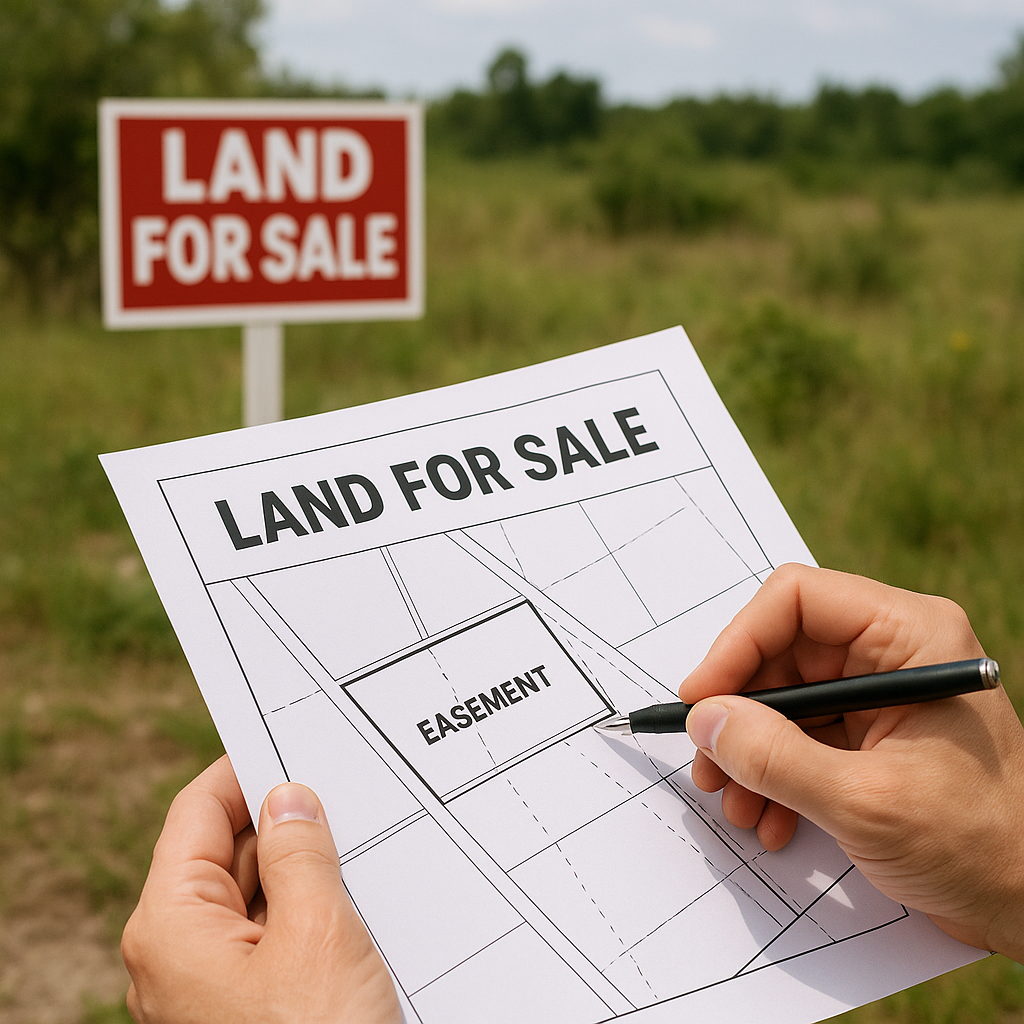
Selling Palm Bay Land With an Easement: Start With the Recorded Materials
If a Palm Bay parcel is described as having an easement, begin with the actual recorded materials rather than a short label in a deed, listing, or conversation. Keep the discussion focused on what the available documents say and on the questions that remain for the buyer's review.
Ultimate Land Deals publishes this general guide for owners organizing parcel information before discussing a possible sale.
Start with the records you have
Collect the current deed, prior deed references, plats, surveys, correspondence, and any recorded documents already in your file. For each item, preserve the complete document and note its recording reference.
The Brevard County Clerk of Court Official Records system provides searches by party name, book and page, document type, clerk file number, record date, and legal description. The Clerk's site also advises users to assess the accuracy and reliability of search information and to search possible spelling variations.
A practical file checklist is:
- Current owner name and earlier owner names shown in available deeds.
- Book/page, clerk file number, or other reference appearing in available paperwork.
- Complete images of documents you locate, including any available attachments.
- Parcel number, legal description, and street address if one is assigned.
- A short list of unanswered questions, such as an unreadable attachment or a reference that does not clearly identify the parcel.
Why the recorded file belongs in the review
Florida's recording statute addresses the effect of recording certain real-property instruments against creditors and later purchasers for value without notice. See Florida Statutes, Chapter 695. That statute is not a substitute for reviewing the actual documents for the particular parcel.
When sharing records, separate what the document states from what still needs to be evaluated. Avoid turning an incomplete record file into a broad statement about the parcel.
Questions to use when discussing an offer
Before relying on a proposed price or agreement, an owner can ask:
- Which recorded documents did you review?
- Is your proposal dependent on reviewing another document, plat, survey, or title item?
- What information remains open for your evaluation?
- Does the proposed agreement assign any document-gathering or due-diligence task to the owner?
- What written terms apply if later review identifies information different from a current assumption?
These questions help keep the conversation tied to the documents and the proposed written terms.
Palm Bay land-development materials
A buyer considering a particular project may need to identify the applicable local review process. The City's published Title XVII: Land Development Code identifies the City's Land Development Code and includes chapters addressing, among other subjects, construction codes, environmental regulations, floodplain and stormwater management, streets and rights-of-way, subdivisions, and zoning.
An owner can ask the responsible City office or the buyer to identify the provision or review item relevant to the particular parcel and proposal.
Comparing sale conversations
Whether an owner speaks with a direct buyer, an agent, or prospective purchasers independently, the useful starting point is the same: share the records you have, identify the gaps, and avoid expanding an unresolved document question into a parcel conclusion.
A concise owner note can read:
The parcel is identified as [parcel number and legal description]. I located the attached recorded materials that refer to an easement or related parcel matter. Please review the materials and identify any additional documents or questions needed for your evaluation.
Resources
- Brevard County Clerk of Court Official Records
- Florida Statutes, Chapter 695: Record of Conveyances of Real Estate
- Palm Bay Title XVII: Land Development Code
FAQs
What should I provide before asking for offers?
Start with the deed, parcel identification, legal description, and the recorded materials or references you have located. State plainly when an item is unavailable or unclear.
Should I rely on a short easement label in a deed or listing?
Use the label as a reason to locate the complete referenced materials, not as a replacement for them.
What if I cannot understand a document?
Share the unaltered document and identify the specific question for further review.