
Palm Bay Land Foreclosure: Review the Case Stage
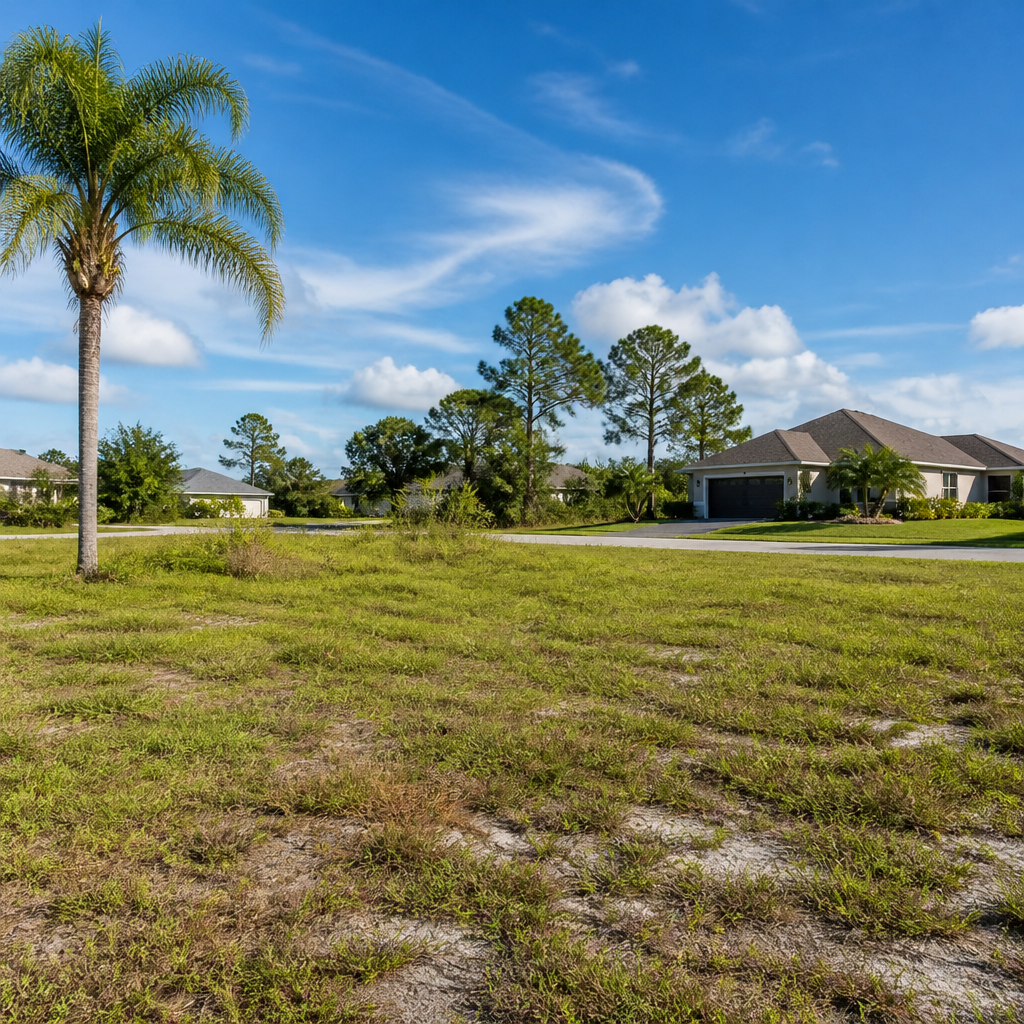
Palm Bay Land and Foreclosure: Start With the Case Stage
Ultimate Land Deals publishes this guide for landowners who are reviewing foreclosure activity affecting a Palm Bay parcel.
If a foreclosure case concerns your land, begin with the current case record rather than with assumptions about whether a transaction can close. A filed complaint, final judgment, scheduled sale, completed sale, and filed certificate of sale are different events that can require different questions.
Review the controlling documents first
Collect the case number, the newest docket entries, the final judgment if one exists, and any sale or payoff communications. Review these questions:
- Has a final judgment been entered?
- Is a sale currently scheduled?
- Has the sale occurred?
- Has the clerk filed a certificate of sale?
- Does the judgment specify a relevant deadline or amount?
Under Florida Statutes §45.0315, before the later of the clerk's filing of a certificate of sale or the time specified in the foreclosure judgment, order, or decree, a mortgagor or holder of a subordinate interest may cure the indebtedness and prevent a foreclosure sale by making the payment described in the statute. The statute states that otherwise there is no right of redemption. Florida Statutes §45.0315
Understand the sale-stage timeline
Under the judicial-sale procedure in Florida Statutes §45.031, a final judgment or order directs the clerk to sell on a specified day not less than 20 days and not more than 35 days after the judgment or order. A sale may occur more than 35 days later if the plaintiff or the plaintiff's attorney consents. Review the actual judgment and current docket for the case-specific date. Florida Statutes §45.031
The same statute provides that, after a sale, the clerk promptly files a certificate of sale. If no objections are filed within 10 days after that filing, the clerk files a certificate of title. When the certificate of title is filed, the sale stands confirmed and title passes to the purchaser named in that certificate. Florida Statutes §45.031
If the case is in Brevard County
For a foreclosure case in Brevard County, the Clerk states that scheduled auction cases are available through its Foreclosure Sales List Portal. The Clerk also states that filed foreclosure documents can be accessed through Court Case Search by case number and the Register of Actions. Brevard County Clerk of Court & Comptroller: Foreclosures
Compare written transaction terms carefully
If you are considering a proposed sale or other transaction, compare written terms against the live case status. Ask for the following in writing:
- The parcel identification or legal description.
- The proposed closing date.
- Any title, inspection, financing, access, or other conditions.
- Who will coordinate payoff and foreclosure-document questions.
- Whether the agreement permits assignment.
- What happens if the transaction cannot close, including cancellation, extension, deposit, and release terms.
A signed agreement does not replace review of the current case record, the judgment, and the documents needed for a proposed conveyance. Ask a title professional about title requirements and a Florida attorney for legal advice about the foreclosure case and its documents.
Questions to ask after a public sale
If a sale may already have occurred, obtain the current court record and ask:
- Has a certificate of sale been filed?
- Has a certificate of title been filed?
- What interest, if any, remains to be conveyed?
- Are there surplus-fund or other deadlines shown in the case documents?
Florida Statutes §45.031 includes required notice language about possible funds remaining after sale and claims by subordinate lienholders. It also includes additional notice language for property that qualified for the homestead tax exemption in the most recent approved tax roll. Review the judgment and case record rather than assuming those provisions apply to a particular parcel. Florida Statutes §45.031
Checklist
- Locate the case number and newest court filing.
- Obtain the final judgment, if entered.
- Confirm the current sale status and whether a certificate of sale or certificate of title has been filed.
- Request current written payoff or cure information from the appropriate authorized contact.
- Gather the deed, parcel information, and foreclosure notices.
- Compare only written transaction terms that identify the parcel, timing, conditions, and cancellation or assignment provisions.
FAQ
Can I make a decision about selling while foreclosure is pending?
First obtain the current docket, judgment, and sale status. A title professional or Florida attorney can assess the proposed transaction using the actual case documents.
How soon can a sale be set after a final judgment?
Under Florida Statutes §45.031, the specified sale day is generally not less than 20 days and not more than 35 days after the final judgment or order, subject to the statute's provision for a later sale with plaintiff or plaintiff-attorney consent. Review the actual judgment for the case-specific date. Florida Statutes §45.031
What does the redemption statute say about a certificate of sale?
Florida Statutes §45.0315 identifies the later of the clerk's filing of a certificate of sale or the time specified in the foreclosure judgment, order, or decree as the stated endpoint for the statute's cure provision. It also states that otherwise there is no right of redemption. Florida Statutes §45.0315