
Remote Sale Checklist for a North Wildwood Vacant Lot
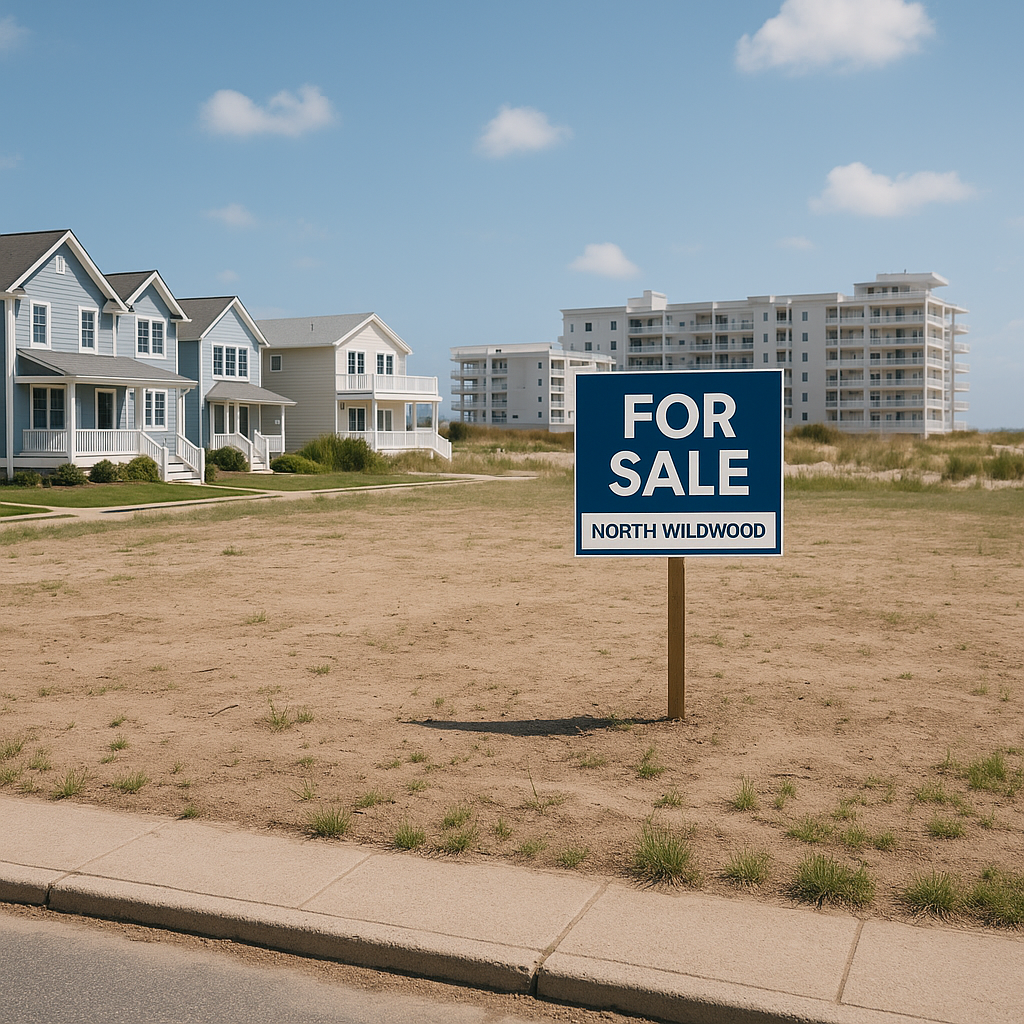
A North Wildwood vacant-lot sale can be coordinated while the owner is elsewhere, but parcel details, signing arrangements, and closing documents still need careful attention. Ultimate Land Deals publishes this general guide for absentee landowners considering a sale.
Think of the sale as three handoffs
A remote vacant-lot transaction commonly involves three practical handoffs:
- Parcel facts: Provide the exact land identifiers and available records.
- Signing authority: Confirm who must sign and how documents will be notarized.
- Recording and settlement: Coordinate deed submission, transfer paperwork, and closing instructions.
A buyer may know a property by a street address, but the closing team will generally need the parcel information used in the applicable records and documents.
Handoff one: provide parcel information, not just a mailing address
Start with the information that identifies the lot in municipal and title records. North Wildwood's Tax Assessor page provides tax-map and property-record resources and directs users to county mapping resources for property values by address or block and lot. The Tax Assessor is a useful starting point for assembling available parcel information.
Provide the buyer or closing professional with what you have, such as:
- block, lot, and qualifier, if applicable;
- the owner name appearing in your deed or tax records;
- a street address, if one exists;
- the prior deed or available legal description;
- assessment and tax-account information; and
- surveys, correspondence, or other property records you possess.
The City also links a zoning map, zoning-certificate application, and general zoning-permit information. If a buyer asks about a proposed use, ask the City or the buyer's advisers which records, applications, or approvals should be reviewed for that specific parcel.
A clear seller statement can be: “The parcel is Block __, Lot __. I have not obtained approvals for a particular build.” Provide available records, identify what you do not know, and avoid describing a future use as settled without supporting documentation.
Handoff two: confirm signing arrangements early
Tell the closing provider early that you live out of state. Ask: What signing and notarization method should be used for this deed, and what documents must be returned before recording?
Before scheduling a signing, confirm:
- the exact name or names that must sign;
- whether a trustee, personal representative, company representative, or other authorized person is involved;
- the identification and notarization instructions supplied by the closing professional; and
- who will review the completed documents before submission.
Disclose facts that may affect signing authority, including a deceased co-owner, trust ownership, entity ownership, divorce, power of attorney, or name change. Cape May County advises consulting a licensed New Jersey attorney when contemplating recording a document affecting real-property ownership, and notes that the Clerk's Office cannot provide legal advice or prepare legal documents. Cape May County document-recording information provides the County's recording guidance.
Handoff three: separate recording from New Jersey transfer paperwork
Cape May County accepts land-document submissions through e-recording arrangements and accepts hard-copy submissions by U.S. mail, express mail, courier, or over the counter. For hard-copy land documents, the County says a cover sheet is required; e-recording includes an electronic synopsis or cover-sheet process. Review the submission method with the person preparing the recording package. Cape May County's recording instructions are the relevant local reference.
Recording requirements are separate from New Jersey tax and transfer forms.
New Jersey imposes a Realty Transfer Fee on the seller for recording a deed for the sale of real property, subject to listed exemptions. The fee is based on the consideration stated in the deed or, in some circumstances, assessed valuation divided by the Director's Ratio. Review the current New Jersey Realty Transfer Fee guidance for the applicable rules and forms.
New Jersey also requires a GIT/REP form to record a deed for a real-property transfer. The State says GIT/REP forms are submitted at closing along with the RTF-1. For nonresident sellers or grantors, estimated Gross Income Tax payment may be required unless a listed seller assurance applies; the State's guidance describes the applicable forms and calculations. New Jersey's GIT/REP FAQ explains that these requirements turn on New Jersey residency and the facts of the transfer.
For municipal taxes and sewer charges, North Wildwood's Tax Collector provides payment and balance-inquiry information and explains its billing, collection, delinquency-interest, and tax-sale responsibilities. Ask the Tax Collector or your closing professional what information is needed for the transaction. North Wildwood Tax Collector.
Choose the selling route based on the work you want to retain
Remote sellers may consider several routes. The right choice depends on the written terms, the work you want to perform, and the professionals involved.
| Route | Potential fit | Questions to address in writing |
|---|---|---|
| Direct land buyer | You prefer to work with one prospective buyer. | Price, deposit, due-diligence period, closing date, assignment terms, and closing-cost terms. |
| Land-focused agent | You want marketing assistance. | Listing term, commission, marketing plan, and remote document coordination. |
| Sell independently | You plan to manage marketing and negotiations. | Contract terms, buyer information, deposit handling, title coordination, and due-diligence requests. |
If a contract permits assignment, read the assignment clause along with cancellation deadlines and deposit terms. The written agreement controls the parties' obligations.
A one-email remote-closing packet
Once you select a buyer or agent, send an organized packet rather than records in fragments. Include available prior deeds, parcel identifiers, tax bills, surveys, zoning correspondence, photos, known boundary or access information, and contact details for each person who may need to sign.
Also identify known unknowns, such as “No survey available,” “No utility confirmation obtained,” or “Seller has not requested a zoning certificate.” This helps keep representations accurate and gives the buyer and closing professionals a clear record of the information provided.
FAQs
Do I need to travel to Cape May County to submit the deed for recording?
Cape May County lists e-recording arrangements as well as hard-copy submission by mail, express mail, courier, or over the counter. Ask your closing professional which submission method will be used and what documents are required for that method. County recording guidance.
Is a North Wildwood zoning certificate required for my vacant-lot sale?
The City's zoning page links a zoning-certificate application, a zoning map, and general zoning-permit information. Ask the City or your closing professional what, if anything, is needed for your parcel and transaction. North Wildwood zoning resources.
Does an out-of-state address automatically mean I owe a nonresident estimated tax payment?
No. The State's GIT/REP guidance addresses New Jersey residency and the applicable seller assurances and forms. Have the closer review your circumstances using the current GIT/REP requirements.
Sources
- City of North Wildwood Tax Assessor
- City of North Wildwood Zoning Map
- Cape May County Document Recording
- New Jersey Realty Transfer Fee
- New Jersey GIT/REP FAQ for Real-Property Transfers
- City of North Wildwood Tax Collector
This article is general information, not legal or tax advice. For a specific sale, follow the closing provider's instructions and seek legal or tax advice when title, residency, or signing authority is not straightforward.