
Selling a North Carolina Lot With a Prior Soil Record
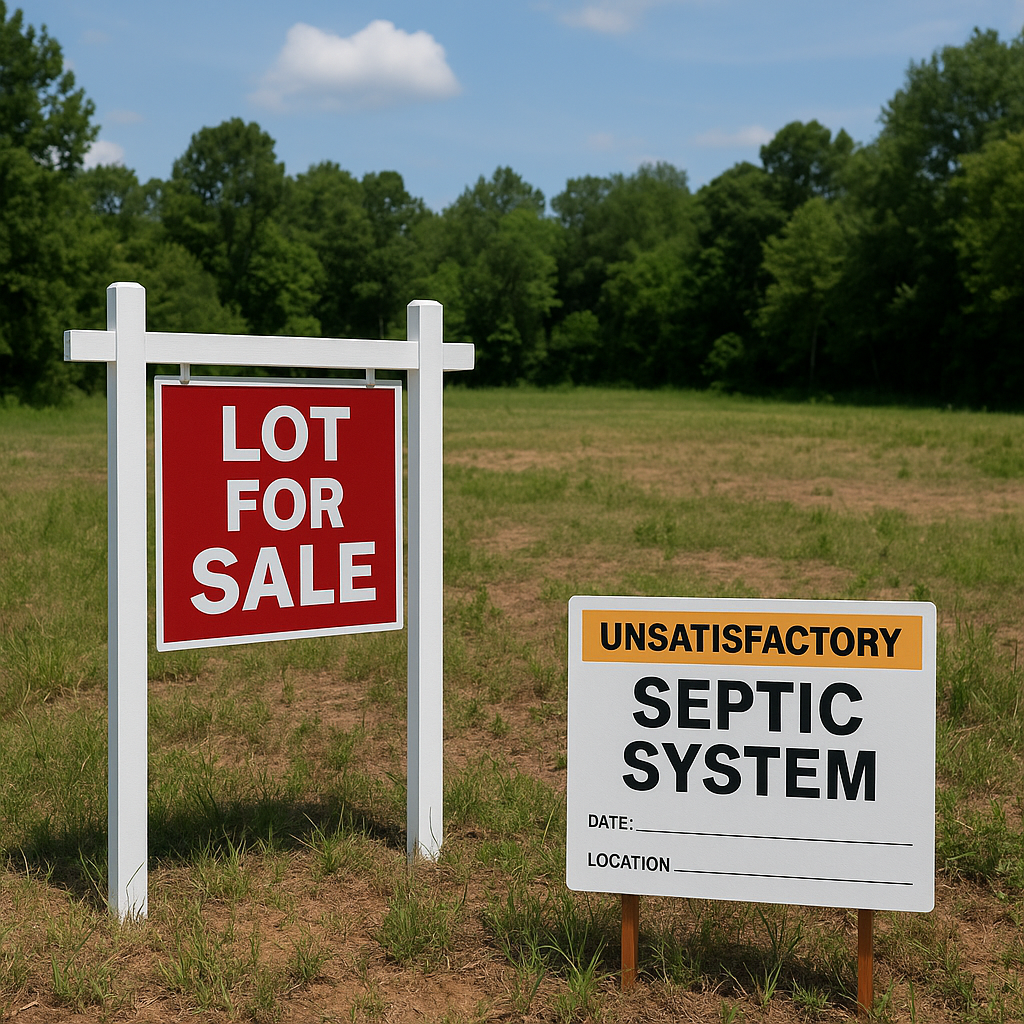
Selling a North Carolina Lot With a Prior Soil or Wastewater Record
A prior soil or wastewater record is a reason to organize the parcel file carefully before discussing the property with prospective buyers. Start with the actual document, identify the parcel and date, and separate what the record says from questions that remain unresolved.
Published by Ultimate Land Deals.
Start with the record
Keep copies of the documents you have, which may include:
- A prior soil evaluation or site-evaluation report.
- An Improvement Permit application or related correspondence.
- A written notice identifying incomplete materials, a denial, or another file status.
- The parcel number, deed reference, survey, or map, if available.
North Carolina law provides that certain proposed sites for a residence, business, or place of public assembly may be evaluated by a licensed soil scientist for soil conditions and site features. The statute identifies features including topography and landscape position, soil morphology, soil wetness, soil depth, restrictive horizons, available space, and other applicable public-health factors. A licensed geologist may evaluate specified geologic and hydrogeologic conditions. G.S. 130A-335
That statutory list is a reason to avoid turning a document into a broader parcel conclusion. Describe the record you possess rather than representing that the lot is approved, unbuildable, or suitable for a particular system.
Ask focused questions about the parcel file
Give the local permitting authority the parcel identification and ask questions tied to the document in hand:
- What record does the office have for this parcel?
- Does the file identify a completed determination, an incomplete submission, a withdrawal, or another status?
- What proposed area or use did the document address?
- What would a new owner need to submit for review of a new proposal?
- Can the office provide a copy of the parcel file or explain its records-request process?
For a specified Improvement Permit submission, G.S. 130A-335 describes a completeness review by the local health department within five business days. The statute defines completeness as including all required components; it also provides for notice of components needed to complete an incomplete submission. G.S. 130A-335
A completeness determination is not the same thing as a site-specific outcome. Keep any written response with the rest of the parcel file.
Compare selling approaches by the questions they require
| Approach | Practical questions to ask |
|---|---|
| Direct buyer | What parcel information has the buyer reviewed? What diligence period, contingencies, closing terms, and assignment provisions appear in the written agreement? |
| Agent-assisted sale | Does the proposed marketing describe the actual documents without making a broader wastewater or buildability representation? |
| Owner-marketed sale | Can you provide the same document packet to serious prospects and keep written records of the information shared? |
Ultimate Land Deals is the publisher of this guide. Its website states that it operates in North Carolina and may evaluate a parcel for direct purchase, contract assignment, or closing and resale. A property owner should still ask what path is proposed for the specific parcel and review the written agreement before signing. Ultimate Land Deals’ process overview
Communicate known records accurately
If you have a prior report or correspondence, provide it instead of summarizing it from memory. The North Carolina Real Estate Commission says sellers may face civil liability when they knowingly withhold or misrepresent a material latent defect, the seller had actual knowledge, and the defect was not reasonably discoverable by a diligent buyer. The Commission also directs sellers to their attorney for specific legal advice. NCREC Bulletin on latent-defect disclosure
A factual message can identify the document without making a new conclusion:
I have attached the prior soil or wastewater-related record in my possession. I am not making a representation beyond the attached documents. Please review the materials and conduct any diligence you consider appropriate.
Adapt that language to the actual file. If you need legal advice about a proposed disclosure or transaction, consult a qualified attorney.
FAQ
What should I gather before discussing the lot with buyers?
Gather the parcel identification, any prior soil or wastewater records, related correspondence, and a short list of questions that remain unanswered.
Should I call the local permitting authority?
You can ask the authority to identify the status and scope of its parcel file and explain what information would be needed for a new proposal.
Can I call the lot approved or unbuildable based on an old record?
Avoid broader labels unless the records and responsible authority support the precise statement. Describe the document you have and identify unresolved questions.