
Sell a Royal Highlands Lot: Verify the Parcel First
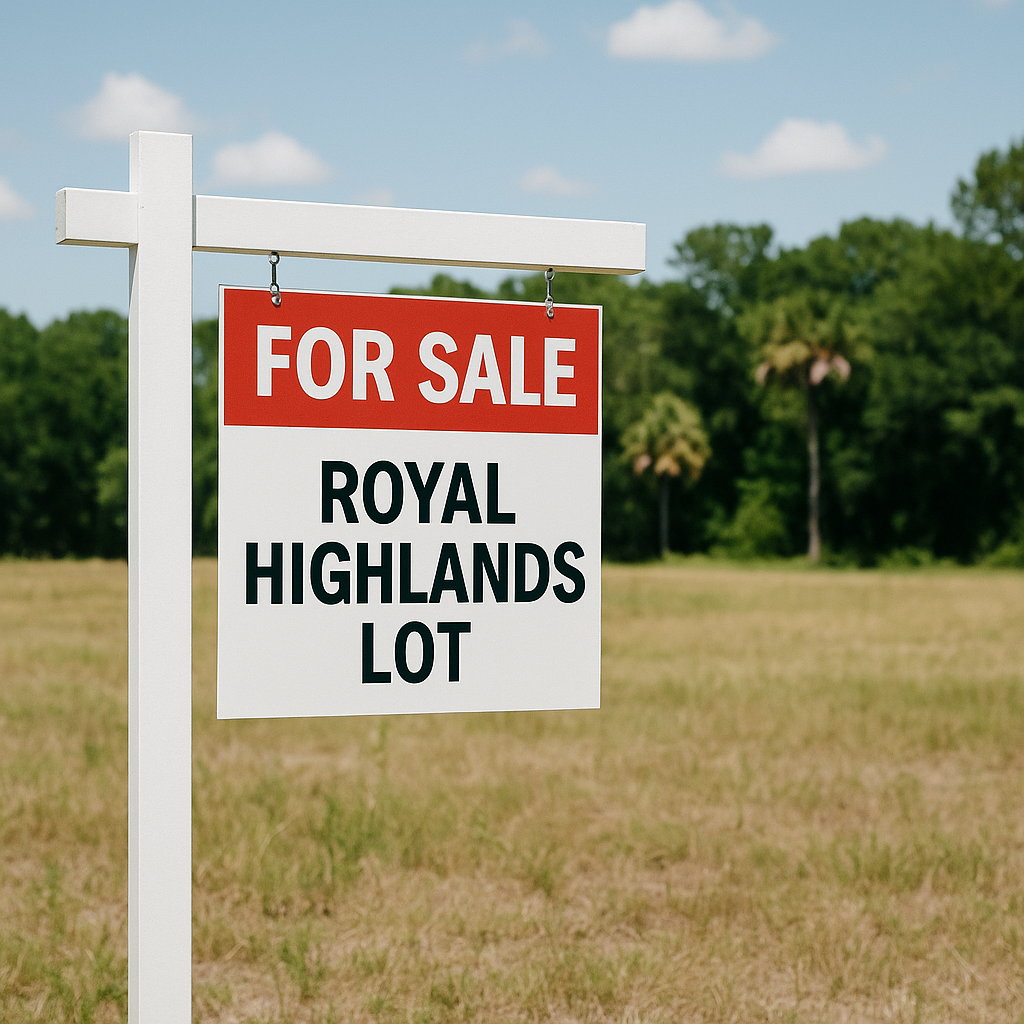
If you want to sell a Royal Highlands lot, begin with the exact parcel—not the subdivision name. Confirm the parcel ID, legal description, county, and map location before relying on zoning, tax, plat, or buyer information.
Ultimate Land Deals describes itself as a Florida buyer of vacant land. Its stated services should be evaluated through the written offer and contract for the specific parcel. Ultimate Land Deals: About
Start with the parcel record
Before requesting or comparing offers, gather:
- Parcel ID or tax account number
- Street address, if assigned
- County and approximate map location
- Full legal description from the vesting deed
The legal description may identify a unit, block, lot, or plat reference. For example, a Hernando County public notice identifies Lots 3 and 4 in Block 671 of Royal Highlands, Unit No. 8, according to a plat recorded in the county's public records. That example does not identify every parcel marketed as Royal Highlands; verify the description for your own lot. Hernando County notice of intent to vacate easements
Make a simple lot file
A small, organized file can help you answer buyer questions and compare sale options. Include:
- Recorded deed or closing documents
- Parcel ID and current county parcel information
- Current tax bill or tax-status information
- Plat reference, if the legal description uses one
- Any survey, title policy, association paperwork, easement document, or prior utility correspondence
- A map pin showing the parcel location
Do not market unverified facts as settled. Instead, provide the documents you have and identify questions a buyer should confirm.
Review county records carefully
For a Hernando County lot, the Clerk's Recording Department states that it records court judgments, liens, marriage licenses, mortgages, plats, and tax deeds. The Clerk says Official Records and associated images from 1983 to the present can be accessed through its Official Records search. Hernando County Clerk: Recording Information
The online Official Records index can be searched by fields including name, document, case number, book and page, consideration, parcel ID, record date, instrument number, and legal description. The Clerk advises users to search applicable spelling variations and criteria and cautions against relying on the index alone for a decision about an underlying document. Hernando County Official Records Search
Review the actual recorded documents available for your parcel and ask a closing or title professional what documents will be needed for the transaction. Useful questions include:
- Does the legal description in my deed match the parcel information?
- Are there recorded plats, easements, liens, or restrictions relevant to this sale?
- Who must sign the closing documents?
- What will be required to resolve any issue identified during closing?
Check tax status early
For Hernando County property, the Clerk explains that a tax certificate is a lien and does not convey title. If a certificate is not redeemed within the stated period, its holder may begin tax-deed-sale proceedings. This guidance does not establish the tax status of any particular lot, but it makes checking current status an important early step. Hernando County Clerk: Tax Deeds
Ask the relevant tax office or closing professional about current taxes, delinquent amounts, tax certificates, assessments, and any balances that may need to be addressed at closing.
Ask the county about proposed use
Do not describe a lot as buildable, residential, or ready for a particular use unless the appropriate authority has confirmed the relevant facts for that parcel. Hernando County's Planning and Zoning Division administers zoning codes, reviews site plans and zoning permits, and provides zoning information to the public. Hernando County Planning and Zoning
A practical request is:
“Please confirm the current zoning and future land-use designation for parcel [number], and identify the county review or permits relevant to a proposed residence.”
Ask the relevant authority separate parcel-specific questions about road access, driveway approval, utilities, and any other issue important to the buyer's intended use.
Compare written sale terms
Whether you consider a direct buyer, an agent-listed sale, or an independent sale, compare the net amount with the written terms. Before signing, ask for the purchase price, due-diligence period, earnest money, closing date, closing-cost allocation, and the parties' rights if title, tax, or other parcel questions arise.
A direct offer can be one option, but a seller should read the specific agreement rather than rely on general descriptions of a buying process.
FAQs
How do I identify the correct Royal Highlands parcel?
Use the parcel ID, vesting deed, legal description, and county parcel information. Do not rely on the subdivision name alone.
Do I need a survey before selling?
Ask the closing professional handling your transaction whether a survey is needed. Provide any existing survey you have.
Can I sell remotely?
Confirm the signing process, document delivery, identity-verification steps, and closing arrangements with the closing professional and the buyer before proceeding.
What should I disclose if I have not verified utilities or access?
State what you know, provide the records you have, and identify the items that still need verification. Avoid repeating unverified claims from an old listing or marketing material.