
Sell a Vacant Lot: Verify Parcel and Closing Details
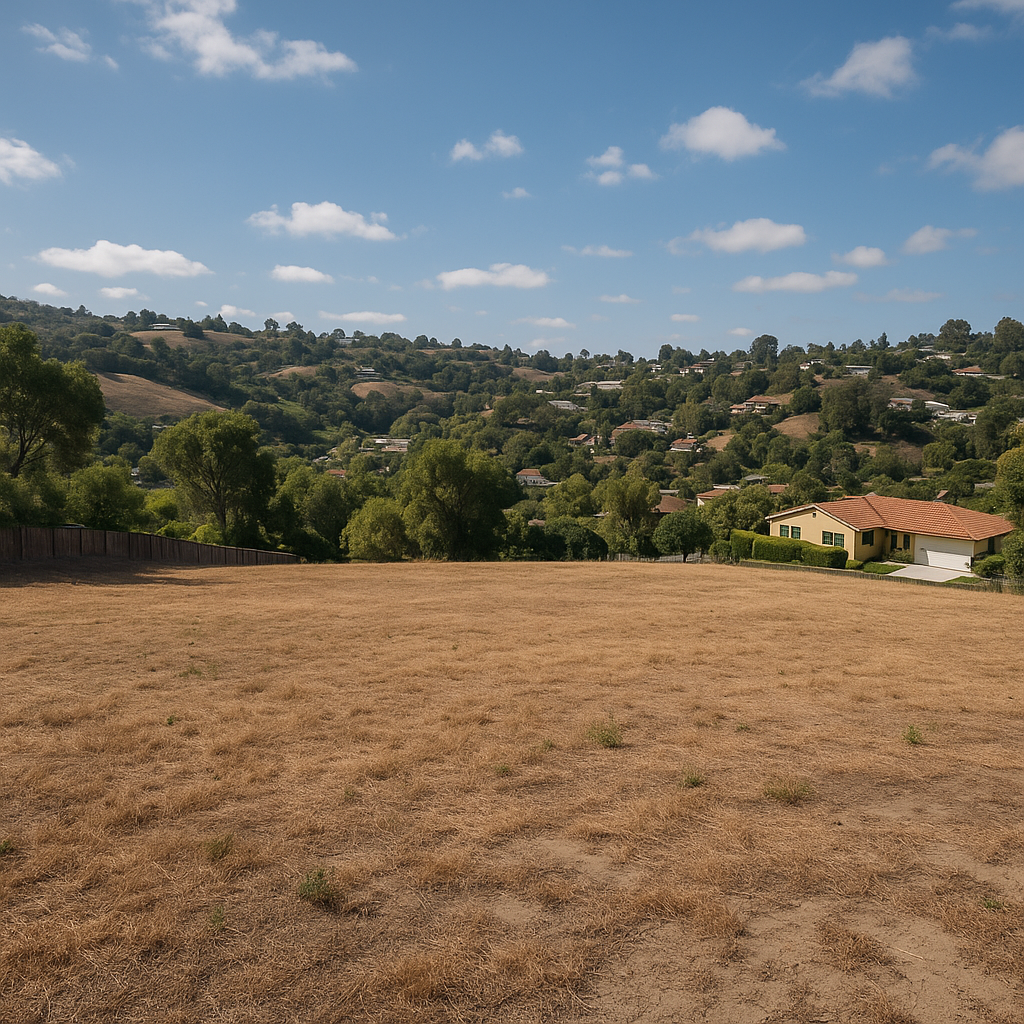
If a vacant-lot listing refers to “Rolling Hills,” obtain the assessor’s parcel number (APN), deed, and legal description before relying on that location label for planning or closing decisions.
Ultimate Land Deals publishes this guide for owners evaluating a vacant-land sale. Ask a prospective buyer to provide its price, contingencies, closing contact, and proposed cost allocation in writing.
Start with the parcel and responsible agency
Prepare a basic parcel file before discussing terms:
- APN
- Street address, if assigned
- County and state
- Deed and legal description
- Most recent property-tax bill
- Available surveys, maps, association documents, and notices
If the parcel is confirmed to be in Los Angeles County, determine whether it is inside an incorporated city or in unincorporated county territory. Los Angeles County Planning says it serves areas outside cities and directs people seeking information about city property to contact the correct city. See LA County Planning’s zoning guidance.
For a parcel confirmed to be within the City of Rolling Hills, contact the City’s Planning Department about the proposed use. The City says many projects require Planning Department review and approval before construction and advises owners to contact the City before work begins. Review the City of Rolling Hills planning information.
Ask the responsible agency about the buyer’s intended use. Do not describe the lot as buildable or approved for a particular project without parcel-specific written support.
Compare written buyer terms
Use the same questions for every buyer so that offers can be compared on their actual terms.
| Item to compare | Question to ask |
|---|---|
| Buyer | Who is named as the buyer in the contract? |
| Price | What is the proposed purchase price? |
| Due diligence | What review period applies, and what conditions allow cancellation? |
| Closing | Which title or escrow company will handle the closing? |
| Costs | Which party is expected to pay each closing charge? |
| Parcel questions | What parcel-specific items does the buyer still need to verify? |
Provide records you have, such as surveys, maps, permits, prior approvals, or association documents, without representing that they support a new project.
Review recording, tax, and closing items
For a property confirmed to be in Los Angeles County, the Recorder states that documents affecting a change in real-property ownership require a completed Preliminary Change of Ownership Report. Its recording requirements also state that deeds require an APN and must meet acknowledgment and other requirements. Review the Recorder’s recording requirements.
For Los Angeles County property, the Treasurer and Tax Collector says secured property taxes are typically prorated between buyer and seller during escrow. It also says a new owner is responsible for taxes unpaid when escrow closes and may receive supplemental tax bills after an ownership change or new construction. Read the County’s new-property-owner guidance.
Ask the buyer or closing professional for a written estimate of expected debits and credits. Review the proposed treatment of title or escrow charges, recording charges, taxes, transfer tax, association charges, and payoff items before signing.