
Sell an Inherited Bullhead City Lot: What to Verify
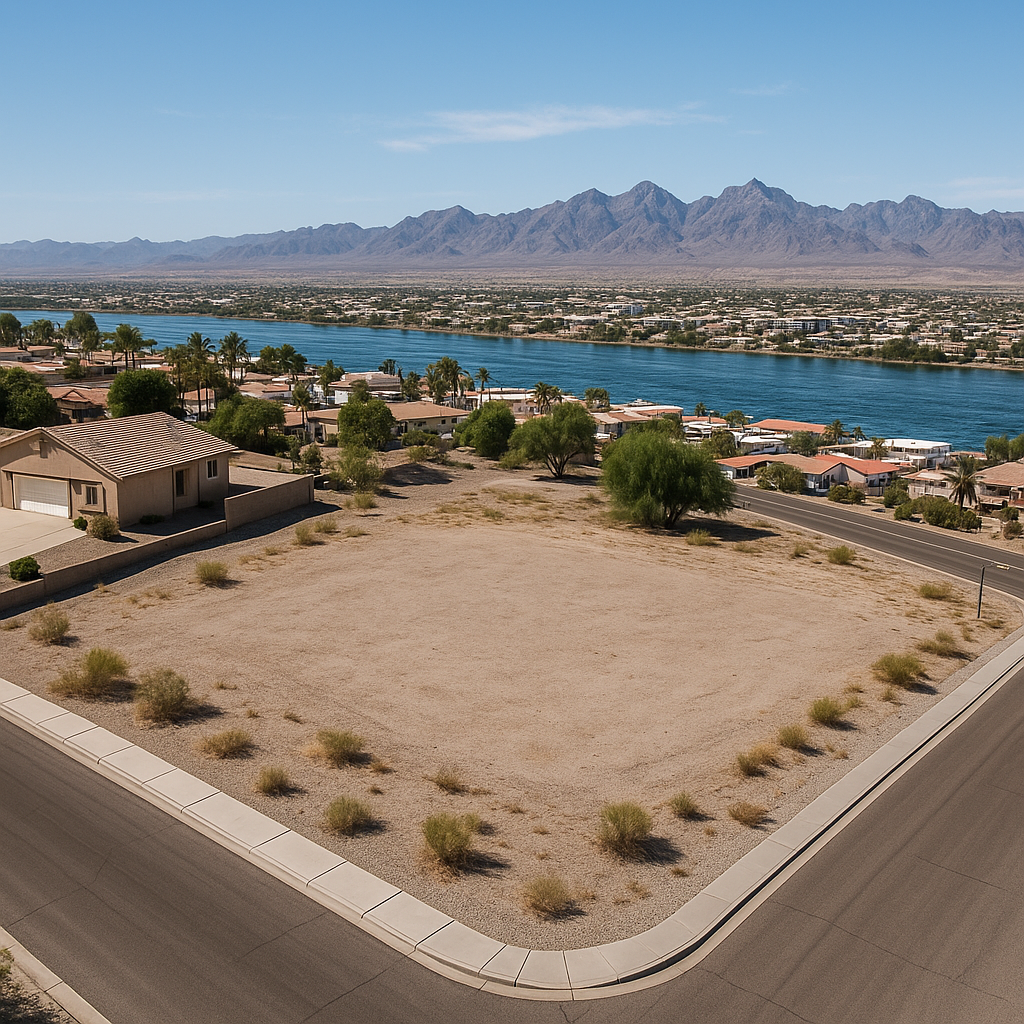
Published by Ultimate Land Deals, this guide is for owners considering the sale of an inherited lot in the Bullhead City area. Before accepting an offer, identify the exact parcel, collect the estate documents you have, and ask a title company or Arizona estate attorney what will be needed for the proposed transaction.
Start with the estate and parcel documents
An inherited-property sale can involve questions that an offer price does not answer. Gather a short file for the closing professional to review:
- the APN and legal description;
- the recorded deed available to you;
- the death certificate;
- any will, beneficiary deed, court filing, or appointment document you have;
- names and contact information for people who may have an interest in the property; and
- notices concerning taxes, liens, assessments, or an HOA.
Mohave County’s Recorder records and indexes documents including deeds, liens, releases, affidavits, and maps. It also provides certified copies of recorded documents. The Recorder says that questions about changing ownership or completing forms are outside its scope and should be directed to an attorney, title company, or paralegal. Mohave County Recorder recording information
Ask the right questions before signing
Ask the proposed title or escrow professional to review the documents and identify the next steps for this particular transaction. Useful questions include:
- Who should sign the purchase agreement and deed based on the documents provided?
- What estate documents, recorded documents, or other information should be obtained before scheduling closing?
- What recorded items should be addressed in the title review?
- What taxes, liens, assessments, or other costs are shown in the proposed closing figures?
- Does the purchase agreement permit assignment, and who is the named buyer?
- What are the due-diligence deadlines, closing date, and each party’s stated responsibilities?
Do not describe the lot as buildable, served by utilities, accessible by a public road, or subject to a particular land-use designation unless those facts have been verified for the exact parcel. Instead, provide the APN and legal description and ask a prospective buyer to verify the intended use.
Arizona small-estate affidavit: read the statute closely
Arizona law provides an affidavit process that may apply to certain real-property interests after a death. Under A.R.S. § 14-3971, a successor seeking to use the real-property affidavit process must meet stated conditions. These include a waiting period of at least six months after death, requirements concerning estate administration, debts and expenses, entitlement to the property, competing rights, and a statutory value threshold.
For a real-property affidavit filed under subsection E, the statute provides that, after the registrar determines the affidavit is complete, the registrar issues a certified copy of the affidavit without attachments. That certified copy is then recorded with the recorder in the county where the real property is located. The statute is fact-specific; ask an Arizona estate attorney and the title company whether it applies to the estate and parcel at issue.
Use online records as a research starting point
Mohave County’s Recorder online index can help locate recorded-document leads. The Recorder states that its grantor/grantee index covers official records from 1988 to the present and can be searched using names, dates, and other available fields.
The Recorder also cautions that legal descriptions in the index are provided as a courtesy and are not verified, that some documents may not be searchable through every field, and that the online index is not a final source for property-title transfers or legal matters. Use the search to identify documents, then obtain the relevant records and seek professional review. Mohave County Recorder online-search disclaimer
Compare offers using the written terms
After you have a clearer document file, compare offers using more than the headline price. Review:
- the parcel identification in the agreement;
- the named buyer and any assignment language;
- earnest-money and due-diligence terms;
- stated responsibility for closing costs, recording, taxes, and title-related items;
- the proposed closing date; and
- the escrow or title provider that will handle funds and documents.
A direct buyer, agent-assisted listing, or owner-managed sale can each be evaluated against the same questions: What does the agreement say, what documents are still needed, and what will the closing statement show?
A practical sequence
- Locate the APN, legal description, and recorded deed available to you.
- Assemble the estate documents and notices you have received.
- Ask a title company or Arizona estate attorney what the proposed sale requires.
- Obtain current information for any tax, lien, assessment, or HOA notice in your file.
- Verify parcel-specific questions before making claims about use, access, utilities, or jurisdiction.
- Request or compare written offers only after reviewing their contingencies, buyer identity, and closing terms.
FAQs
Can I use Arizona’s small-estate affidavit for an inherited Bullhead City lot?
The statute has multiple conditions. Review A.R.S. § 14-3971 and ask an Arizona estate attorney and the proposed title company whether the process fits the specific estate and property.
Does the Recorder’s online index settle title questions?
No. Mohave County’s Recorder says its online index is not a final source for property-title transfers or legal matters. Use it for research, obtain the relevant documents, and seek professional review. Read the Recorder disclaimer
What should I tell a prospective buyer?
Provide the parcel information and documents you have, identify open questions, and avoid unsupported statements about ownership, access, utilities, zoning, or buildability. Ask the buyer and closing professional what they need to evaluate the proposed transaction.