How to Sell Inherited Land in Palm Coast: Estate Steps
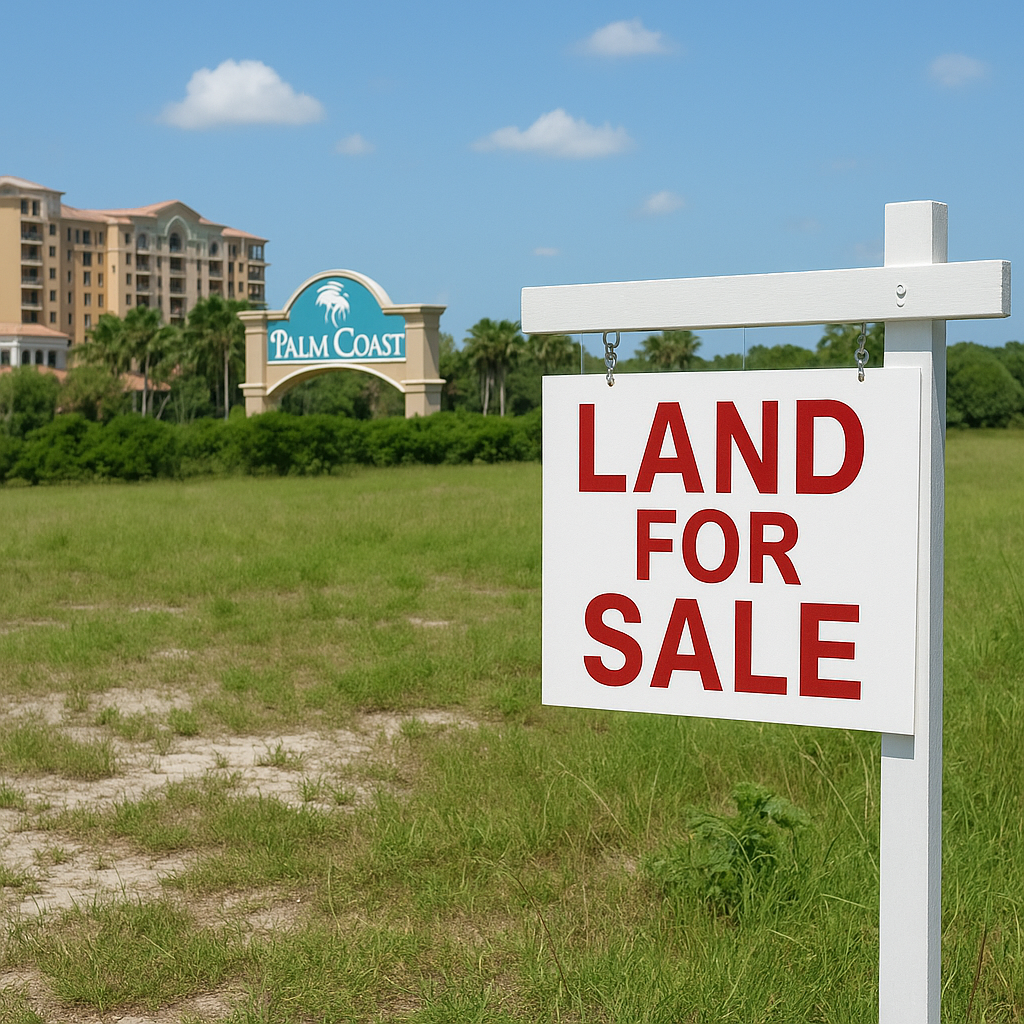
If you inherited a vacant lot in Palm Coast, the first decision is not whether to list it or accept a cash offer. It is whether the estate has a person with legal authority to sign the deed.
That distinction is especially important when the owner died years ago and the parcel has continued to receive Flagler County tax bills in the deceased owner's name. A tax notice, an old will, or an informal family understanding may explain who expects the proceeds, but none necessarily gives a buyer or title company what they need to close.
For an absentee owner, the most efficient way to sell inherited land in Palm Coast is usually to identify the estate path first, then gather only the documents that path requires. That prevents a common and expensive mistake: negotiating a sale before learning that probate, another heir's signature, or a corrective deed is needed.
Begin with the ownership situation, not the county property record
Search the Flagler County property appraiser's website for basic parcel details: the parcel number, legal description, current mailing address, assessed value, and tax status. This is useful background, but it is not a title determination.
Then place the property into one of these four practical situations.
1. The deed already transferred the property to you or the current owners
If a recorded deed puts title in your name, you may be able to sell without an estate proceeding related to this parcel. Still, confirm that the deed lists every owner correctly and that no deceased co-owner remains on title.
A title company will also check for mortgages, judgments, unpaid taxes, municipal liens, association assessments, and other recorded matters. Do not assume a clean tax bill means there are no title items to resolve.
2. The deceased owner had a will, but the estate was never probated
A will names beneficiaries and may nominate a personal representative, but it does not automatically transfer Florida real estate. If the Palm Coast land remained in the decedent's name, a Florida probate attorney may need to determine the appropriate probate process.
The needed process can depend on facts such as the value and type of estate assets, how long ago the person died, whether creditors remain, and whether there are disputes. The eventual court authority or recorded estate documents are what allow a personal representative or heirs, as applicable, to convey title.
3. There was no will
When someone dies without a will, Florida inheritance rules determine who is entitled to the property. That can include a surviving spouse, children, or other relatives depending on the family structure.
This is where families often discover that the people who have been paying taxes or maintaining the lot are not the only people who must participate. A title review and probate guidance can clarify the required signers. Do not rely on verbal waivers from relatives; buyers and title insurers need a transferable ownership record.
4. Probate was completed, but the land was overlooked
An estate can be closed while a vacant lot remains titled to the deceased owner. This happens with small investment parcels, land purchased long ago, or property in a different county from the decedent's residence.
The solution may involve reopening or supplementing the estate process, or recording documents that were never recorded. The right remedy is fact-specific. What matters for the sale is getting the chain of title into a condition the closing agent can insure.
Build the file a buyer and title company will actually use
Once you know the likely ownership path, assemble a concise property and estate file. This will speed up an offer review and reduce repeated requests later.
Include:
- The property address, parcel identification number, and full legal description if available
- A copy of the most recent tax bill and any notice of delinquent taxes or tax certificates
- The deceased owner's death certificate
- The will, trust documents, probate case number, court orders, letters of administration, or recorded distribution deed, if applicable
- Names, mailing addresses, phone numbers, and email addresses for all potential heirs or current owners
- Any old deed, title policy, survey, boundary information, or prior purchase paperwork
- Information about liens, mortgages, homeowners' or property owners' association dues, code enforcement notices, or pending assessments
- Photos and any information you have about lot condition, access, vegetation, wetlands, or dumping
You do not need to solve every issue before requesting an offer. But disclose what you know. A buyer pricing an off-market lot needs to understand whether the transaction is a straightforward estate closing or depends on a probate step that has not begun.
Decide whether to sell during probate or wait for title to be distributed
This is a timing decision, not just a paperwork question.
If a personal representative has been appointed and has the proper authority, a sale may be possible while probate is open. The proceeds generally become part of the estate and are distributed through the estate process. This can be useful when heirs want to avoid carrying taxes, association fees, or lot-maintenance costs while waiting for final distribution.
Waiting until the property has been distributed to heirs can make the sale structure simpler, but it may create a different problem: every heir who receives an interest may need to agree on price and sign at closing. That can be manageable with two cooperative siblings and much harder with a large family spread across several states.
Ask these questions before choosing a route:
- Has a personal representative already been appointed by the probate court?
- Does that person have authority to sell this particular asset?
- Are all heirs in agreement that the land should be sold?
- Is there a reason to sell promptly, such as delinquent taxes, annual association dues, or a planned tax sale?
- Would the estate benefit from having sale proceeds handled through the probate process rather than dividing the land itself among heirs?
A probate attorney can advise on legal authority and the appropriate filing path. A title company can identify what it needs to insure the transfer. Those are separate but complementary roles.
Price the lot after identifying the sale friction
Inherited Palm Coast land is not automatically worth less than other land. But unresolved ownership can reduce the number of buyers willing to commit and can delay closing. Price should reflect the parcel itself and the transaction work required.
Start with the parcel facts that a land buyer will evaluate:
- Location within Palm Coast or greater Flagler County
- Lot dimensions, acreage, road frontage, and access
- Zoning and likely permitted use
- Utility availability and connection requirements
- Flood-zone and drainage considerations
- Wetlands, protected areas, or other environmental constraints
- Nearby sales of genuinely comparable vacant lots
- Taxes, association obligations, and any outstanding balances
Then separate estate-related costs from land-related value. For example, a desirable residential lot may still need a lower net offer if an estate must pay delinquent taxes, fund probate work, or wait for multiple owners to sign. Conversely, a clear, transferable estate interest can make a direct sale relatively simple even when heirs live outside Florida.
Be cautious with online value estimates. They often use broad neighborhood data and do not account for a particular lot's utility setup, dimensions, drainage, title condition, or marketability.
Compare a direct cash sale with a conventional listing
A conventional listing can make sense when title is clear, the lot is readily marketable, and the heirs have time to wait for a retail buyer. It may also be appropriate when the parcel has strong building appeal and an agent who regularly sells vacant land can market its specific advantages.
A direct buyer may be a better fit when the heirs want a defined price and closing timeline, do not live nearby, or prefer not to coordinate showings, marketing, and multiple buyer due-diligence requests. In either case, read the purchase agreement closely.
Before accepting an offer, confirm:
- Who pays for title, closing costs, delinquent taxes, and association balances
- Whether the buyer has an inspection or feasibility period and the right to cancel
- Whether the earnest-money amount and deposit timing are stated
- Whether closing is conditioned on probate, title clearance, or court approval
- The expected closing date and what happens if estate documents take longer
- Whether the buyer is purchasing directly or assigning the contract to another party
Ultimate Land Deals can evaluate Palm Coast-area vacant land for a direct purchase or, when appropriate, connect the opportunity to a buyer seeking off-market residential lots. A clear document package and candid disclosure give the transaction the best chance of moving smoothly through title.
Keep family agreement separate from the closing paperwork
Before signing a contract, have the family discuss the practical issues that commonly derail inherited-land sales: the minimum acceptable net amount, whether anyone wants to keep the property, how expenses will be handled before closing, and how proceeds are expected to be divided.
Put the agreement in writing for the family’s reference, even if the estate attorney ultimately controls how proceeds are distributed. This is not a substitute for legal advice or estate documentation. It is a way to avoid discovering at the signing stage that one heir expected a different outcome.
The cleanest inherited-land sale is rarely the one with the fastest initial offer. It is the one where the seller's authority, title path, property condition, and closing costs are understood early enough that the agreed price can actually reach the closing table.
Questions heirs commonly ask
Can I sell inherited land in Palm Coast if I live in another state?
Often, yes. Remote closings, electronic document delivery, and mobile notaries can reduce the need to travel. The key issue is still who has legal authority to sell and whether the deed can be signed and notarized in a form acceptable to the title company.
Can we sell before probate is finished?
Possibly, if an authorized personal representative is in place and the sale is permitted under the estate circumstances. Do not assume this is allowed simply because all heirs agree. Confirm the process with the probate attorney and closing agent.
What if one heir will not cooperate?
A single heir generally cannot sell the entire parcel without the authority or participation required to transfer all ownership interests. The appropriate next step may involve estate or property legal advice, not simply finding a more flexible buyer.
Do we need to clear unpaid property taxes before listing?
Not necessarily. Taxes and some other charges can sometimes be paid from closing proceeds, but they affect the net amount and must be disclosed. If taxes are delinquent or a tax-certificate or tax-deed process is underway, address it promptly with the title company.