
Jacksonville Beach House With Mold: Preparation Guide
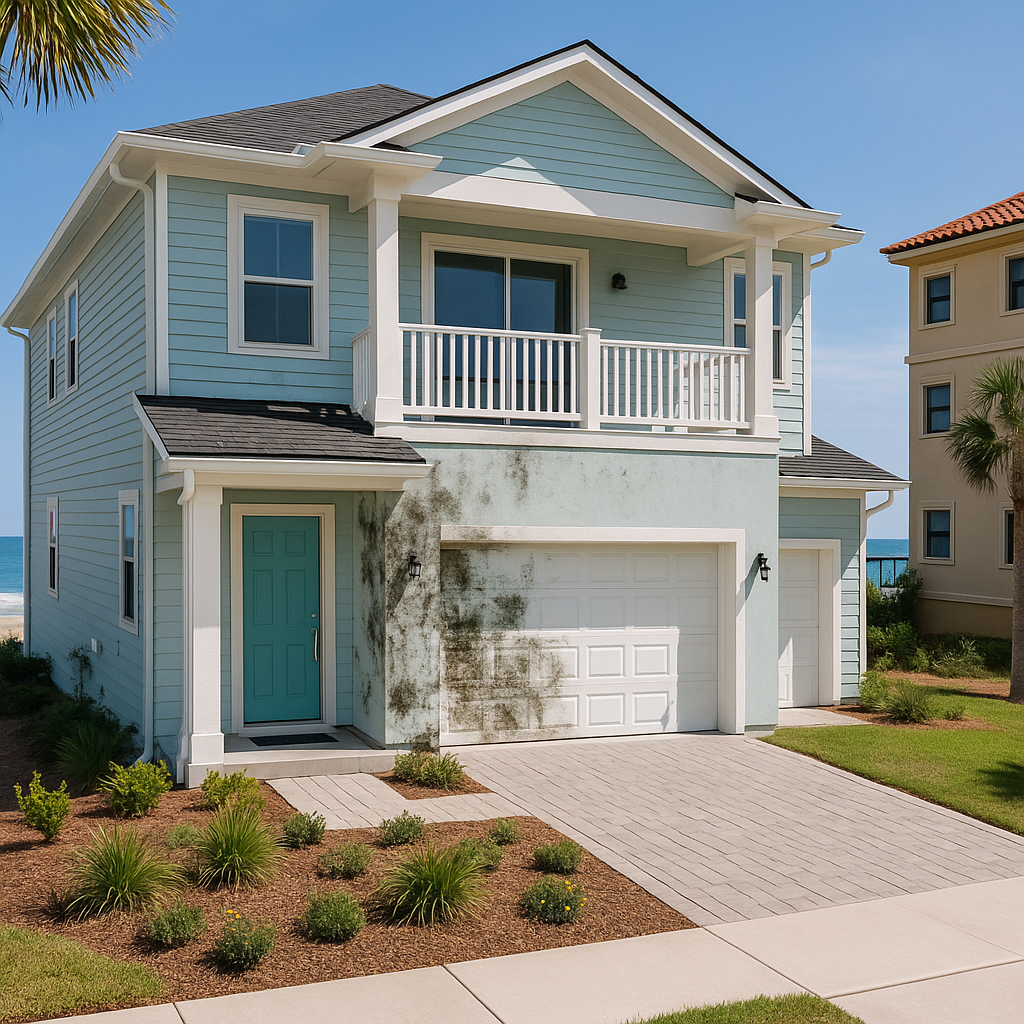
Published by Ultimate Land Deals, a Florida-focused vacant-land buyer, this guide is general homeowner information—not an offer to buy houses, mold-work advice, legal advice, or permitting advice.
If you are preparing a Jacksonville Beach house with mold history for buyer questions, begin with an accurate record of the moisture event, the current condition, and work performed. Do not describe an uncertain condition as resolved.
Start with the moisture history
Mold needs moisture to grow. The Florida Department of Health recommends addressing the moisture source and removing mold growth by cleaning surfaces or removing moldy materials as appropriate. Florida Department of Health mold guidance also states that visible mold growth can usually be seen or smelled and that routine sampling is not recommended simply to determine whether there is a mold problem or identify its type.
Write down what you actually know:
- Where growth, staining, water damage, or odor was found
- When the condition was first noticed
- Whether the source was confirmed, suspected, or remains unknown
- What was repaired, cleaned, removed, or replaced
- What remains visible or unresolved today
- Who performed work and which invoices, photographs, reports, or permits are available
For example, “A plumbing leak was repaired in March and drywall was removed from the lower wall” is more precise than a broad conclusion about the condition of the entire house.
Match the next step to the condition
A small, limited area
The Department of Health says that, in most cases, occupants can handle moldy areas smaller than about 10 square feet. It also recommends gloves and goggles during cleaning, thorough drying, and fixing water leaks that contribute to recurring growth. If the condition returns or spreads, investigate the underlying moisture issue. See the Department’s cleanup guidance.
An unclear scope or recurring condition
Ask a qualified professional what question an inspection is intended to answer—for example, whether moisture remains, what materials are affected, or whether a building-system issue may be involved. Keep the written scope, findings, and stated limitations.
Florida law defines “mold assessment” and “mold remediation” using mold growth or contamination of greater than 10 square feet. The definitions also state that work requiring a Chapter 489 license must be performed by a person licensed under, or complying with, that chapter. Florida Statutes section 468.8411 should be reviewed alongside the actual scope of work and any applicable exemptions or trade-license requirements.
An active leak, odor, or visible growth
Document the current condition and seek advice about the source before making broad statements about repairs. The Department of Health advises that moisture control is central to stopping indoor mold growth and that water leaks should be fixed when addressing mold problems.
Verify permits for the actual construction work
“Mold” is not itself a description of construction scope. Ask the appropriate local building office about the work actually performed or proposed, such as plumbing, roofing, HVAC, demolition, drywall replacement, or structural repair.
Jacksonville Beach publishes permit procedures, application forms, and construction-document requirements for work reviewed by its Building Division. Its page says construction documents must show the location, nature, and extent of proposed work and demonstrate conformity with applicable code and laws as determined by the Building Official. Jacksonville Beach permit filing requirements.
Before closing walls or describing work as complete, ask:
- Which local office should review this property and scope?
- What was removed, replaced, or altered?
- Is a permit application or inspection required for that work?
- If a permit was issued, what is its current status?
- What documents should be retained for the property file?
Keep written answers and permit records where available.
Assemble a factual condition packet
A concise file can help keep the discussion focused on dated records rather than assumptions. Include:
- A timeline of leaks, moisture events, odors, or visible growth
- Dated photographs before, during, and after work
- Repair invoices and work scopes
- Reports from any assessment or cleanup provider, including limitations
- Receipts for removed or replaced materials
- Applicable permit, inspection, and final-approval documents
- A list of known remaining concerns
If a question involves contract language, disclosure, insurance, financing, or a disputed condition, obtain advice from an appropriate Florida professional before relying on general information.
Questions to ask before speaking with buyers
- What facts can you support with records?
- Is the moisture source confirmed, suspected, or unknown?
- Are there active leaks, odors, staining, or incomplete repairs?
- Have related construction and permit questions been directed to the appropriate local office?
- Does your description distinguish past work from current conditions?
Sources
- Florida Department of Health: Mold guidance
- Florida Statutes section 468.8411: Definitions for mold-related services
- City of Jacksonville Beach: Permit filing requirements
This article is general information, not legal, medical, engineering, mold-remediation, or permitting advice.