
Selling Golden Valley Land With Mineral Rights: Records to Review
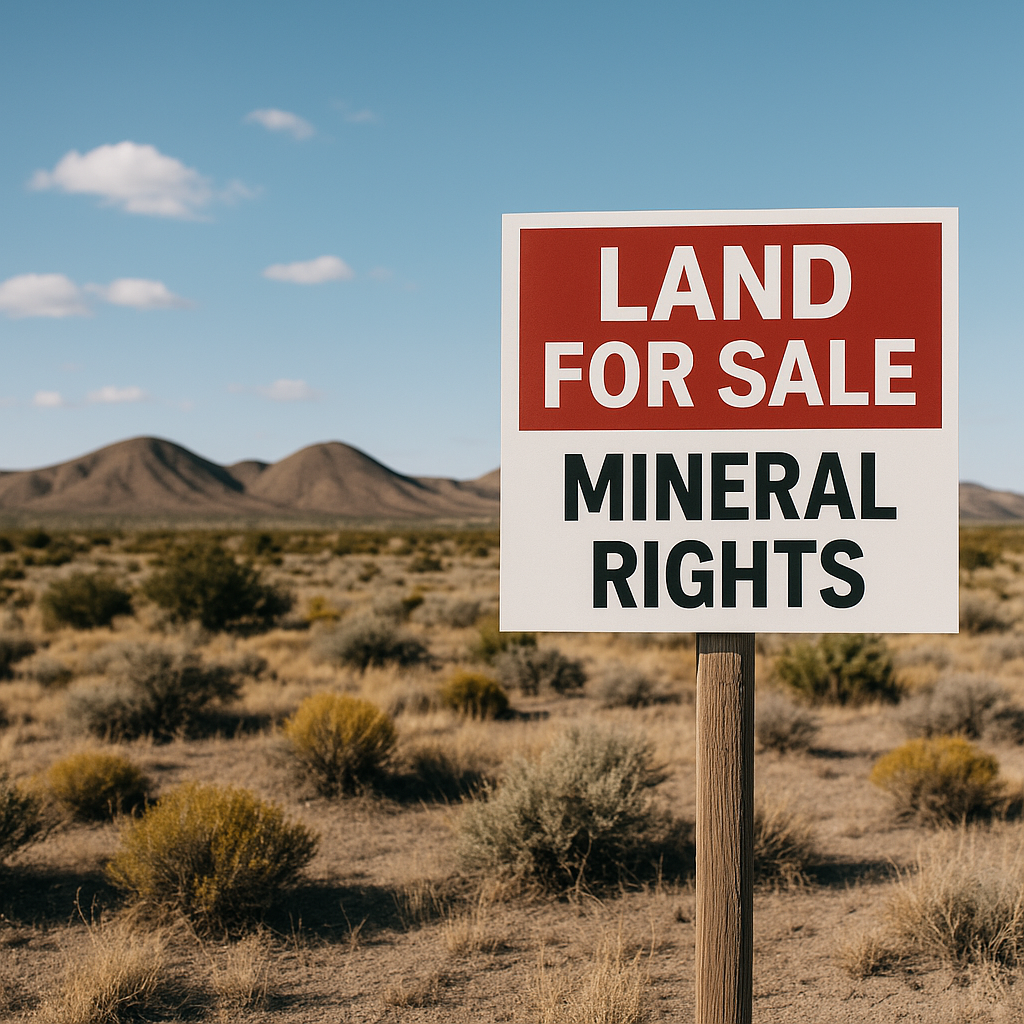
Selling Golden Valley Land With Mineral Rights: Make the Offer Match the Record
Published by Ultimate Land Deals.
If you are considering a sale of Golden Valley land and are unsure whether mineral rights are part of the interest you can convey, avoid advertising “mineral rights included” before the relevant documents have been reviewed. A useful goal is to make the written offer and proposed deed match the interest identified in the available records.
Do mineral rights automatically transfer with the land?
Treat this as a document and title question for the particular parcel.
Arizona Revised Statutes § 42-17154 addresses a situation where the owner of minerals or mineral rights does not also own the remaining interest in the land. In that circumstance, the statute provides that taxes on the minerals or mineral rights are not a lien on the remaining land interest, and taxes on the remaining land interest are not a lien on the separately owned minerals or mineral rights. It also addresses the effect of tax sales involving those interests. A.R.S. § 42-17154
That statute does not identify the owner of a particular parcel’s mineral interest or state what a particular deed conveys. If ownership or deed language is uncertain, consider asking a title professional or attorney to review the relevant recorded documents.
A cautious pre-sale statement is:
“Mineral ownership and the interest to be conveyed are subject to review of the recorded documents and closing/title work.”
Which records should I gather before requesting offers?
Consider assembling a focused packet for the people reviewing the transaction:
- Your current deed, including the legal description and all pages.
- Earlier deeds you already have.
- Recorded documents in your files that mention minerals, mineral rights, reservations, or exceptions.
- Parcel-identification information, such as the parcel number, legal description, owner name, and approximate recording dates.
- Prior title materials and correspondence, clearly identified as background materials.
If county records identify the parcel as being in Mohave County, the Recorder’s Recording Division says it maintains and preserves the county’s official public records. It says it records and indexes documents including deeds, mortgages, liens, releases, affidavits, and maps, and that it provides certified copies and public access through online and in-office services. Mohave County Recorder — Recording
Can I use the Mohave County online index?
If the parcel is in Mohave County, the county’s self-service recorder disclaimer says its grantor/grantee index covers official records from 1988 to the present. It says searches use party names and approximate transaction dates.
The same disclaimer cautions that legal descriptions shown in the index are provided as a courtesy and are not verified. It also says a document being researched may not be recorded with that office and that the index is not a final source of documentation for property-title transfers or legal matters. Mohave County Recorder online-search disclaimer
Use the index as a starting point for locating records. If you locate a document you cannot interpret, consider asking a title professional or attorney a focused question such as: “What interest does this document show, and what interest would the proposed deed convey?”
What should I ask before accepting an offer?
Ask for the proposed transaction terms in writing. Useful questions include:
- What interest does the offer assume will be conveyed?
- Does the buyer request review of particular deeds or recorded documents?
- What language will the purchase agreement and proposed deed use to describe the interest conveyed?
- What due-diligence, title, closing, payment, or assignment terms are included in the written offer?
Compare the written terms, requested documents, conditions, and proposed conveyance—not only the stated price.
Should I use a direct buyer, an agent, or sell independently?
The route you choose can be compared by the communications and documents each route requires.
| Route | Practical question to ask |
|---|---|
| Direct buyer | What documents and conveyance language does the buyer want reflected in the written offer? |
| Agent | How will the listing describe mineral ownership without making an unsupported statement? |
| Independent sale | What professional review do you want before using a purchase agreement or deed? |
Whichever route you choose, keep copies of documents you provide and avoid representing that a mineral interest is included unless the records and transaction documents support that statement.
What if I cannot confirm mineral ownership before discussing a sale?
You can describe the uncertainty plainly. Provide the documents you have, identify documents you have not located, and ask the prospective buyer what it wants reviewed. If the parcel is in Arizona, the statute cited above shows that minerals or mineral rights can be separately owned from the remaining land interest in the circumstances it describes. A.R.S. § 42-17154
This article is general information, not a title opinion or legal advice.