
Sell a Florida Lot With Protected Species: Seller FAQ
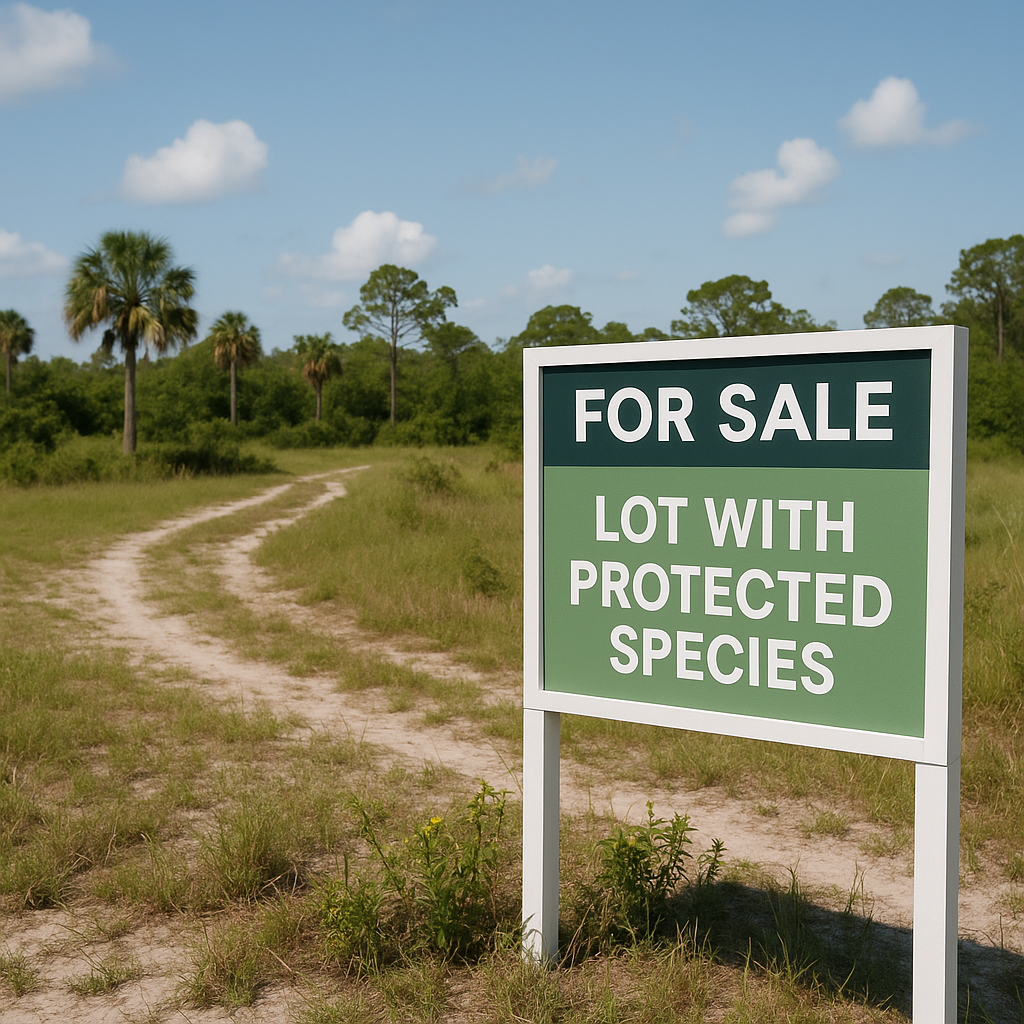
Selling a Florida Lot With Protected Species Questions: Keep the Unknowns Useful
If you are selling a Florida lot with a wildlife or habitat question, avoid representing that no protected species are present or that a future project will be approved. Instead, identify what raised the question, provide the records you actually have, and state what remains unconfirmed.
Published by Ultimate Land Deals.
What should I do first?
Create a short file for the parcel that separates records from assumptions. Include the parcel identification information, dated photographs or map images, any prior report, and any agency correspondence you possess.
Also record the source of the concern. For example, distinguish between:
- your own dated observation;
- a neighbor's comment;
- an older parcel-specific report; and
- an unverified impression from an aerial image.
Do not present one type of information as though it were another. A seller who has no species report can simply say so.
Is a sighting the same as a project conclusion?
No. A wildlife observation and a conclusion about a particular buyer's proposed work are different statements. Describe an observation by date and location if known, identify an existing report by its date and author, and avoid stating that the parcel can or cannot support a future use unless the relevant record actually says that.
A concise disclosure can read:
“Seller has received or holds the attached dated material relating to a wildlife or habitat question for this parcel. Seller is providing it for review and is not representing a conclusion about current site conditions or a buyer’s intended use. Buyer should conduct the investigations it considers appropriate.”
Adjust that language to match the actual record.
What should a buyer check with FWC?
For proposed work that could affect protected wildlife or habitat, use the applicable Florida Fish and Wildlife Conservation Commission resources rather than treating every question as the same permit issue. FWC states that planning to avoid impacts where protected species or essential habitat may be on a proposed project can prevent a permit need, while a permit may be necessary if listed-species take cannot be avoided. FWC: Avoidance and Permitting
FWC's protected-wildlife materials explain that its permits address activities that may cause take and distinguish intentional from incidental take. FWC: Protected Wildlife Permits
Gopher tortoises require separate attention. FWC states that gopher tortoises and their burrows are protected by state law and that a relocation permit must be obtained before disturbing burrows and conducting construction activities. FWC also states that disturbance includes work within 25 feet of a burrow. FWC: Gopher Tortoise Permits
A focused inquiry can identify the parcel, county, proposed activity if known, and the exact document or observation being questioned. Keep a copy of both the inquiry and any response.
Do I need to know costs or a permit outcome before accepting an offer?
Do not guess about cost, timing, approval, mitigation, or a project outcome when you do not have a parcel-specific basis for doing so. A seller can instead decide whether to obtain more information, allow a buyer time for diligence, or proceed with the question identified in the written agreement.
Before signing, read the actual offer and identify who is responsible for further investigation, what diligence rights apply, and what happens if the buyer's investigation changes its decision.
Which selling route fits an unresolved question?
The practical comparison is how the question will be handled:
| Route | Practical question for the seller |
|---|---|
| Direct buyer | What records does the buyer want, and what diligence rights are written into the agreement? |
| Agent-assisted sale | Can the same records and careful description be provided to each prospect? |
| Independent sale | Can the seller organize inquiries and provide the same known materials consistently? |
No route changes the underlying records. The useful handoff is a folder containing parcel identification, the available wildlife-related materials, and a short list of unanswered questions.