
Rolling Hills FL Vacant Lot: Parcel Research Guide
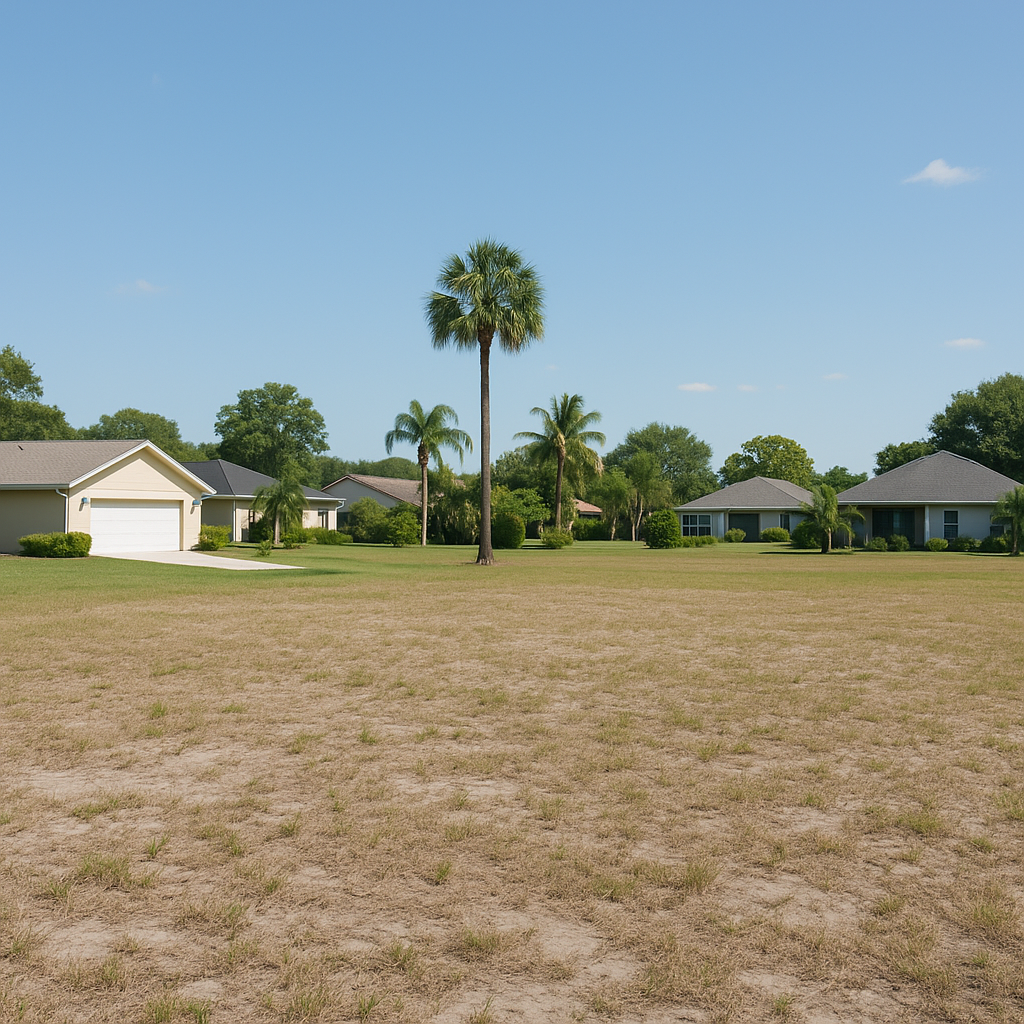
Ultimate Land Deals prepared this guide to help readers research a vacant lot described as being in “Rolling Hills, FL.” Start with the county, parcel identification number, and legal description, then verify the property with the agencies responsible for the site.
Start with the exact parcel
Before relying on a listing description, gather:
- County
- Parcel identification number
- Legal description
- Lot, block, and subdivision unit, if available
- Street address, if one exists
These details help ensure that questions about zoning, permits, and site conditions concern the correct tract.
Use the Marion County map as an initial research tool
For property in Marion County, the county’s GIS Interactive Map provides access to parcel and property information, zoning, future land use, overlay zones, aerial imagery, and geographic reference layers. The county states that the map is for informational purposes and that users should verify information through official records and applicable county departments.
Use the map to identify questions for the parcel, such as:
- What zoning and future-land-use labels are displayed?
- Are parcel boundaries and surrounding features consistent with the records you have?
- Are there overlays or other mapped features to ask the county about?
Ask the relevant county department to confirm the information needed for the intended project.
Separate zoning research from the building-permit decision
A prospective owner should ask about the proposed use and structure, rather than relying only on a zoning label. For example, identify the planned house footprint, accessory structures, driveway, and water or wastewater approach before seeking project-specific guidance.
Marion County’s Building Safety permitting FAQs state that building permits are required for covered construction work, subject to listed exceptions. The same page identifies new residential structures among the common permits requiring plan review.
For a proposed build, confirm with Building Safety what application, review, plans, and inspections apply to the exact project.
Address septic permitting early
Wastewater planning is a separate part of vacant-lot research. The Florida Department of Environmental Protection’s onsite sewage permitting FAQ states that DEP is permitting onsite sewage treatment and disposal systems in Marion County. DEP’s transition timeline lists Marion County’s transition date as July 1, 2025.
DEP instructs applicants in Marion County to submit an application form, site plan, building floor plan, and required information through its listed process. Its FAQ also states that a site evaluation assesses soil, topography, and other conditions for suitability for onsite sewage installation. Ask DEP about the proposed site and planned use before treating septic as part of the lot’s value or build plan.
Keep a parcel research file
For a purchase, hold, or sale decision, retain the parcel number, legal description, map research, written agency responses, and project-specific permit information. Ask qualified professionals and the relevant agencies the questions that apply to the intended use before making representations about what can be built.
FAQs
What should I use to research a lot described as Rolling Hills?
Use the county, parcel identification number, legal description, and any available lot, block, and subdivision-unit information when requesting parcel-specific guidance.
Can I use Marion County’s GIS map for initial research?
Yes. The county map provides parcel, zoning, future-land-use, overlay, and aerial information, but the county says users should verify information with official records and applicable departments.
Is zoning research the same as a building permit?
Marion County states that building permits are required for covered construction work, and new residential structures are among the permits commonly requiring plan review. Confirm project-specific requirements with Building Safety.
Who handles septic permitting in Marion County?
Florida DEP is permitting onsite sewage treatment and disposal systems in Marion County. DEP lists Marion County’s transition date as July 1, 2025.