
Port Charlotte Vacant Lot Value Estimate: Verify Before Pricing
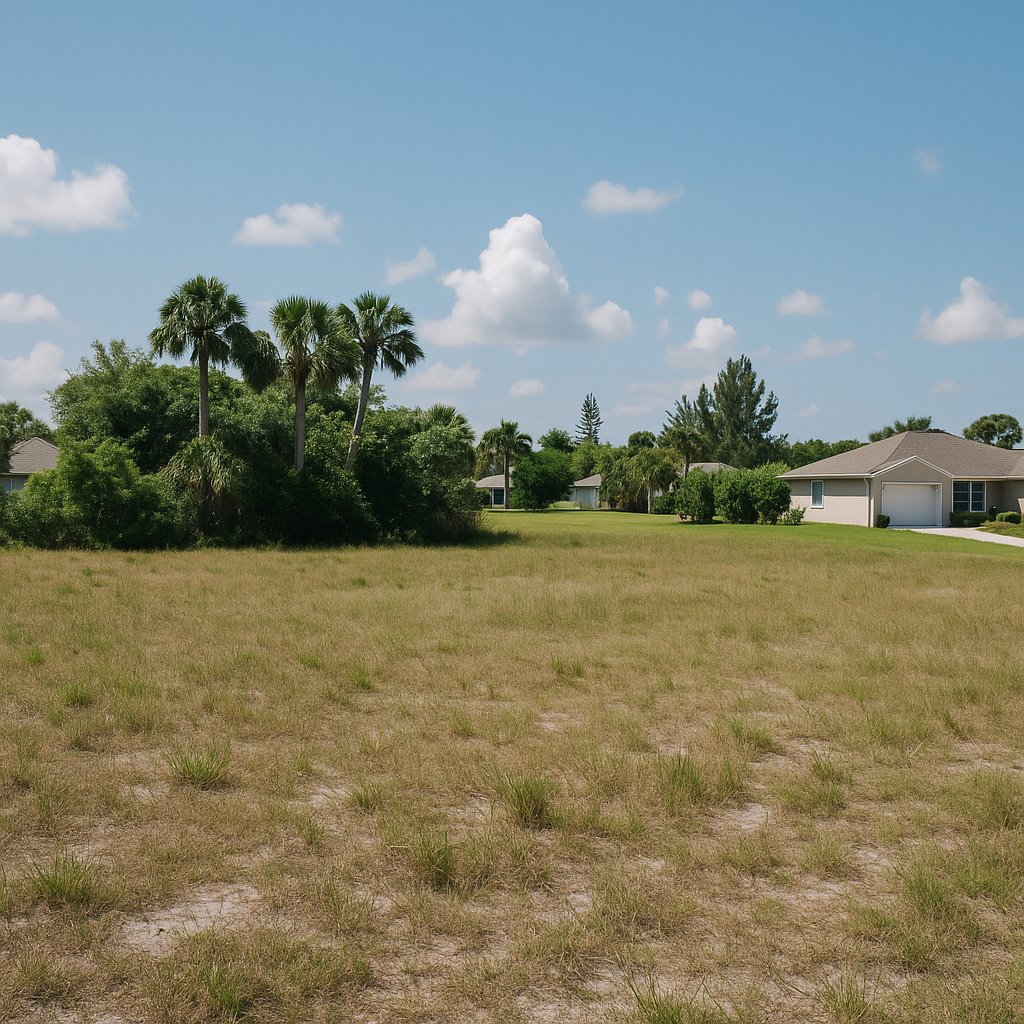
A credible Port Charlotte vacant lot value estimate is a range, not a promise. Start by identifying the exact parcel, gathering comparable-sale information you can verify, and listing the questions a buyer will ask before treating a nearby price as a usable comparison.
Ultimate Land Deals publishes information for owners considering vacant-land sales in Port Charlotte. Its remote-sale process overview describes contacting a buyer with parcel information and reviewing written transaction terms. Any buyer’s interest, price, contingencies, and closing terms should be confirmed directly in writing.
The useful question is not simply, “What are lots selling for in Port Charlotte?” It is: What information can I verify about this particular parcel, and how might unresolved questions affect an offer?
Start with the parcel identity
Use the parcel ID and legal description as the starting point for your file. The Charlotte County Tax Collector identifies the parcel ID as a unique number assigned to each property. Its tax-bill guidance also identifies assessed value, exemptions, total taxes, and notices of prior-year taxes due. Charlotte County Tax Collector: Property Tax
Keep a compact file containing:
- Parcel ID and legal description
- Current tax bill or account details
- Names of the owners who may need to sign
- Any deed, probate, or ownership-change documents you have
- Notes on questions a potential buyer should verify
This gives you a consistent reference point when comparing sales, speaking with prospective buyers, or reviewing an offer.
Use tax information as context
A real-estate tax bill is useful for understanding the account, but it should not be the only basis for a sale price. The Tax Collector explains that real-estate tax bills combine ad valorem taxes and non-ad valorem assessments. It also explains that assessed value is the value assigned for tax purposes and that exemptions reduce taxable value. Charlotte County Tax Collector: Property Tax
For an owner estimating value, record the figures shown on the bill and then avoid treating any one tax figure as a guaranteed retail price or direct-buyer offer.
| Item on the tax record | Practical use when estimating |
|---|---|
| Parcel ID | Confirm that research and buyer discussions concern the correct property. |
| Assessed value | Keep as tax-record context, not as a stand-alone price conclusion. |
| Exemptions | Note them because they affect taxable value. |
| Prior-years taxes due notice | Verify the account status before estimating potential proceeds. |
| Total taxes and assessments | Include them in the questions to resolve before closing. |
The Tax Collector states that real-estate tax bills are mailed on or before November 1 and that taxes become delinquent April 1, when interest and advertising costs are added. Check the current account rather than relying on an older bill. Charlotte County Tax Collector: Property Tax
Build a comparison range carefully
Nearby listings can help you find lots to investigate, but a requested price is not the same as a completed transaction. Build a range from recent transfers you can substantiate, and write down why each comparison is relevant to the subject parcel.
For each possible comparison, record:
- Location and subdivision description
- Lot size and dimensions, if available
- Transfer date and consideration you can verify
- Whether it appears to involve one parcel or multiple parcels
- Similarities and differences that a buyer may care about
Do not assume that a high nearby transfer applies to your lot. Instead, identify the facts that still need confirmation for both the comparison and the subject parcel.
Keep an unresolved-questions ledger
A useful estimate separates verified information from questions that remain open. Rather than declaring a lot buildable, unbuildable, exempt, or ready for a particular use, ask the relevant party to verify the parcel-specific issue.
Examples include:
- What use does the prospective buyer intend?
- What parcel documents does the buyer need before making or finalizing an offer?
- Are there taxes or assessments that should be addressed before closing?
- Are there recorded documents or ownership matters that require review?
- Who will pay which closing costs, and are there inspection or due-diligence contingencies?
The Charlotte County Clerk’s guidance explains that recording a certified judgment can create a lien against real property in Charlotte County and identifies its Official Records Division locations. If a recorded matter could affect your transaction, raise it with the appropriate closing professional and ask what documentation is needed. Charlotte County Clerk of Court: Recording information
Turn the range into a pricing decision
After assembling the available information, classify the estimate honestly:
- Documented range: You have identified the parcel and have supportable comparison information.
- Range with open questions: You have a preliminary comparison set, but one or more material items still need verification.
- Too uncertain to price confidently: Key ownership, tax, recorded-document, or buyer-use questions remain unresolved.
This approach does not create false precision. It helps you decide whether to market the property, gather more documentation, or request written offers and compare their terms.
Compare sale routes by terms, not labels
Whether you market independently, use an agent, or consider a direct buyer, compare the written economics and obligations:
- Proposed price
- Closing date
- Due-diligence or inspection conditions
- Assignment rights
- Responsibility for taxes, assessments, and closing costs
- Documents required from the seller
- Any unresolved recorded or ownership matters
A direct offer is a transaction option, not a universal measure of market value. Ask the potential buyer directly whether the parcel fits its criteria, then compare the written offer with the time, effort, and uncertainty involved in other sale routes.
FAQs
Can I use a nearby listing price for my Port Charlotte vacant-lot estimate?
Use it as a lead for research, not as proof of value. Seek transactions you can verify and record the ways the parcels differ.
Can assessed value help estimate what my lot may sell for?
Assessed value is a property-tax figure, not a stand-alone estimate of a future sale price. Florida calculates assessed value as just value minus applicable assessment limits, and the assessment date is January 1. Use it as tax-record context, then compare parcel-specific, verifiable sale information and transaction terms. Florida Department of Revenue: Property Tax Information for Taxpayers Florida Statutes § 192.042: Date of assessment
What should I verify before accepting an offer?
Confirm the parcel identity, the seller names required to sign, tax-account status, the buyer’s intended terms, due-diligence conditions, closing costs, and any documents requested for closing.
Sources
- Charlotte County Tax Collector — Property Tax
- Charlotte County Clerk of Court — Recording information
- Florida Department of Revenue — Property Tax Information for Taxpayers
- Florida Statutes § 192.042 — Date of assessment
- Ultimate Land Deals — Digital process to sell vacant land in Port Charlotte
A defensible estimate is a range supported by information you can verify and a clear list of questions still awaiting answers.