
Palm Coast Land Buyers for Absentee Owners: Seller Checklist
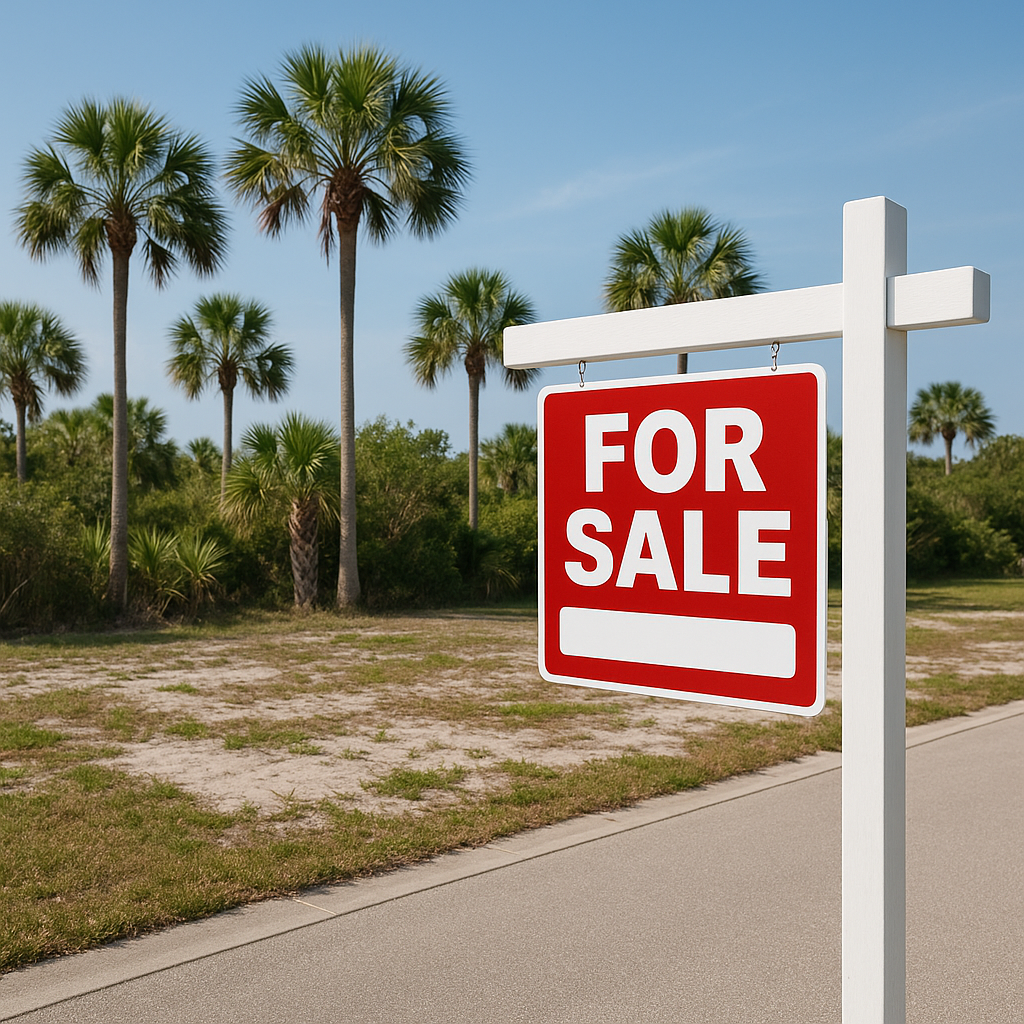
An absentee owner can compare offers for a Palm Coast-area lot without traveling, but convenience should not mean accepting unclear terms. Before signing, confirm the parcel, tax status, contract deadlines, closing process, and assignment language. Then compare the written terms—not just the headline price.
Ultimate Land Deals publishes this guide for owners considering their options. The practical question is simple: what does the written agreement require, and who is responsible for each step before closing?
Treat the first offer as a document review, not only a price decision
Ask for a complete written agreement or offer summary before committing. It should identify:
- the exact parcel by address and/or parcel identification number;
- the purchase price and earnest-money or deposit amount;
- the proposed closing date;
- every inspection, feasibility, title, access, environmental, survey, or financing contingency;
- the proposed title company, settlement agent, or closing attorney;
- which party pays title, recording, transfer, tax, lien, and closing-related costs;
- how delinquent taxes or other known charges will be handled; and
- whether the buyer may assign the contract.
A short offer can still be worth considering, but unanswered items should be resolved in writing. For example, a statement that the buyer pays closing costs does not identify every charge that may affect seller proceeds.
Confirm the parcel location before relying on land-use information
Do not use a mailing address alone to identify the authority or resources relevant to a parcel. Use the City of Palm Coast’s official City Limits GIS layer as one reference to determine whether a parcel appears to be within City limits. The City describes updates to that layer as geographically verified from surveyed legal descriptions and completed under passed ordinances.
After identifying the parcel’s location, use the relevant City and County resources for further questions. The City’s Planning and Zoning page provides zoning and future-land-use maps and describes the division’s planning, development-review, and application responsibilities. Flagler County GIS provides map, zoning, future-land-use, road, and City-specific GIS resources (Flagler County GIS).
Before describing the property to buyers—or relying on a buyer’s description—ask:
- What do the applicable mapping and planning resources identify for this parcel?
- What is the current zoning designation and what information is available about permitted uses?
- Are there questions about lot dimensions, setbacks, access, flood conditions, wetlands, drainage, utilities, easements, or recorded restrictions that should be investigated?
- Is the buyer evaluating the lot as a homesite, an investment hold, or for another intended use?
For a parcel within the City, contact Palm Coast Planning & Zoning with the parcel number to ask what zoning, land-development, and application information is available. The City publishes maps, but seek parcel-specific guidance when it is needed for your decision.
If you do not know the answer to an access, utility, or site-condition question, describe it as unverified and ensure the agreement clearly states how the buyer’s due diligence will be handled.
Pull tax status out of the negotiation fog
Tax status is an early item to check in a remote transaction. The Flagler County Tax Collector states that real-estate taxes become delinquent on April 1. Unpaid real-estate taxes as of June 1 are subject to the annual tax-certificate sale process.
A tax certificate is not a purchase of the property. The Tax Collector describes it as an enforceable first lien against the property for unpaid real-estate taxes, not ownership of the land (tax certificate information).
Check the parcel directly with the Tax Collector and preserve a dated copy of what you find. Then ask the closing professional for a proposed settlement statement showing:
- delinquent tax amounts and applicable charges;
- any tax-certificate redemption amount or other payoff identified for closing; and
- whether each amount will come from sale proceeds or be paid separately.
Do not rely only on an old tax bill or a general statement about back taxes. Ask for current, parcel-specific information.
Keep assignment language visible
An assignment provision is a contract term that should be read before signing. Ask these questions directly:
- Will the named buyer be the party taking title at closing?
- Does the agreement permit assignment without your consent?
- What does the agreement say about the original buyer’s obligations if there is an assignment?
- What does the agreement say about changes to the closing date, contingencies, or other terms?
- Will you receive written notice of an assignment and the new closing contact?
There is no single preferred answer for every seller. What matters is that the price, deadline, contingencies, and assignment terms in the agreement match the transaction you intend to accept.
Choose the selling route based on the problem you need solved
A direct buyer is one route, not necessarily the best route for every vacant lot.
| Route | May fit when | Main tradeoff to examine |
|---|---|---|
| Direct buyer | You want to evaluate a specific written offer and a defined closing process. | Compare estimated net proceeds, contingency length, buyer identity, and assignment terms. |
| Land-focused agent | The parcel may benefit from broader exposure and you want marketing assistance. | Review the listing agreement, marketing plan, commission, and listing duration. |
| Sell independently | You have time to gather records, respond to inquiries, and manage negotiations. | You handle marketing, buyer screening, contract review, and closing coordination. |
Compare each route using the same worksheet: expected price, known costs, proposed closing date, contingencies, and your own time commitment.
Make remote closing a verified process
For the land interests covered by Florida Statutes section 689.01, the instrument must be in writing and signed in the presence of two subscribing witnesses. The statute provides that this witnessing requirement may be met electronically through audio-video communication technology as defined by Florida law (Florida Statutes section 117.201).
Confirm the signing procedure with the title, settlement, or legal professional handling your transaction. Ask how documents will be delivered, witnessed, notarized, and returned for your circumstances.
Before sending signed documents or banking information:
- Independently contact the title or settlement company using a trusted public contact method.
- Confirm that it is handling the named parcel and identify your closing contact.
- Confirm the document-signing and return process.
- Verify wire instructions by phone with a known contact rather than relying only on an email.
- Review the settlement statement before signing, including taxes, payoffs, title charges, and expected seller proceeds.
A practical decision point
Keep unknowns visible. Ask for a written offer, read its due-diligence and assignment provisions, confirm the proposed closing contact, and compare the terms with other available selling routes. If basic parcel, tax, or closing questions remain unanswered, pause before signing.
FAQs
Can I sell a Palm Coast-area lot without coming to Florida?
Possibly. Confirm the execution procedure with the professional handling the transaction. For the land interests covered by Florida Statutes section 689.01, electronic witnessing may satisfy the statutory witnessing requirement through qualifying audio-video communication technology, but the procedure for a particular transaction should be confirmed in advance.
Does a Palm Coast mailing address identify the relevant land-use authority?
Do not rely on the mailing address alone. Use the City Limits GIS layer as one official reference, then use the applicable City or County planning and mapping resources for further questions.
If there is a Flagler County tax certificate, has the certificate holder bought my land?
No. The Flagler County Tax Collector states that a tax certificate is a lien for unpaid real-estate taxes, not a purchase of the property. Obtain current parcel-specific information and ask how it would be handled at closing.
Should I reject every offer that allows assignment?
Not necessarily. Read the agreement and ask what it says about assignment, deadlines, contingencies, notice, and the original buyer’s obligations. Decide whether those written terms fit your priorities.
Sources
- City of Palm Coast: City Limits GIS layer
- City of Palm Coast: Planning and Zoning
- Flagler County: Geographic Information Systems
- Flagler County Tax Collector: Search or Pay Property Taxes
- Flagler County Tax Collector: Tax Certificate Information
- Florida Statutes, section 689.01
- Florida Statutes, section 117.201