
North Carolina Land Road Maintenance Agreement Guide
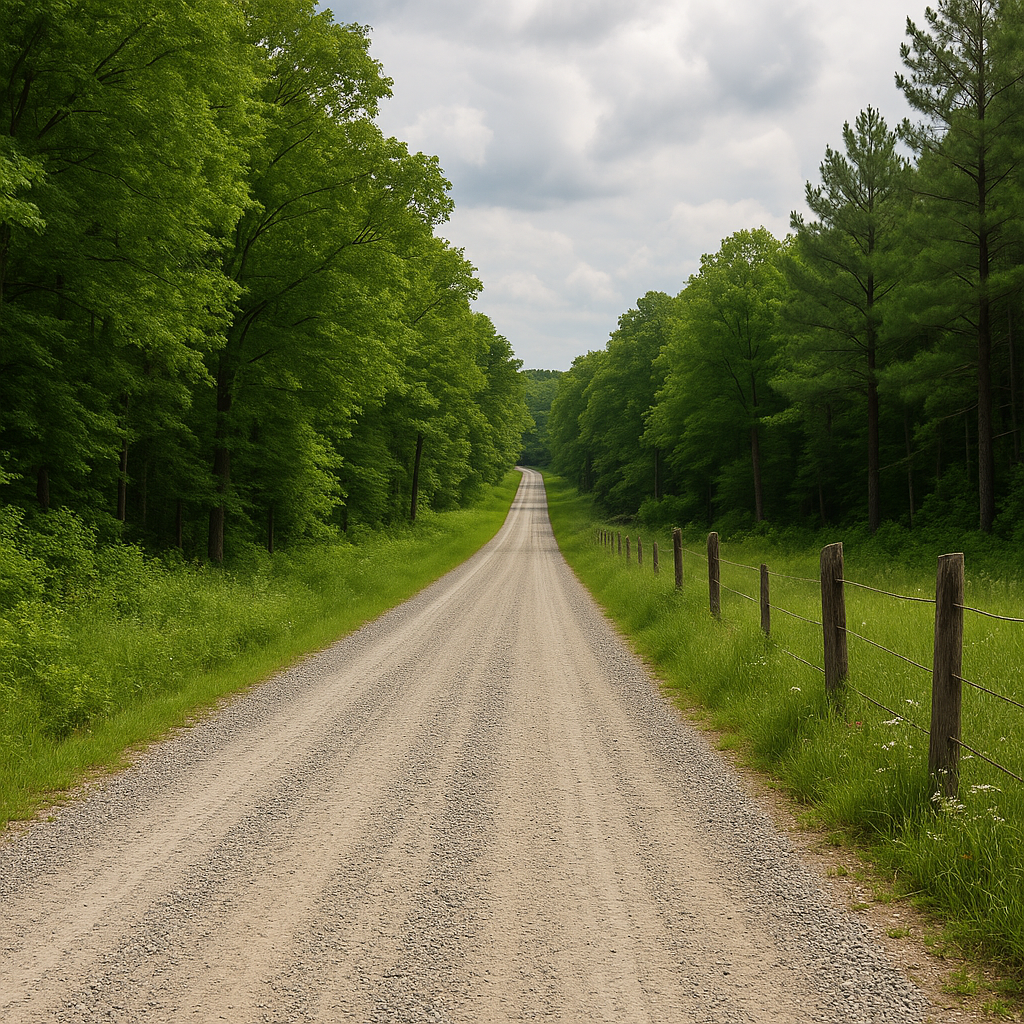
North Carolina Land Road Maintenance Agreement Guide
A road-maintenance agreement can be an important record for a North Carolina landowner preparing to sell property served by a private or unclear road arrangement. Keep road-maintenance information separate from the records that identify the route or right-of-way serving the parcel.
Ultimate Land Deals publishes this general-information guide. It is not legal advice.
Start by checking the road-maintenance status
NCDOT publishes two resources for looking up roads in its maintenance system: a database for secondary roads and a GIS-based map. NCDOT states that roads not highlighted on the map are either private or may be maintained by a municipality. Use the exact road name and location, and contact the appropriate agency if clarification is needed. NCDOT Road Maintenance & Maintenance Request FAQs
A map result is a useful starting point. Preserve the lookup result with the road name, nearby intersections, and parcel map rather than treating a road label alone as a complete answer.
Keep access, designation, and maintenance records separate
Prepare separate records for these questions:
- Route to the parcel: the deed, recorded easement, plat, survey, or other record that identifies the route or right-of-way.
- Street designation: whether the applicable recorded plat or map identifies a street as public or private.
- Maintenance arrangement: any road-maintenance agreement, declaration, association materials, notices, invoices, or payment records.
- Current condition: dated photographs and records of known repair discussions, drainage work, gates, or other road-related notices.
For subdivisions within the scope of G.S. 136-102.6, street rights-of-way must be shown on the recorded map or plat, and streets must be designated public or private. The statute provides that a street designated public is conclusively presumed to be an offer of dedication to the public. G.S. 136-102.6
The statute also distinguishes approval from acceptance. A certificate of approval is not deemed acceptance of dedication. Final acceptance by the Division of Highways and placement on the State highway system for maintenance is conclusive proof that the streets were constructed according to the applicable minimum standards. G.S. 136-102.6
Build a concise road file
Where available, assemble:
- The deed received when the parcel was acquired;
- Recorded easement, shared-drive, or road-maintenance documents;
- The applicable subdivision plat or survey;
- Declarations, covenants, bylaws, and association communications mentioning the road;
- Assessment notices, payment records, invoices, and budgets;
- Notices concerning repairs, drainage, access controls, or disputes; and
- A dated note recording whom you contacted about road status and what was reported.
Preserve book-and-page references, instrument numbers, and plat references exactly as shown in the records. If an agreement cannot be located, identify the documents reviewed and provide the deed and plat that are available. Do not state that no obligation exists without further review.
When an owners' association is involved
If a road is part of a planned community's common elements, association records may be relevant. Unless its articles of incorporation or declaration provide otherwise, an owners' association may adopt budgets, collect assessments for common expenses, make contracts, and regulate the maintenance, repair, replacement, and modification of common elements. G.S. 47F-3-102
The same statute permits an association to suspend certain privileges or services for unpaid amounts or violations, but excepts rights of access to lots. It also permits reasonable charges for preparing statements of unpaid assessments, subject to the statute's stated limits. G.S. 47F-3-102
Ask the association for the governing documents and a current written statement of amounts shown as unpaid. Confirm with the association and appropriate transaction professionals how any item should be handled for the proposed sale.
Questions to answer from the records
Use the available documents to prepare factual answers to these questions:
- Which parcels or owners appear to participate in the arrangement?
- Does the document describe how expenses are allocated?
- Who can authorize work or collect funds?
- Is a road manager, committee, association, or other contact identified?
- Are there notices of unpaid amounts, planned work, or proposed assessments?
- Do the records mention gates, drainage, road use, or construction traffic?
Describe missing information as unavailable rather than filling gaps with assumptions.
FAQ
How can I check whether NCDOT maintains a road?
Use NCDOT's secondary-road database or GIS-based maintenance map. NCDOT says that roads not highlighted on the map are either private or may be maintained by a municipality. NCDOT Road Maintenance & Maintenance Request FAQs
Does a public designation on a plat establish State maintenance?
Do not assume so. Under the cited statute, public designation is an offer of dedication, while final acceptance and placement on the State highway system for maintenance are separate matters. G.S. 136-102.6
What if no road-maintenance agreement is available?
Provide the records that are available, identify what was searched, and ask the relevant title, legal, association, or agency contact what additional records should be reviewed for the transaction.
Resources
- NCDOT Road Maintenance & Maintenance Request FAQs
- North Carolina G.S. 136-102.6: Subdivision streets
- North Carolina G.S. 47F-3-102: Owners' association powers
For a proposed sale, verify parcel-specific road, access, title, and association questions with the appropriate professionals and agencies.