
New Jersey Coastal Teardown Lots: Questions for Builders
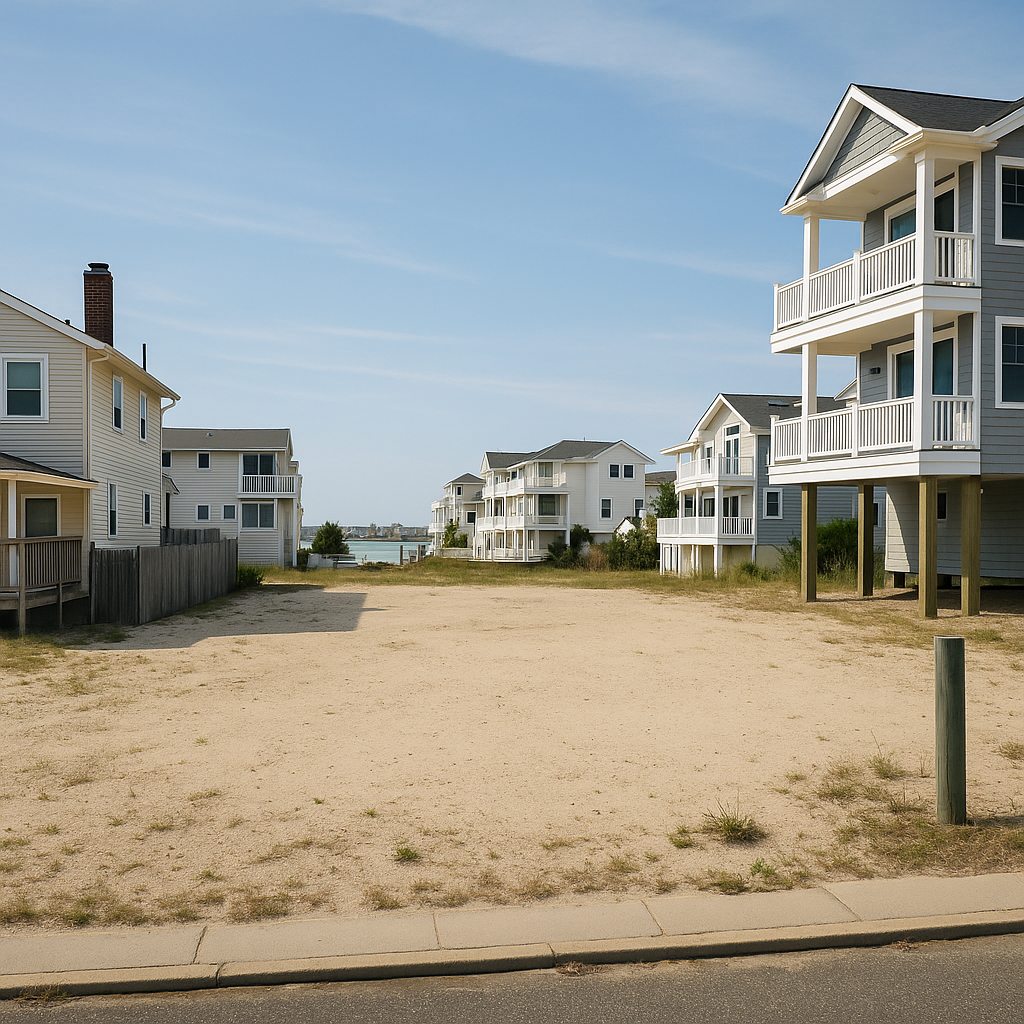
A New Jersey coastal property described as a teardown still needs parcel-specific review before a builder prices a replacement project. Start with the lot, the intended project, and the questions that the municipality and project team need to answer—not the listing label alone.
This guide is published by Ultimate Land Deals. It is a practical acquisition-screening checklist, not a representation that redevelopment of a particular New Jersey property is approved.
Start with the project you intend to build
Before bidding, prepare a preliminary description of the proposed replacement house and identify the questions that could affect its size, placement, access, utilities, demolition scope, and approvals.
Ask the municipality for current information relevant to the parcel, including:
- the zoning district and applicable ordinance provisions;
- local procedures for demolition, zoning, and construction review;
- any available building, zoning, or code-enforcement history; and
- questions concerning access, parking, utilities, and site work.
An existing house is useful context, but it is not a substitute for confirming the redevelopment path for the intended project. Ask how the municipality would classify the proposed work and what submissions it expects.
Identify the parcel accurately
Begin with the exact municipality and block/lot. New Jersey’s Property Tax Transparency database provides map-based parcel information, including location and owner information, block and lot, assessed value, prior-year taxes, and property classification. The State says the data comes from annual lists filed in January and that changes such as ownership transfers after that date may not appear in the file. Use it as an initial parcel-record screen, then obtain the records needed for the transaction and project.
For diligence, keep confirmed documents separate from assumptions. A useful file may include the legal description, title materials, available survey, tax information, prior permits or correspondence, and information supplied by the owner. Ask prospective buyers or municipal staff directly about the project questions that matter to the deal.
Treat demolition as a separate scope
“Teardown” does not establish a demolition budget or approval path. Identify the structure, site features, utility arrangements, contractor scope, disposal needs, and municipal process before treating demolition as a routine allowance.
The New Jersey Department of Community Affairs explains that a demolition permit authorizes removal of an existing building and that a construction official may issue a demolition permit for a residential or nonresidential structure. Review the DCA demolition-permit information and confirm the local procedure for the specific property.
Track demolition and site-work assumptions separately from land value. If scope or cost remains unknown, make that uncertainty visible in the offer and diligence plan.
Structure diligence around open questions
Before becoming fully committed, identify the information needed for the intended project:
- current title materials and legal description;
- a survey or other boundary information, where needed;
- municipal zoning and redevelopment questions;
- preliminary design or massing for the proposed house;
- demolition scope and local permit process; and
- utility and access questions.
Use written responses and project-specific records where possible. If a key issue remains open, consider whether the offer needs additional diligence time, a targeted contingency, or a revised price.
Quick pre-bid checklist
Move forward with diligence when the proposed project, parcel documents, municipal questions, and demolition scope are sufficiently understood for the buyer’s risk tolerance.
Use targeted contingencies when a defined question—such as boundaries, municipal direction, access, utilities, or demolition scope—still needs verification.
Pause before bidding when the project depends on assumptions that have not been tested with the relevant records, municipal staff, or qualified project professionals.
FAQs
Does an existing coastal house establish the replacement project?
Treat the existing structure as a starting point for questions, not as confirmation of the intended replacement project. Ask the municipality what it requires for the proposed work on that parcel.
What can the New Jersey Property Tax Transparency database help identify?
The state database lists parcel information such as location and owner information, block and lot, assessed value, prior-year taxes, and property classification. Because the data is based on annual January filings, review transaction records separately when current ownership matters.
What is a demolition permit?
According to the New Jersey Department of Community Affairs, a demolition permit authorizes removal of an existing building. Confirm the local application process and project-specific requirements with the municipality.
What should an owner provide to a prospective builder?
Provide available parcel records, surveys, title materials, tax information, prior permits or correspondence, and known utility, access, or boundary information. Avoid presenting redevelopment as approved unless supporting records establish that conclusion.