
Mohave County Development Land: A Buyer’s Field Guide
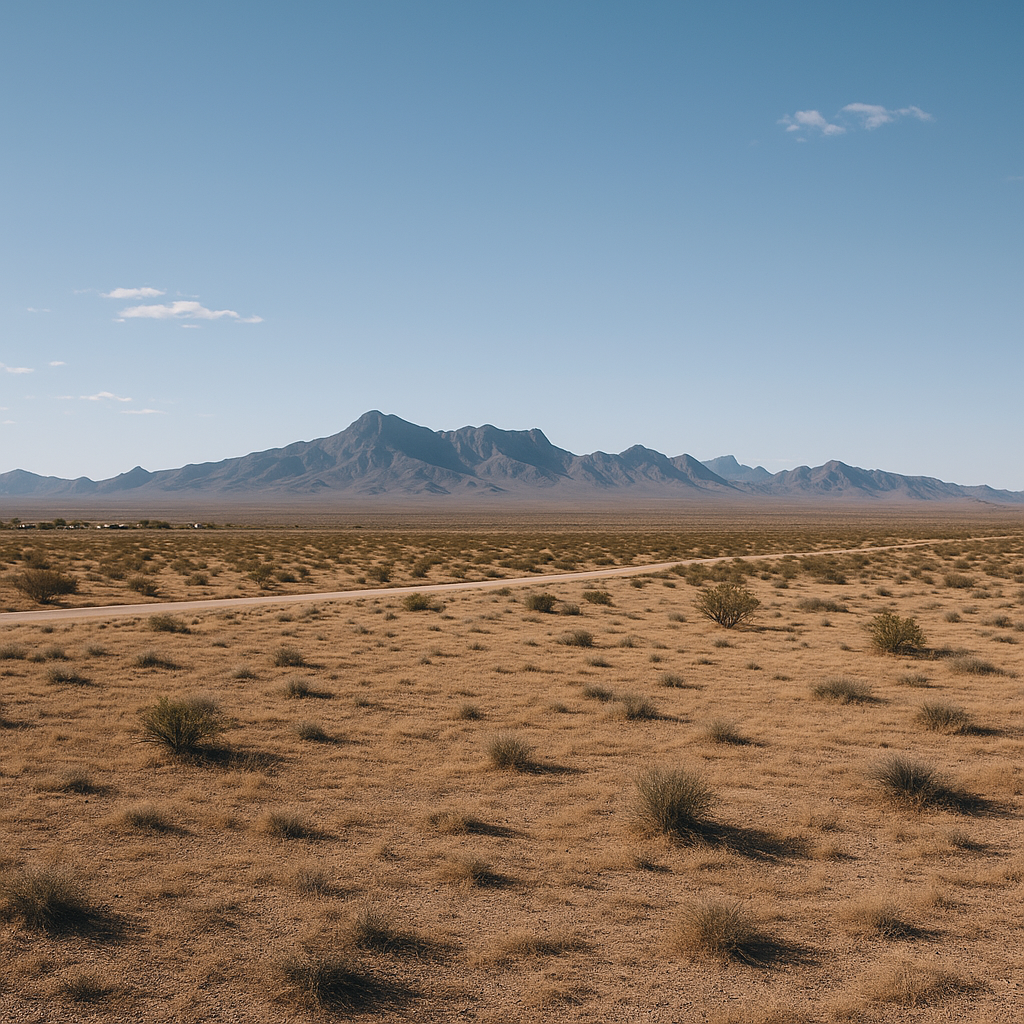
A listing described as Mohave County development land for sale is not necessarily development-ready. In this market, the value gap between a promising parcel and an expensive holding can come down to a few practical questions: Is the site in the right jurisdiction? Is legal access usable? Can it obtain water and wastewater service—or support wells and septic? And does the likely end use match what the surrounding market can absorb?
For builders, small developers, and land investors, the best acquisition is usually not the largest acreage or the lowest price per acre. It is the parcel with a credible path from raw land to a finished lot, home site, subdivision, storage use, or commercial project.
For absentee owners considering an offer, these are also the questions a serious buyer should be asking before placing a number on the property.
Start by identifying the development lane
Mohave County covers a large and varied area. A parcel near Bullhead City, Kingman, Lake Havasu City, Fort Mohave, Golden Valley, or Dolan Springs should not be evaluated as if it belongs to one unified market.
Before reviewing a site plan or estimating lot yield, decide which of these lanes the parcel realistically fits:
| Development lane | What usually matters most | Common risk |
|---|---|---|
| Infill residential lot | Buildability, utilities at or near the lot, setbacks, neighborhood sales | Assuming an unpaved street means utilities are available |
| Small residential split | Minimum lot size, road frontage, water/septic feasibility, subdivision rules | Counting theoretical lots before confirming the division process |
| Larger subdivision tract | Entitlements, off-site infrastructure, drainage, absorption pace | Underestimating roads, water extensions, and carrying time |
| Rural or recreational acreage | Legal access, terrain, flood conditions, wells, septic, market depth | Calling acreage “development land” when demand supports only occasional rural homesites |
| Commercial or mixed-use site | Jurisdiction, highway visibility, traffic, utilities, compatible zoning | Paying for commercial potential that zoning or infrastructure does not support |
A four-lot residential split outside a municipal service area and a 100-lot tract near growth corridors are not versions of the same project. They require different capital, approvals, buyer pools, and exit plans.
The first screen: county parcel or city parcel?
“Mojave County” is often used loosely in marketing, but the governing authority may be Mohave County or an incorporated municipality such as Bullhead City, Kingman, or Lake Havasu City. That distinction can change zoning rules, subdivision procedures, building requirements, utility options, and permit timelines.
A buyer should confirm all of the following before treating a parcel as a development candidate:
- The assessor parcel number and current legal description
- The physical location, not just the mailing address
- The governing planning and zoning jurisdiction
- Current zoning and overlay districts
- Whether the parcel is within city limits, a planning area, or unincorporated county land
- Any recorded subdivision plat, deed restrictions, or private road obligations
Do not rely on an online listing’s zoning label alone. A seller may accurately report the county record while overlooking an overlay, a recent zoning action, or the fact that a use requires a separate approval. A preliminary call or written confirmation from the relevant planning department is far cheaper than discovering the issue after closing.
Access is more than a road shown on a map
In Mohave County, apparent access is one of the easiest facts to misread from a satellite image. A graded route may cross private land. A recorded easement may exist but be too narrow, poorly located, or impractical for construction traffic. A platted road may not be maintained.
For a development acquisition, separate these questions:
- Does the parcel have legal access? Review the deed, recorded plat, title commitment, and easements.
- Is the access physically passable? Visit the route. Consider washouts, slope, drainage crossings, gates, and road surface.
- Is it adequate for the intended project? A route sufficient for a rural cabin may not meet requirements for a subdivision, fire access, utilities, or construction vehicles.
- Who pays for improvements and maintenance? Private-road agreements and neighboring owners can materially affect the project budget.
A parcel can be inexpensive precisely because access is unresolved. That does not make it unbuyable, but the price must reflect the work, risk, and time needed to solve it.
Water, wastewater, and power determine the real land basis
On a raw parcel, the purchase price is only one part of the land basis. The more consequential figure is the all-in cost to create a buildable site or finished lot.
In municipal or utility-service areas, investigate whether water and sewer lines are merely nearby or actually available for connection. Ask about line-extension requirements, capacity, connection fees, and whether off-site improvements are required.
Outside those areas, the typical questions become:
- Are nearby wells producing at usable depths and yields?
- Can the site support septic under current environmental-health requirements?
- Is there sufficient usable area for septic and reserve requirements, where applicable?
- How far is electrical service, and what extension or upgrade may be needed?
- Would hauled water, a private water system, or solar make sense for the anticipated buyer and price point?
Do not turn neighboring development into proof that a site will work. Conditions can vary within a short distance due to lot size, soil, topography, utility capacity, or the date a nearby property was approved.
For a modest rural homesite, a well and septic may be part of the business plan. For a higher-density development, the absence of public infrastructure may make the intended density unrealistic. The same acreage can support very different values depending on this distinction.
Calculate usable acreage, not gross acreage
A 20-acre parcel is not automatically a 20-acre development canvas. Buyers should identify the acreage that remains after constraints and design realities are considered:
- Washes, drainage channels, and flood-prone areas
- Steep slopes, rock, unstable ground, or difficult grading conditions
- Required road corridors and turnarounds
- Easements for utilities, access, or drainage
- Setbacks and minimum lot dimensions
- Areas unsuitable for septic or building pads
- Open-space or environmental constraints, if applicable
Flood mapping deserves particular attention in desert communities. A parcel outside a mapped flood zone can still require thoughtful drainage design, while a parcel intersected by a wash may need setbacks, crossings, or engineering that changes the layout. Review applicable flood information and speak with the relevant jurisdiction or a qualified local professional before assuming a preliminary layout will be approved.
A practical acquisition model starts with a conservative yield. If the project only works using every theoretical lot, every optimistic utility assumption, and a strong resale price, it is probably too thin for an off-market acquisition.
Match the project to the local exit—not the concept plan
The question is not simply, “Can this land be divided?” It is, “Who will buy the finished product, and how quickly?”
A builder may want a few ready-to-build infill lots near existing homes and services. A land investor may prefer larger rural parcels that can be held or sold to individual buyers. A developer may need enough scale to justify engineering and infrastructure costs. Each buyer sees a different value in the same property.
Before making an offer, test the exit with specific evidence:
- Recent sales of comparable finished lots or homes
- Active competing inventory and its condition
- Local homebuilder activity and permit patterns, where available
- The likely buyer profile: local family, retiree, second-home buyer, investor, or contractor
- Realistic sale pace, rather than only the highest comparable sale
This is especially important in dispersed rural areas. Low-priced acreage may generate online interest, but that is not the same as deep demand for finished lots at a price that supports roads, utilities, engineering, and financing costs.
A disciplined pre-offer checklist
Before committing earnest money or entering a direct-to-owner contract, a buyer should be able to answer these questions:
- What exact use is allowed today, and what use requires approval?
- Is the property governed by Mohave County or a city?
- Does title support the access shown in the marketing materials?
- What utilities are available, and what is the documented cost path to serve the intended use?
- What portion of the land is genuinely usable after drainage, roads, setbacks, and site conditions?
- Can the parcel be split or platted as envisioned?
- What are the likely off-site obligations?
- Who is the end buyer, and what comparable sales support the exit price?
- What is the contingency plan if zoning, water, septic, or access proves less favorable than expected?
The appropriate depth of diligence depends on the deal. A single infill lot may need a targeted review. A multi-lot or commercial project can warrant survey, title review, civil-engineering input, environmental review, and direct agency conversations before closing.
Where off-market sourcing fits
Many worthwhile Mohave County parcels never receive polished listing exposure. They may be owned by heirs, long-distance owners, or people who bought years ago and have no current plan for the land. Those owners may be open to a straightforward sale if the buyer can evaluate the parcel accurately and close through a reputable title process.
Ultimate Land Deals works with landowners and can source off-market residential lots and development-oriented parcels for builders, developers, and investors. A useful acquisition request is specific: target area, parcel size, zoning or intended use, utility tolerance, access requirements, and price range. That allows a buyer to avoid spending time on acreage that looks attractive online but cannot support the project.
For owners, a serious cash offer should reflect the parcel’s actual development path—not vague claims that every acre is buildable or that a future rezoning is guaranteed. Clear parcel information, realistic due-diligence access, and a reliable closing process help both sides reach a transaction that fits the land.
The best development land is the land with fewer unanswered questions
Mohave County offers genuine opportunities for builders and investors, but development value is created through entitlement, infrastructure, site design, and a credible exit. The right parcel may be a small serviced lot, a tract with a manageable split, or rural acreage priced for its true limitations.
Treat the listing description as a starting point. Then verify jurisdiction, access, utilities, usable acreage, and demand before deciding what the property is worth.