
Long Island Storm-Damaged Property Due-Diligence Checklist
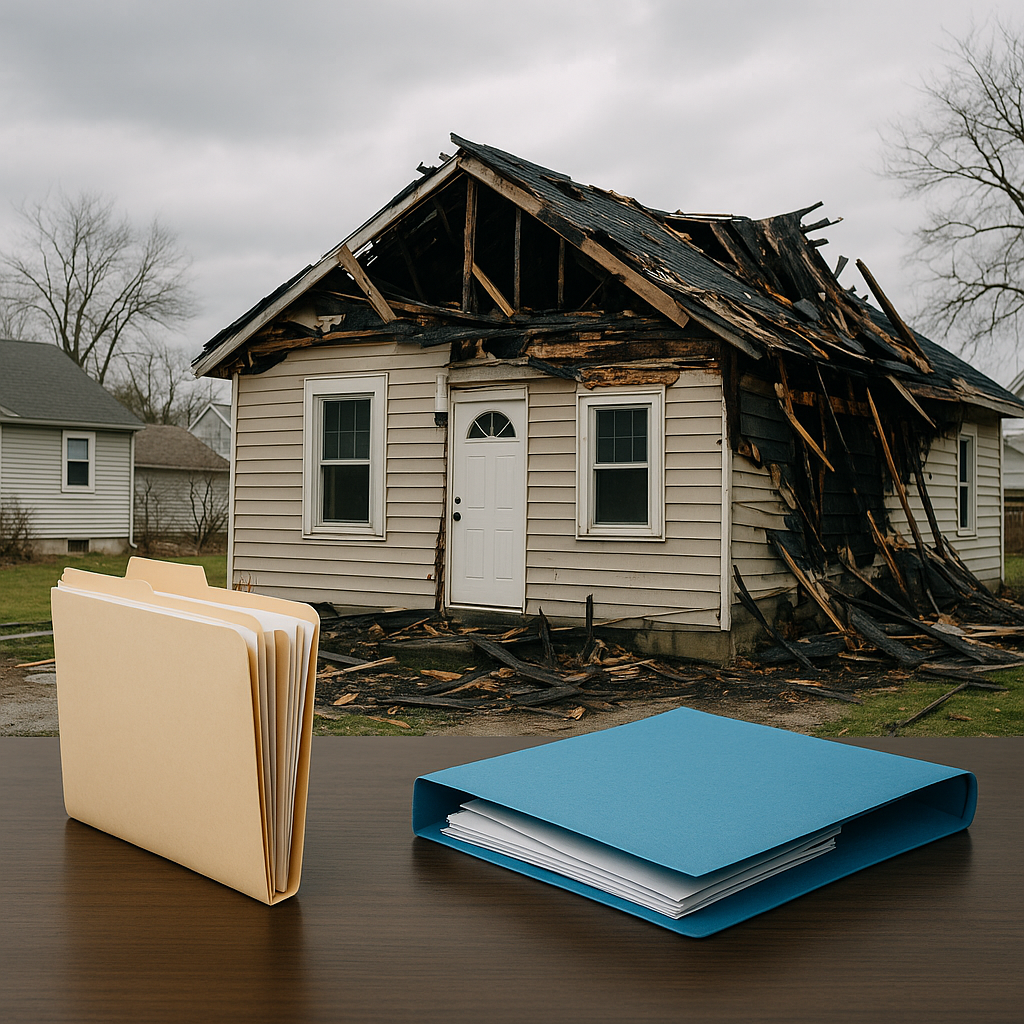
A storm-damaged Long Island property should not be evaluated as a single problem. A buyer needs to separate the condition of the building from the regulatory condition of the site before setting a price or signing a contract. Prior water intrusion, open repair permits, coastal erosion rules, and site conditions can each affect the plan differently. For a vacant lot, the building-damage questions fall away, but site constraints become the entire underwriting exercise.
Ultimate Land Deals describes a digital cash-offer process for vacant land in Florida. This guide is neutral information for owners and prospective buyers—not an offer to purchase a particular property.
The first decision: repairable house, redevelopment site, or constrained parcel?
A damaged coastal property can look inexpensive for three very different reasons:
- The house has a defined repair scope. Water entered a limited area, and the buyer can document the work completed and the remaining work needed.
- The house may be uneconomic, but the parcel may have redevelopment value. The buyer is evaluating a site, with demolition, design, and permitting questions still to resolve.
- The site itself may limit the plan. Coastal erosion, access, setbacks, local requirements, or other site conditions may affect repair, expansion, or replacement.
Do not decide which category applies from photographs, a seller's description, or an assessor's property type. A roof-loss claim, a basement flood, saltwater intrusion, wind damage, and erosion are not interchangeable events. The questions a contractor, engineer, insurer, municipal building department, and land-use reviewer need answered are different.
For someone looking for Long Island storm-damaged property buyers, this distinction can also improve the sale process. Ask a prospective buyer whether its price assumes a repair, demolition, or land-only approach—and what records or site questions could change that price.
Build two separate due-diligence files
File 1: the storm and building record
For an improved property, request and review records that identify what happened and what was done afterward:
- Date and apparent cause of loss: wind, coastal surge, tidal flooding, plumbing failure, roof failure, or another event.
- Photographs from before cleanup and during repairs.
- Insurance claim documents that the seller is willing and able to provide.
- Contractor invoices, scopes of work, warranties, and paid receipts.
- Engineering reports, elevation information, or mold/moisture reports, if prepared.
- Municipal permit history, inspections, certificates, violations, and any open work.
- An independent inspection focused on moisture, framing, electrical systems, drainage, mold conditions, and evidence of prior repairs.
Seller-provided information can help identify questions, but it should not replace inspection, document review, or records requests. For residential transactions, review the official New York Property Condition Disclosure Statement with the professionals handling the transaction.
A practical question for a prospective buyer is: Does the repair documentation match the damage being priced? A new floor covering does not establish what was evaluated behind walls, below floors, or in structural components. Conversely, visible cosmetic damage does not by itself establish a structural failure. Inspection and records help separate those possibilities.
File 2: the parcel and permission record
The second file asks whether the land can support the buyer's intended use after the storm. Start with the exact tax parcel, not merely the street address or a marketing map.
Check:
- Current flood information and any related insurance questions.
- Mapped Coastal Erosion Hazard Area (CEHA) status.
- Local zoning district, setbacks, lot status, and any nonconformity.
- Lawful access, utility availability, and the actual status of any connections.
- Building department records for permits, certificates of occupancy, violations, and authorized repair scopes.
- Tax status, ownership, liens, and title matters through appropriate title review.
New York's DEC provides a CEHA layer through DECinfo Locator. The DEC's coastal program page also states that the official CEHA map can be downloaded by selecting the CEHA layer at the project location. Use the mapping and then ask the responsible authority which records, reviews, and permits apply to the planned work.
Ask about repair permission before assuming repairs add value
A common underwriting error is treating completed work as proof that the work was authorized. Before valuing a repaired storm property at a premium, ask the municipality's building or zoning department:
- Which permits were issued for storm repairs?
- Were final inspections completed?
- Is there an open permit, violation, or unresolved certificate issue?
- Would the proposed next step—repair, elevation, addition, demolition, or replacement—require further review?
- Does the town, village, city, borough, or DEC administer the relevant coastal permit program?
In a mapped CEHA, the DEC states that a Coastal Erosion Management Permit is the written approval required for regulated activity. The DEC lists construction, structural work, grading, excavation, filling, dumping, and soil disturbance among regulated activities. Its Coastal Erosion Management Permit Program explains that certified communities administer their own CEHA programs, while other communities are managed by DEC.
Before construction starts, DEC directs owners in certified communities to contact the municipality and owners in state-administered communities to contact DEC for permit requirements. DEC also notes that several government agencies may need permits for a project. The correct authority depends on the parcel's municipality; “Long Island” is not itself a permitting jurisdiction.
This matters even when the immediate plan is modest. Before pricing work such as debris clearing, fill, grading, or foundation preparation, ask whether the proposed activity is regulated for that parcel and whether additional approvals are needed.
Vacant lots require a site-focused review
An empty parcel is not automatically simple. A land buyer should focus on whether the lot is legally and physically usable for the intended project:
- Is the parcel separately buildable under current local rules?
- Is there documented legal access, rather than just a visible driveway or nearby road?
- Are utilities actually available to serve the intended use, and on what terms?
- Does CEHA mapping or another site condition affect the potential building area?
- Does the seller have surveys, prior applications, approvals, correspondence, or known site-repair records?
For a storm-affected vacant site, erosion, washed-out improvements, disturbed soils, and drainage changes may matter more than the absence of a house. Obtain parcel-specific guidance from the responsible local authority and qualified professionals before treating the property as an ordinary buildable lot.
Compare offers by their diligence terms, not the word “cash”
An owner receiving outreach from Long Island storm-damaged property buyers should compare the written offer structure. A cash offer's terms depend on the written offer and contract, so review the contingencies, cancellation rights, and closing conditions rather than relying on the label alone.
Ask each buyer:
- Is the buyer purchasing the property directly, or does the contract allow assignment to another buyer?
- What inspections, records, title findings, or municipal approvals can change the price or permit cancellation?
- Does the price assume repair, demolition, or vacant-land value?
- Who selects the closing and title professionals, and what costs is each party expected to pay?
- Is the closing schedule dependent on document review or permitting information?
- Will the buyer provide the final contract, amendments, and any assignment language for review before signing?
A direct buyer may suit an owner who values a simpler as-is process, but the price should reflect the buyer's uncertainty and carrying risk. A local agent may be useful where the property can be marketed to owner-occupants, builders, or investors and its condition can be documented clearly. Selling independently may reduce intermediary involvement but places more responsibility on the owner to organize records, access, and negotiations. No route avoids the need for accurate property information.
FAQs
What should I verify before planning a repair or rebuild?
Obtain current flood information, identify the exact parcel, review CEHA mapping, and ask the local building or zoning department which permits and records apply to the proposed work. If the parcel is in a CEHA, follow DEC's direction to contact the municipality in a certified community or DEC in a state-administered community before construction starts.
Can a buyer rely on seller-provided information after storm damage?
Use seller-provided information to guide follow-up questions, inspections, and records requests. Request repair records, permit history, photographs, and any available reports relevant to the work being priced.
What if the property has already been cleaned out?
Ask for pre-cleanup photos, insurance and contractor records, permit history, and an independent inspection. Cleanup may make it harder to understand the original condition, so records become especially important.
Is an empty coastal lot automatically easier to buy than a damaged house?
Not necessarily. Buildability, access, coastal constraints, utilities, title, and local approvals can be decisive. Verify the intended project with the responsible local authority before assigning value to a potential build.