
Land Buyer Soil Testing Before Closing: Seller Checklist
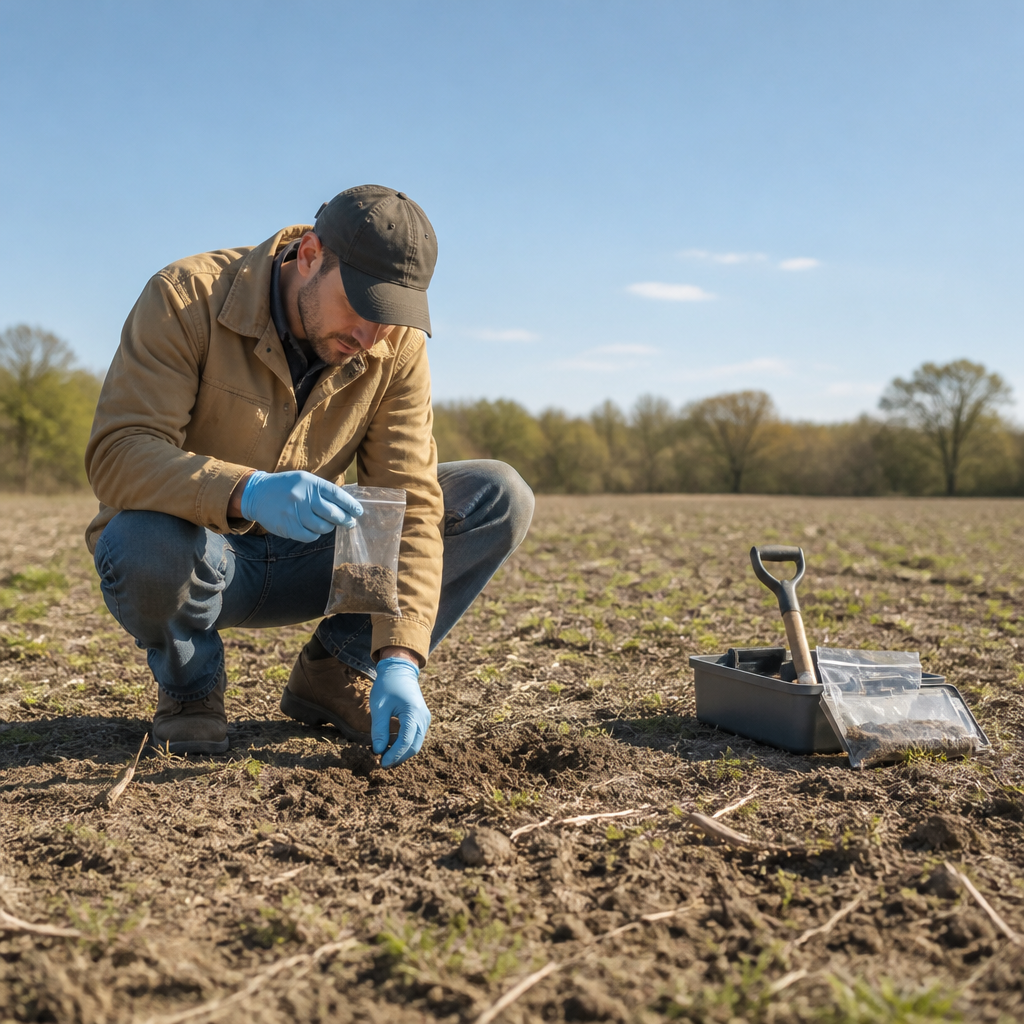
A land buyer’s request to test soil before closing is not automatically a reason to say no—but it is a reason to slow down and put boundaries in writing. Before allowing anyone to dig, bore, drive equipment onto the parcel, or collect samples, a vacant-land seller should know exactly what testing is proposed, who will perform it, when it will occur, what condition applies to the sale, and who is responsible if the work damages the property.
Ultimate Land Deals publishes this guide for owners considering a direct sale of vacant land. The company says it purchases vacant land across Florida through a digital, no-agent process; the written offer and closing documents, rather than a general description of the process, should establish the terms for any individual transaction. Read the company’s overview.
The practical decision: permission with limits, not a blank check
“Land buyer soil testing before closing” can describe very different activities. One buyer may want to review publicly available soil information. Another may want a contractor to enter the lot, take borings, dig test pits, or use vehicles and equipment. Do not approve the second type of activity based on a vague text message such as “we need to check the soil.”
A sensible response is: please send the proposed scope, contractor details, dates, access needs, restoration plan, and the contract language that makes the testing relevant to the purchase. Then decide whether the request is acceptable.
This is not about assuming bad intent. It is about preventing a simple inspection request from becoming an unclear dispute over access, ruts, disturbed vegetation, gates, debris, or an extension of the buyer’s decision period.
First, ask what the buyer means by “soil testing”
Get a plain-language description before discussing permission. A useful request list includes:
- What question is the test intended to answer?
- Is the buyer relying on online mapping, a site visit, sampling, borings, pits, or another method?
- Will anything penetrate or remove soil?
- What vehicles, equipment, personnel, and access points are proposed?
- Which portion of the parcel will be entered?
- When will the work occur, and how long is access requested?
- Will the buyer provide results to the seller if the transaction does not close?
The USDA Natural Resources Conservation Service provides the Web Soil Survey, a government resource for soil information. That can be a useful item for a buyer or seller to review before arranging field access. It does not eliminate the value of asking what the buyer actually plans to do on your particular parcel.
Do not combine separate investigations under one label
Soil work, septic questions, and private-well water testing can be related to a buyer’s future plans, but they are not the same task.
For example, Florida’s onsite sewage treatment and disposal systems—commonly called septic systems—are subject to permitting and inspection administration described by the Florida Department of Health. The page notes that local county health departments handle septic permitting and inspections outside 16 named Florida counties, while the Florida Department of Environmental Protection manages the program in those 16 counties. If a buyer says testing concerns a future septic system, ask which local office or professional they expect to consult and whether their request is simply due diligence or a condition of their purchase.
If the parcel has a private well, water quality is another separate subject. The CDC says private well owners are responsible for testing their own well water and recommends annual testing for total coliform bacteria, nitrates, total dissolved solids, and pH, with other testing based on local conditions. See CDC well-water guidance. A buyer’s water-sample request should therefore identify the well, sampling method, laboratory, and who may receive the results.
Put five points in a written access agreement or addendum
Your sales contract may already address inspections. Even so, the proposed work should be described precisely enough that both sides can tell what was approved. Consider asking the buyer to include the following points in a signed addendum or separate access permission.
| Point to document | What the seller should pin down |
|---|---|
| Scope | The exact testing activity, locations if known, and whether digging, borings, sample removal, or equipment are permitted. |
| People and timing | The testing company’s name, contact person, requested dates, notice before entry, and who may be on site. |
| Insurance and responsibility | What insurance documentation the buyer or contractor will provide, and who handles claims, damage, injury, or contractor conduct. |
| Restoration | What the site must look like when work is done: filled holes, removed materials, repaired gates or fencing, and no equipment or trash left behind. |
| Results and purchase effect | Whether the seller receives reports, whether the buyer can renegotiate or terminate based on results, and the deadline for that decision. |
The agreement should also make clear that access is limited to testing—not permission to begin construction, store materials, market the parcel, or give other parties unrestricted entry.
Insurance is a question to answer before anyone enters
Do not assume that a buyer’s cash offer, a contractor’s business card, or a signed purchase contract tells you who will bear responsibility for an incident during testing. Ask for the proposed testing company’s name and insurance information before giving access. If the buyer says the buyer—not the contractor—will take responsibility, ask for that commitment in writing.
This is particularly important where entry requires opening a locked gate, crossing neighboring property, using a private road, or taking equipment over ground that may be difficult to traverse. The point is not to diagnose the land from a distance; it is to identify access risks before work begins.
If the parcel is inherited, owned by several people, or being sold through a representative, confirm that the person granting access has authority to do so. A title or closing professional can tell you what documents they need for the sale, but the seller should not assume that one owner’s informal approval resolves every ownership question.
Tie the testing period to the purchase decision
Testing requests often become troublesome when the buyer has access but no clear deadline to act. Ask the buyer to state, in writing:
- the final date by which testing must be completed;
- the date by which the buyer must notify you of its decision;
- what happens if no notice arrives by that date; and
- whether the buyer is seeking a price change, a right to cancel, or both if results are unfavorable.
A seller does not need to negotiate those terms in the abstract. The important thing is to see the actual proposal before granting entry. If the buyer cannot explain what result would affect the deal, an open-ended testing contingency may not be a good fit for the seller’s timetable.
Compare selling routes based on control of diligence
The testing issue is one place where sale routes can feel different.
Direct buyer. A direct buyer may coordinate its own due diligence and closing. Ask for a written access scope, the contingency deadline, whether the buyer may assign the contract, and which party will coordinate restoration if testing occurs. Ultimate Land Deals describes its Florida process as direct and digital, but any seller should confirm the specific buyer identity, testing rights, and transaction terms in the offer documents. Company information is available here.
Agent-assisted sale. An agent can help communicate a buyer’s proposed access and testing terms. Before authorizing entry, the seller should still review the written request and understand what it permits.
Selling independently. An owner selling without an agent can keep close control of site access, but also needs to manage buyer communications, document review, and coordination directly. A title company or attorney can be a useful contact for questions about the documents proposed for the transaction.
The right route is not determined by whether a buyer asks for soil testing. It depends on whether the buyer’s written terms give you a clear, manageable path from access to a defined purchase decision.
A short reply a seller can send
Please send a written testing request before entry. Include the purpose and scope of the work, testing company, insurance information, equipment and access needs, proposed dates, restoration plan, responsibility for damage, and the deadline and contract consequence of the results. I will review the request before authorizing access.
That response is cooperative without giving away control of the parcel.
FAQs
Should I allow invasive soil testing before closing?
Consider allowing it only after you understand the work and receive written terms covering access, responsibility, restoration, and the buyer’s deadline to decide whether to proceed. If the request is unclear, ask for more detail before authorizing entry.
Can a buyer test without my permission?
Do not rely on assumptions about what a buyer, contractor, or contract clause permits. Review the signed contract and any proposed access document, and ask the closing professional or your own legal adviser to explain any language you do not understand.
Who pays if soil testing damages the lot?
That should be addressed in writing before access is granted. Ask the buyer to identify the contractor, provide insurance information, and state who is responsible for restoration and damage connected with the work.
Does a soil test answer septic or well-water questions?
Not necessarily. Septic-system administration and private-well water testing are separate topics. In Florida, ask the relevant county health department or DEP office about septic questions; for a private well, the CDC recommends using a state-certified laboratory and consulting the local health department about results and additional tests. CDC guidance