
How to Sell Vacant Land in Florida From Another State
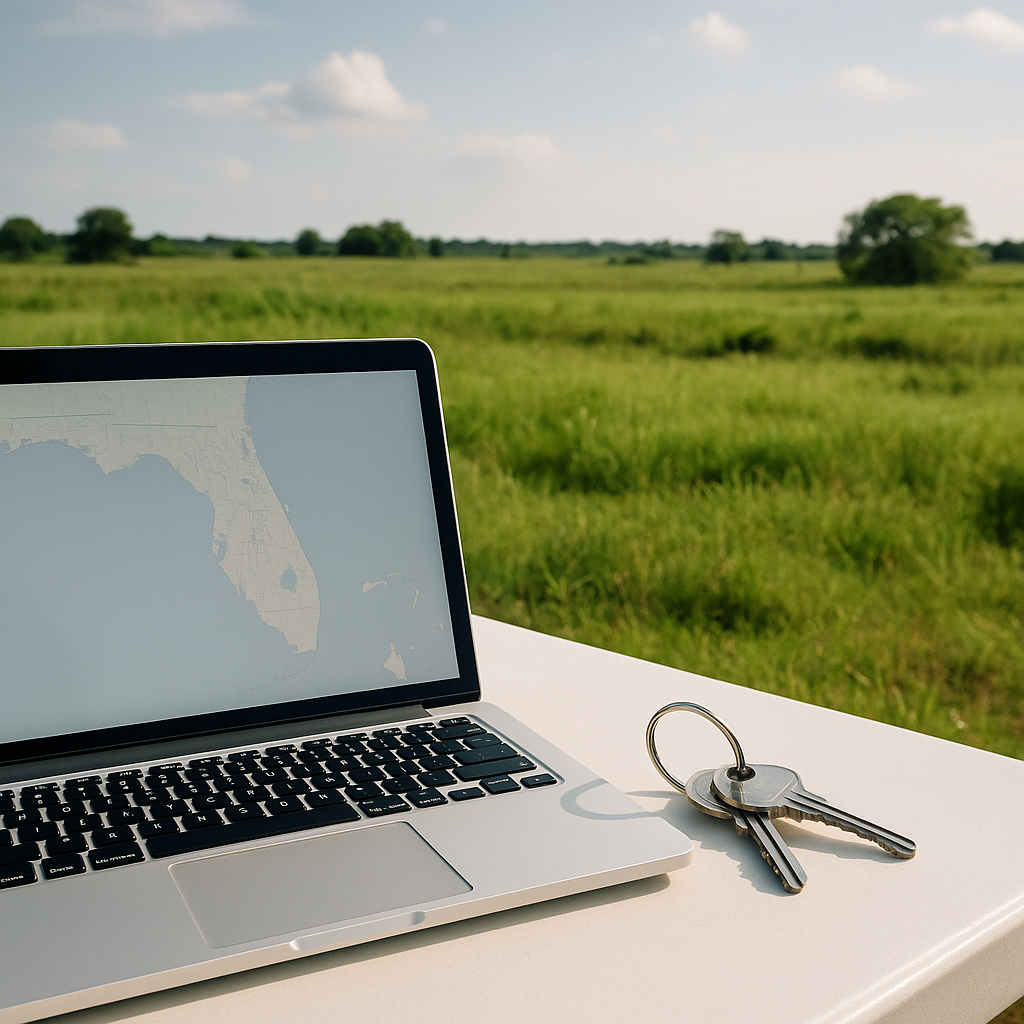
If you own a lot in Florida but live somewhere else, you’ve probably wondered how to sell vacant land in Florida from another state without flying in, hiring agents, or dealing with endless paperwork.
As an absentee landowner, you may be facing:
- Property tax bills on land you don’t use
- HOA or POA fees on a lot you never visit
- Inherited land you don’t want to manage
- A parcel you bought years ago that no longer fits your plans
This guide walks you step-by-step through how to sell vacant land in Florida from another state—including legal details, practical tips, and how a direct, off‑market sale to a land buyer like Ultimate Land Deals can simplify everything.
Why Selling Vacant Land in Florida Is Different From Selling a House
Before we walk through exactly how to sell vacant land in Florida from another state, it helps to understand how land sales differ from traditional home sales.
1. Fewer emotional buyers, more investors
Most home buyers are looking for a place to live. Vacant land buyers are usually:
- Builders and developers
- Long‑term investors
- Neighbors wanting extra space
- Recreational or retirement buyers
This means the market is smaller and traditional MLS listings can be slower for land than for houses.
2. Financing is harder on vacant land
Many banks don’t like making small land loans, especially on rural or infill lots. As a result:
- Buyers often want big discounts to pay cash.
- Many offers fall through when financing fails.
3. You can sell 100% remotely
The good news: when you’re planning how to sell vacant land in Florida from another state, it’s actually easier to close remotely on land than on a house.
- No tenants to move out
- No inspections for plumbing, roof, etc.
- No showings to coordinate
In Florida, you can sign everything digitally or with a mobile notary and close from your home state.
Key Steps to Sell Vacant Land in Florida From Another State
Here’s a practical, step‑by‑step process for how to sell vacant land in Florida from another state with minimum stress.
Step 1: Confirm Exactly What You Own
Start by gathering the basic facts about your property:
- County and parcel number (APN)
- Exact legal owner name(s)
- Property address or legal description
- Size (acres or square feet)
You can usually find this on your county property appraiser’s website by searching your name or address.
Also check:
- Deed type you received (Warranty Deed, Quit Claim Deed, etc.)
- Whether you own it individually, in a trust, LLC, or with other heirs
This matters because whoever is on the deed must sign to sell.
Step 2: Check Property Taxes, HOA, and Liens
When selling vacant land in Florida from another state, you must know what’s owed on the property. Check:
Property taxes – Search your county tax collector’s site:
- Are there unpaid taxes?
- Is the property in tax certificate or tax deed status?
HOA/POA dues – If it’s in a community:
- Any unpaid HOA/POA fees?
- Any liens recorded?
Municipal liens or code violations – Things like:
- Mowing or lot clearing liens
- Code enforcement fines
A professional buyer like Ultimate Land Deals will typically uncover all of this during due diligence and may pay off or prorate these costs at closing, but it’s smart to know the status up front.
Step 3: Research Zoning and Land Use
When deciding how to sell vacant land in Florida from another state for the best price, zoning matters.
Check with the county or city planning department (many have online maps):
- Zoning category (e.g., residential, agricultural, commercial)
- Minimum lot size
- Building restrictions
- Flood zone or wetlands
This affects your buyer pool:
- Residential zoning attracts builders and long‑term investors
- Agricultural or rural zoning may appeal to recreational buyers or land investors
Ultimate Land Deals works across many zoning types and can help interpret zoning and land‑use potential as part of our evaluation.
Step 4: Estimate Market Value Realistically
Pricing is where many absentee owners get stuck when thinking about how to sell vacant land in Florida from another state.
To estimate a realistic value:
Look up recent land sales near your parcel:
- Same subdivision or nearby streets
- Similar size and zoning
- Similar road access and utilities
Focus on closed sales, not just active listings. Ask:
- How long were they on the market?
- Did they need price drops to sell?
Adjust for:
- Paved vs. dirt road
- Access to power, water, sewer
- Flood zone or wetlands coverage
Many online estimators ignore these details and overstate land values. That’s why sellers often struggle to find a buyer at their initial asking price.
When you submit your property to Ultimate Land Deals, we perform a detailed market analysis at no cost and send you a firm cash offer based on:
- Recent comparable sales
- Land‑use potential
- Access and utility status
- Market demand in that neighborhood
You can then compare that offer against listing traditionally or holding the property longer.
Step 5: Decide How You Want to Sell From Out of State
There are three main routes when planning how to sell vacant land in Florida from another state:
Option A: List with a local real estate agent
Pros:
- Local market knowledge
- They handle buyer showings and negotiations
Cons:
- Many agents focus on houses, not land
- 6%+ commissions reduce your net
- Longer timelines (often months or more)
- You still may need to sign documents physically or via mail
If you choose this route, look for an agent who specializes in land and has real land sales in their track record.
Option B: Try to sell by owner (FSBO)
Pros:
- No agent commission
- Full control over price and terms
Cons:
- You handle advertising, phone calls, and screening buyers
- More fall‑through risk and longer timelines
- Requires comfort with contracts and title work
To sell by owner from another state, you’ll need:
- A Florida Vacant Land Purchase and Sale Agreement
- A title company or real estate attorney
- Clear instructions for remote closing
Option C: Sell directly to a professional land buyer (Ultimate Land Deals)
Pros:
- No agents, no listings, no showings
- All‑cash offers and fast closings
- Entire process handled digitally
- You don’t pay closing costs in many cases
Cons:
- As an investor, we need a margin to resell or assign the property
- Your net price may be lower than a top‑of‑market MLS sale
For many absentee owners, the tradeoff is worth it: certainty, speed, and zero hassle versus months on the market.
At Ultimate Land Deals, our business is built around absentee owners who want to:
- Sell vacant land in Florida from another state
- Avoid agents and showings
- Close remotely and quickly
We buy across Florida, Arizona, Nevada, North Carolina, and other expanding markets in the U.S.
Step 6: Understand the Remote Closing Process in Florida
One of the biggest questions owners ask about how to sell vacant land in Florida from another state is: “Do I have to come to Florida to close?”
In almost all cases, no.
A typical remote land closing in Florida looks like this:
Contract signed electronically
- You and the buyer sign a purchase agreement via secure e‑signature.
Title search and due diligence
- The title company checks the chain of title, liens, and taxes.
- The buyer evaluates zoning, access, and any issues.
Closing documents prepared
- Deed and settlement statements are drafted.
You sign remotely
- Either using a mobile notary who comes to you, or
- In some cases, via remote online notarization (RON) if allowed and accepted by the title company.
You send documents back
- Overnight courier picks up your signed originals, or
- The notary returns them directly to the title company.
Title company records the deed and disburses funds
- Deed recorded in the Florida county where the land is located.
- Funds wired to your bank or sent as a cashier’s check.
Ultimate Land Deals coordinates all of this on your behalf—from contract to closing—so you don’t have to track down a title company or figure out remote notarization.
Step 7: Know the Basic Documents You’ll Use
When you’re learning how to sell vacant land in Florida from another state, the paperwork can sound intimidating. In practice, it usually comes down to a few key items:
- Purchase and Sale Agreement (PSA) – The contract outlining price, closing date, and responsibilities.
- Deed – Usually a Warranty Deed or Special Warranty Deed transferring ownership.
- Seller information form – For the title company to collect your details and tax info.
- Closing statement (HUD or settlement statement) – Shows money going in and out.
A professional buyer like Ultimate Land Deals will:
- Provide the contract
- Open escrow with a trusted title company
- Coordinate all closing docs
- Explain what you’re signing in plain language
Common Challenges for Out‑of‑State Florida Land Sellers (and How to Avoid Them)
When figuring out how to sell vacant land in Florida from another state, these are the most common pitfalls:
1. Overpricing based on old information
Many owners base price on:
- What they paid years ago
- What a neighbor said their land is “worth”
- Asking prices, not actual closed sales
Result: the property sits for months or years.
Solution: Use recent closed comps and be realistic about today’s demand. Get a no‑obligation offer from a land buyer like Ultimate Land Deals to understand true investor pricing.
2. Title issues from inheritance or old deeds
If you inherited the property or own it with other family members, there may be:
- Missing probate steps
- Unreleased liens
- Multiple heirs on title
Solution:
Let the title company run a full search early. We routinely help sellers navigate:
- Simple probate issues
- Missing documents
- Old liens that can be negotiated or paid at closing
3. Buyers backing out
Retail buyers often:
- Make offers contingent on financing
- Back out when they see wetlands or zoning limits
Solution:
When you sell to Ultimate Land Deals, we buy with cash and clear criteria. Once the due diligence period is complete, we move straight to closing, minimizing last‑minute surprises.
4. Confusion about taxes on the sale
When selling vacant land in Florida from another state, you may owe capital gains tax in your home state and/or federally.
General points (not legal or tax advice):
- If you sell for more than your tax basis, you may owe capital gains.
- Holding periods affect whether those gains are short‑term or long‑term.
- Foreign sellers (non‑U.S.) may have additional withholding rules (FIRPTA).
Solution:
Always speak with a tax professional in your state before closing, so you understand the impact. The title company and buyer can’t give you tax advice, but they can provide the documents your CPA needs.
How Ultimate Land Deals Helps Absentee Owners Sell Florida Land Remotely
Ultimate Land Deals isn’t just a wholesaler posting properties and hoping they sell. We’re a specialized vacant land buyer and off‑market land acquisition company focused on markets like Florida, Arizona, Nevada, and North Carolina.
Here’s how we work with out‑of‑state owners who want to sell vacant land in Florida from another state.
1. Fast, no‑obligation cash offer
You tell us:
- County, parcel number, or property address
- Approximate size and any known details
We:
- Research the property, zoning, and comparable sales
- Decide if it fits our buying criteria or those of our builder/developer partners
- Send you a simple cash offer with clear terms
2. Clear paths for the property
Once we evaluate your land, we may:
- Purchase it directly with our own funds
- Assign the contract to another investor, builder, or developer
- Close, hold, and resell after adding value (e.g., clearer marketing, packaging, or solving title issues)
From your side as the seller, the process is the same: a clean, straightforward sale with a single point of contact.
3. Completely digital, out‑of‑state friendly process
We’ve designed our process specifically for absentee owners who want to know how to sell vacant land in Florida from another state without travel:
- Electronic contracts
- Title and closing coordinated for you
- Remote or mobile notarization
- Wire transfer or overnighted check after closing
You never need to:
- Meet buyers in person
- Show the property
- Manage multiple third parties
4. Coordination with builders, developers, and investors
Because we work directly with builders, developers, and land investors, we often know exactly what they want and where they’re buying.
That means your land may already fit active criteria such as:
- Residential infill lots in growing subdivisions
- Rural acreage near expanding corridors
- Parcels in specific school districts or zoning overlays
This network allows us to make confident offers while still giving you a simple, single‑party sale experience.
Practical Checklist: How to Sell Vacant Land in Florida From Another State
Use this quick checklist as you move forward:
Gather property info
☐ County, parcel number, deed, and owner names
☐ Verify size, subdivision, and legal descriptionCheck balances
☐ Property tax status
☐ HOA/POA dues (if any)
☐ Known liens or code violationsResearch basic zoning and access
☐ Zoning type and allowed uses
☐ Road access and utilitiesDecide how you want to sell
☐ List with agent
☐ Sell by owner
☐ Request an all‑cash offer from Ultimate Land DealsPrepare for remote closing
☐ Valid ID for notarization
☐ Bank details for wire or address for check
☐ Tax advisor lined up if you have questions
Conclusion: You Can Sell From Anywhere With the Right Partner
Learning how to sell vacant land in Florida from another state doesn’t have to be overwhelming. When you break it down, you need to:
- Confirm what you own and what’s owed
- Understand zoning and realistic pricing
- Choose a selling path that fits your timeline and risk tolerance
- Use a title company and remote closing to finalize the sale
If you want a fast, straightforward, no‑agent option, Ultimate Land Deals can:
- Evaluate your Florida land quickly
- Present a clear cash offer
- Handle title, due diligence, and closing
- Help you sell completely remotely, from any state
You stay where you are. We do the work on the ground in Florida.
If you’re ready to explore your options and see what your land could sell for, reach out to Ultimate Land Deals and request your no‑obligation offer today.