
How to Sell Vacant Land in Florida From Another State (Without Flying In)
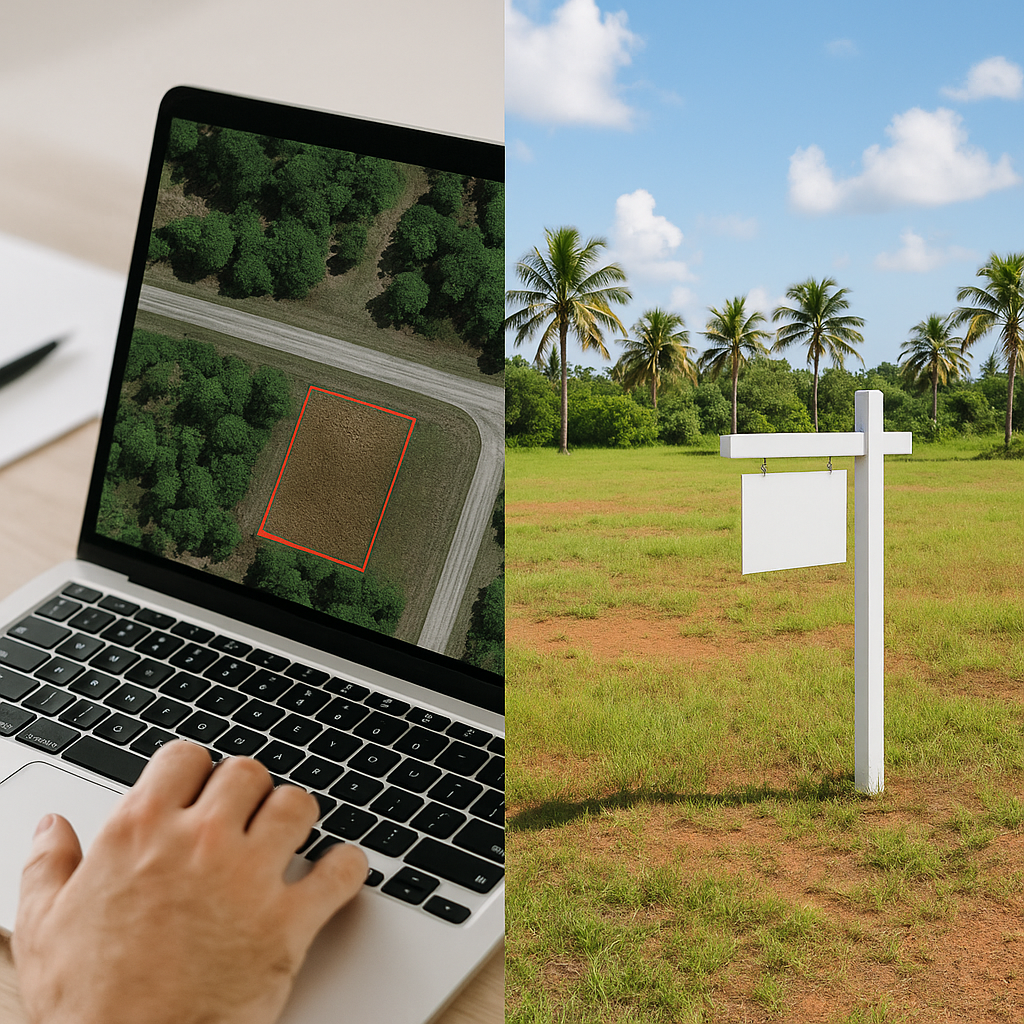
If you own a lot in Florida but live hundreds or thousands of miles away, you’re not alone. Many people inherit land, buy it as an investment, or move out of state and then wonder how to sell vacant land in Florida from another state without taking time off work or hopping on a plane.
This guide walks you through exactly how to sell vacant land in Florida from another state step-by-step, what to watch out for, and how companies like Ultimate Land Deals help absentee landowners get a fast, safe, and fully remote sale.
Why Selling Vacant Land in Florida From Another State Feels Hard
Most out-of-state owners run into the same issues when they try to sell vacant land in Florida from another state:
- You can’t easily meet buyers or agents in person.
- You’re unsure what your land is worth today.
- You may not know local zoning rules, wetlands issues, or HOA restrictions.
- You worry about scams or deals falling apart at closing.
On top of that, traditional land listings can sit for months or years without serious offers—especially if the lot is rural, landlocked, or has access or utility challenges.
The good news: you can sell vacant land in Florida from another state fully digitally. You just need the right process and the right team.
Step 1: Confirm You Own What You Think You Own
Before worrying about buyers, confirm the basics of your ownership. This is an essential first step when planning how to sell vacant land in Florida from another state.
Check the deed and owner of record
Locate your deed
- Look for a warranty deed, special warranty deed, or quit claim deed in your files.
- Confirm your name (or your entity’s name) is on the deed and matches your current legal name.
Search property records online
- Go to the County Property Appraiser website where the land is located.
- Search by name, parcel ID, or property address.
- Confirm:
- Legal owner of record
- Property description
- Assessed value (for tax purposes)
If you inherited the land
- Check whether probate was completed and the deed officially put into your name.
- If not, you may need probate or an heirship process before closing. A title company or attorney can guide you.
Making sure your title is clean and ownership is clear will make it much easier to sell vacant land in Florida from another state without delays at closing.
Step 2: Understand What Your Florida Land Is Actually Worth
Pricing is the biggest mistake area when people try to sell vacant land in Florida from another state. Land values can vary widely, even within the same county.
How to estimate your land value remotely
Review recent comparable sales ("comps")
- Use sites like Zillow, Realtor.com, Redfin, or the County Property Appraiser.
- Filter for vacant land only in the same subdivision or nearby area.
- Compare lot size, access to roads, utilities, and zoning.
Check listed prices vs. sold prices
- Active listings show what sellers hope to get.
- County records or MLS data (via a local agent or investor) show what buyers actually paid.
Factor in land-specific issues
- Road access: Paved, dirt, or landlocked?
- Utilities: Water, sewer, power availability and distance.
- Topography & wetlands: Low-lying, flood zone, or wetlands can lower value.
- Zoning: Residential, agricultural, or commercial.
Get a professional opinion
- Talk to a land-focused buyer (like Ultimate Land Deals) for a quick valuation range.
- Consider an appraiser if the land is high-value or complex.
A realistic value range makes it much easier to decide whether to list with an agent, try selling by owner, or accept a direct cash offer.
Step 3: Decide How You Want to Sell (And How Fast You Need to Close)
There are three main ways to sell vacant land in Florida from another state:
Option 1: Traditional listing with a real estate agent
- Pros:
- Potential to get higher prices in hot markets.
- Agent handles marketing, buyer showings, and negotiations.
- Cons:
- Commission typically 6–10% for land.
- Listings can sit on the market for months or years.
- Many agents focus on houses, not land.
- More paperwork and back-and-forth for an absentee owner.
Option 2: For sale by owner (FSBO)
- Pros:
- No listing commission.
- Full control over pricing and terms.
- Cons:
- You handle all marketing, buyer screening, and negotiations.
- Higher risk of tire-kickers and low-quality offers.
- You still need to coordinate title and closing from out of state.
Option 3: Direct sale to a specialized land buyer (cash offer)
Companies like Ultimate Land Deals focus specifically on buying vacant land, often off-market, with a streamlined process tailored to absentee owners.
- Pros:
- Fast closings (sometimes in as little as 7–21 days).
- No agent commissions or listing costs.
- They coordinate title, due diligence, and closing for you.
- All documents handled electronically—ideal if you want to sell vacant land in Florida from another state without travel.
- Cons:
- Offers are typically below top retail listing price, because the buyer takes on risk, holding time, and resale effort.
If your main goal is maximizing price and you’re not in a hurry, a listing could make sense. If your priority is speed, simplicity, and certainty, a direct sale to a land-focused buyer is often the best way to sell vacant land in Florida from another state.
Step 4: Gather Basic Property Information (From Your Couch)
You don’t need to visit your property to get most of the details buyers and title companies will ask for. To sell vacant land in Florida from another state efficiently, collect this info up front:
- Parcel ID / Tax ID number
- County and nearest city
- Approximate size (acres or square feet)
- Road access type (paved, gravel, easement, none)
- Utility information (public water/sewer, well/septic, power nearby)
- HOA or POA details (if any): dues, restrictions, contact info
- Any surveys, soil tests, or previous listings you have
- Photos or maps if available
You can often pull much of this from:
- County Property Appraiser website
- County GIS mapping system
- Google Maps / satellite imagery
- Old listing descriptions if the land was previously on the market
When you contact a company like Ultimate Land Deals, having this information ready helps them evaluate quickly and present a clear offer.
Step 5: Protect Yourself From Scams and Problem Buyers
When you sell vacant land in Florida from another state, you’re an easier target for bad actors who assume you won’t show up in person.
Red flags to watch for
- “Buyer” wants to send cashier’s checks for more than the purchase price and asks you to refund the excess.
- Pressure to skip title insurance or use an unknown, unlicensed closing service.
- Requests to wire funds to overseas accounts or odd third parties.
- Extremely rushed timeline with no willingness to use a reputable title company.
How to stay safe remotely
Always use a licensed title company or real estate attorney
- They verify ownership, clear liens, and handle money through escrow.
- They prepare the deed and ensure it’s recorded properly in Florida.
Verify the buyer’s business
- Check their website, reviews, and Better Business Bureau profile.
- Ask for references or examples of past Florida land transactions.
Insist on written agreements
- A clear purchase and sale agreement outlining price, closing date, and closing method.
- If working with a professional buyer like Ultimate Land Deals, this is standard.
Using a reputable land investment company that regularly helps people sell vacant land in Florida from another state significantly lowers your risk.
Step 6: Use a Fully Remote, Digital Closing Process
Florida is a very friendly state for remote real estate closings. You can sell vacant land in Florida from another state without ever stepping foot in the county.
Here’s how a typical remote closing works with a professional land buyer like Ultimate Land Deals:
You accept a cash offer
- After reviewing your property information, the buyer presents a written offer.
- You review and sign electronically (DocuSign or similar).
Title search and due diligence
- Ultimate Land Deals orders a title search through a local title company.
- They verify ownership, liens, taxes, and any easements or restrictions.
- If issues appear, they work with you and the title company to resolve them.
Closing documents prepared
- The title company prepares your deed and settlement statement.
- These can be sent to you via secure e-sign or physical mail with notary instructions.
Remote notarization (if available)
- In many cases, you can sign with a remote online notary (RON) or a local notary where you live.
- No need to travel to Florida.
Funds disbursed
- Once your signed deed is received, the title company disburses funds via wire transfer or cashier’s check.
Deed recorded
- The title company records the deed with the Florida county.
- You’re no longer the owner, and your responsibility for property taxes ends as of closing.
This is the process Ultimate Land Deals uses daily to help people sell vacant land in Florida from another state quickly and safely.
How Ultimate Land Deals Helps Absentee Owners Sell Vacant Land in Florida
Ultimate Land Deals specializes in buying off-market vacant land in Florida and other states like Arizona, Nevada, and North Carolina. For out-of-state owners, the focus is on a fast, simple, and fully digital experience.
Here’s what working with Ultimate Land Deals typically looks like if you want to sell vacant land in Florida from another state:
- You submit your property details online or by phone.
- They research your land, including comps, zoning, access, and builder or developer demand.
- You receive a straightforward cash offer, with no obligation.
- If you accept, they:
- Open title with a local, reputable title company.
- Pay for standard closing costs in many cases.
- Coordinate all paperwork electronically.
- Keep you updated from contract to closing.
- Closing happens remotely, and you get paid via wire or check.
Behind the scenes, Ultimate Land Deals may:
- Buy your land directly with a cash offer.
- Assign the contract to a builder, developer, or investor in their network.
- Close on it and resell it later as part of their off-market land inventory.
Whichever route they choose, the process for you as the seller stays the same: simple, fast, and remote.
Practical Tips to Get the Best Outcome When Selling From Out of State
To successfully sell vacant land in Florida from another state and come away confident, follow these extra best practices:
Be honest about challenges
- If there’s an access issue, wetlands, back taxes, or an HOA dispute, share it early.
- Professional buyers factor this in up front, which prevents last-minute deal failures.
Respond quickly to title company requests
- They might need ID copies, estate documents, or HOA contact info.
- Fast responses mean faster closings.
Keep expectations realistic
- Raw land doesn’t move like houses.
- A fair cash offer that closes in weeks can be better than chasing a top-dollar listing for months or years.
Clarify who pays what
- Ask whether the buyer will cover closing costs, back taxes, or HOA transfer fees.
- With Ultimate Land Deals, many of these are negotiated up front and kept transparent.
Get everything in writing
- Purchase price, closing date, and cost allocation should all be clearly documented.
These practices make it far smoother to sell vacant land in Florida from another state without surprises.
When a Fast Cash Sale Makes the Most Sense
Selling vacant land in Florida from another state for cash is especially attractive when:
- You’ve inherited land you don’t plan to use.
- You’re tired of paying property taxes, HOA dues, or code violation fines.
- The lot is hard to sell (landlocked, unusual shape, flood zone, or rural).
- You need funds quickly for other priorities.
- You just don’t want the hassle of long listings, repeated negotiations, and endless paperwork.
In these situations, a direct sale to a reputable land buyer like Ultimate Land Deals often gives you the best balance of speed, certainty, and convenience.
Conclusion: You Can Sell Florida Land From Anywhere
You don’t have to live in the Sunshine State—or even visit—to sell vacant land in Florida from another state. With modern title practices, remote notarization, and specialized land buyers, the entire process can be handled digitally.
To recap how to sell vacant land in Florida from another state:
- Confirm your ownership and gather basic property details.
- Get a realistic value range using comps and professional input.
- Choose a selling method that matches your timeline and risk tolerance.
- Protect yourself by using a reputable title company and written agreements.
- Leverage a fully remote closing process so you never have to travel.
If you’re ready to explore a fast, as-is cash offer for your Florida land without agents, showings, or travel, Ultimate Land Deals is built for exactly that. Their team evaluates vacant land, coordinates title and closing, and works with builders and investors behind the scenes so you can move on—no matter where you live now.
Selling vacant land in Florida from another state doesn’t have to be complicated. With the right partner and a clear process, it can be one of the easiest real estate transactions you’ll ever make.