
Selling Florida Land With Development Questions
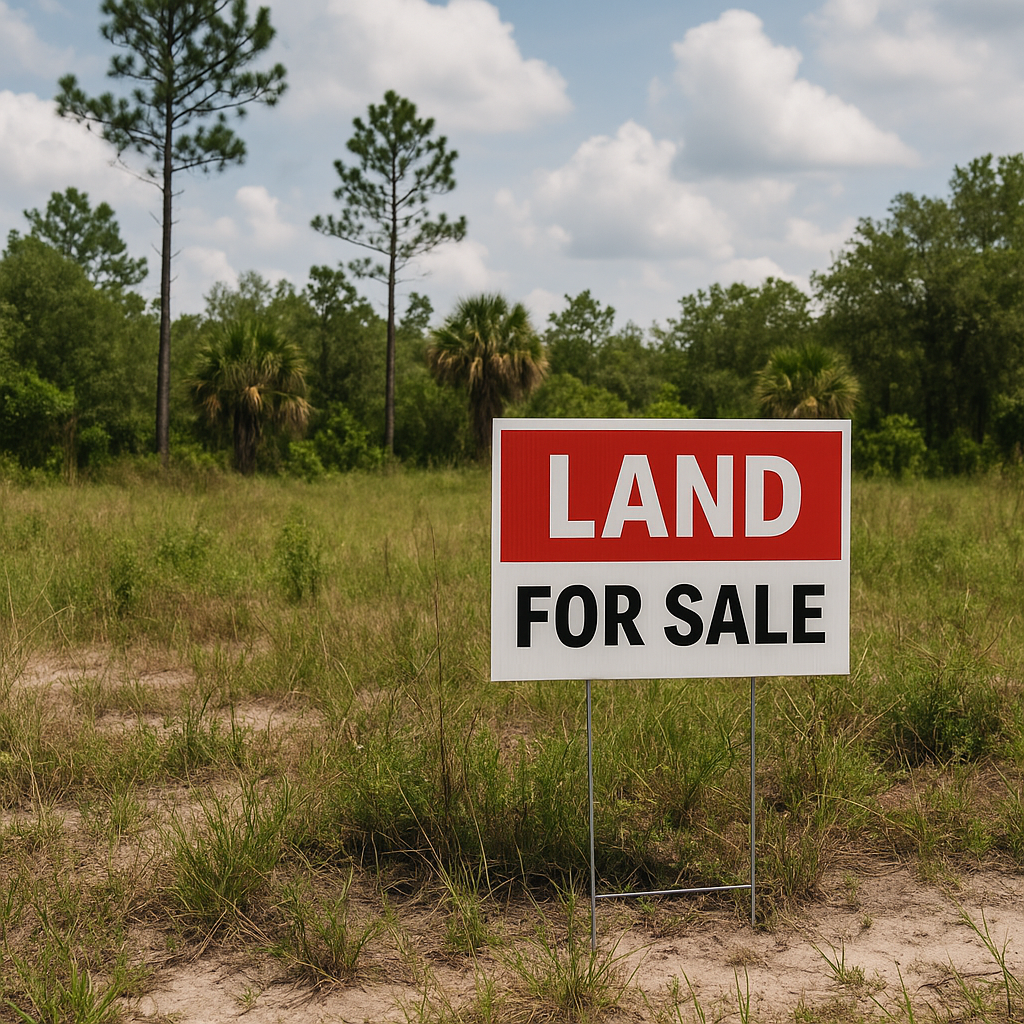
A Florida parcel described as “unbuildable” should be marketed with care. Rather than relying on that label, identify the records and unanswered questions that matter to a prospective buyer.
Ultimate Land Deals presents a direct cash-offer option for Florida land. Whether considering a direct buyer, an agent, or an owner-led sale, provide available parcel records and review any written offer carefully.
Describe the question, not a conclusion
Florida’s local land-development regulations address subjects including subdivision, land and water use, seasonal and periodic flooding, drainage and stormwater management, environmentally sensitive lands, and the availability of facilities and services needed for development. The applicable county or municipality administers its local rules. Florida Statutes §163.3202
Use the records you have to frame parcel-specific questions:
| Topic | Questions to verify |
|---|---|
| Lot dimensions and use | What do the local zoning and planning offices say about the intended use, dimensions, setbacks, and subdivision status? |
| Access | What deed, survey, plat, or other access-related documents are available for the parcel? |
| Flooding and drainage | What local requirements apply to the intended project? |
| Wetlands or surface water | Are there prior environmental reports, correspondence, or permit records relating to the parcel? |
| Facilities and services | What facilities or services would the local government require to be available for the intended development? |
| Prior decisions or restrictions | Are there recorded documents or agency correspondence that a buyer should review? |
A written, parcel-specific response from the appropriate local office can be more useful than a general listing description. Ask about the buyer’s intended use rather than assuming that one answer applies to every possible use.
Environmental questions require current verification
The Florida Department of Environmental Protection says its Environmental Resource Permitting program regulates most land-surface alterations in Florida that are not specifically exempt by statute or rule. DEP directs applicants to contact the district office where a project is located to determine the type of authorization needed. Florida DEP: ERP e-Permitting
For a parcel with wetlands, surface water, drainage features, or prior environmental correspondence, assemble the documents already available, such as:
- Surveys, environmental reports, and site plans;
- Prior permit documents or agency correspondence;
- Recorded restrictions or easements; and
- The date and source of any prior determination.
Do not present an environmental approval, exemption, or permit outcome as settled unless current, parcel-specific documentation supports it. DEP provides a process to request verification of whether an activity qualifies for an exemption from Environmental Resource Permit requirements. Florida DEP: ERP e-Permitting
Assemble a buyer-review file
A concise document file helps a prospective buyer evaluate the parcel. Include:
- Parcel or folio number, legal description, acreage, county, and municipality.
- Deed, title policy, survey, plat, and recorded documents available to you.
- Tax notices and prior government or utility correspondence.
- Environmental, zoning, planning, or permit records you possess.
- Current photographs and a short statement separating known facts from questions still to be verified.
Describe records accurately. Avoid marketing the land as ready to build, unrestricted, or unsuitable for every use unless documentation supports that description.
Compare sale routes with written questions
| Route | Questions to ask |
|---|---|
| Direct buyer | Is the offer in writing? What inspection, feasibility, assignment, closing-date, and cost terms does it contain? |
| Land-focused agent | How will the listing describe the available records and unresolved questions? Which buyers will the agent seek to reach? |
| Owner-led sale | Can you provide records promptly and describe the parcel without making claims beyond the documentation? |
Compare the written terms and the information each buyer requests. Before signing, provide the records you have and read any due-diligence, feasibility, assignment, and closing provisions in the proposed agreement.
A title company or Florida real-estate attorney can help with transaction questions that depend on the parcel and proposed contract. This guide is not legal advice.
FAQs
What should I do before seeking offers?
Collect the deed, survey or plat if available, prior correspondence, and parcel identifiers. Then ask the relevant local office about the buyer’s intended use and retain the response with your records.
Should I investigate wetlands before selling?
Start with the reports and correspondence already available. If a planned activity may affect wetlands or other surface waters, contact the appropriate DEP district office about the authorization question for that project. Florida DEP: ERP e-Permitting
What should an out-of-state owner do first?
Identify the parcel’s county and municipality, collect existing documents, and request parcel-specific information from the applicable local office.