
Fort Mohave Teardown Property Buyers: Compare Offers
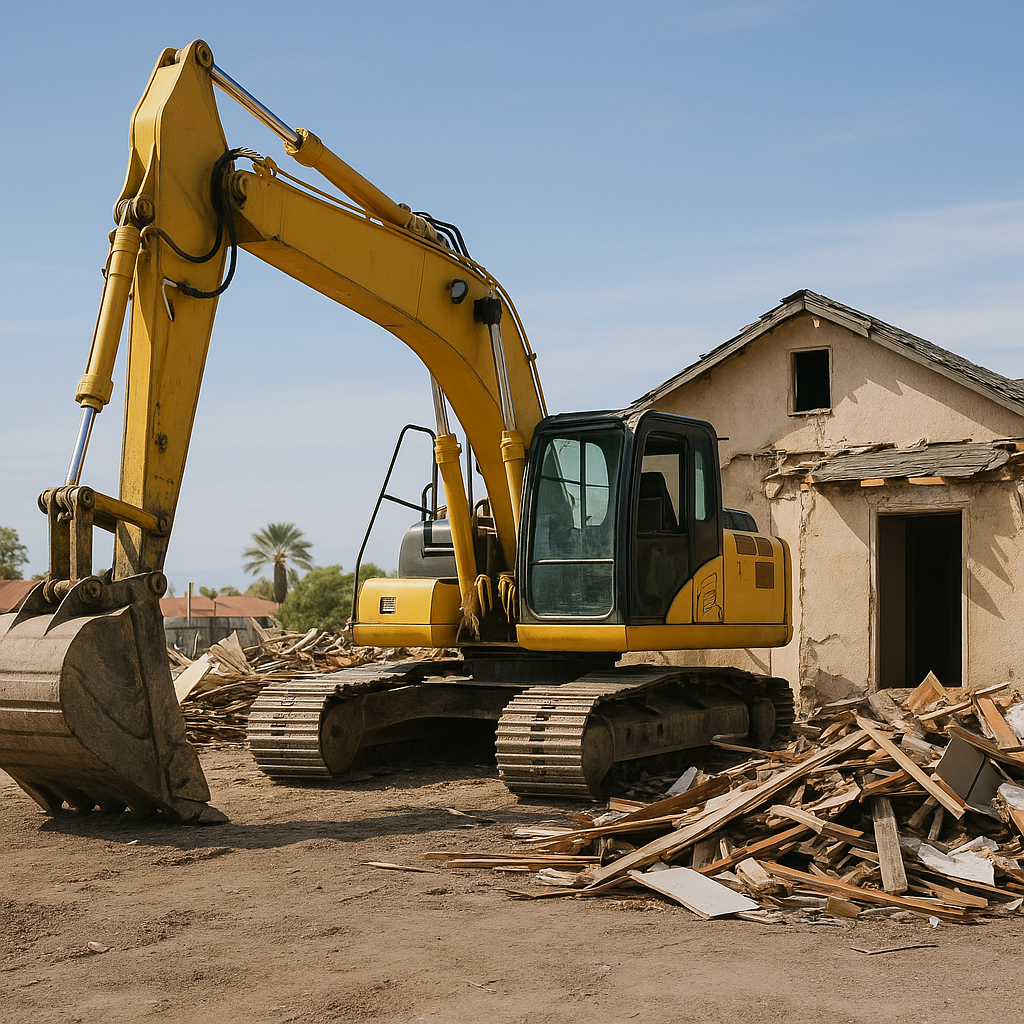
A Fort Mohave property with a failing, unsafe, or unwanted structure can be sold—but the decisive question is not simply who offers the most. It is who is taking responsibility for the structure, site work, approvals, and uncertainty after closing. Sellers comparing Fort Mohave teardown property buyers should request written terms that make that allocation clear before treating a cash offer as comparable to an agent-listed or owner-marketed sale.
Ultimate Land Deals publishes this guide as a vacant-land buyer. Its published materials describe a digital, direct-purchase process for vacant land in Florida; they do not confirm that it buys every improved or teardown property in Fort Mohave. If you contact any direct buyer, including Ultimate Land Deals, confirm the property type, service area, buyer entity, and proposed terms for your particular parcel in writing. Ultimate Land Deals’ company description is a useful starting point for understanding its stated vacant-land focus.
First, decide what a buyer is actually buying
“Teardown” can mean several very different transactions:
- A buyer wants the lot and plans to remove the house after closing.
- A buyer intends to renovate, but calls the building a teardown to price in uncertainty.
- A buyer is willing to contract now only after checking zoning, flood conditions, utilities, boundaries, title, or demolition scope.
- A buyer is acquiring an existing structure and land, then seeking a later resale or assignment.
Those distinctions affect both price and closing certainty. A proposal that says “cash, as-is” may still contain an inspection escape, a financing condition, an assignment right, or an open-ended due-diligence period. None is automatically improper. The concern is accepting terms without understanding what allows the buyer to change the deal or walk away.
Ask each prospective buyer one direct question: “If we close, which remaining property problems become yours rather than mine?” Then ask that the answer be reflected in the contract.
Compare selling routes by the risk that stays with you
The most useful comparison is not “cash buyer versus listing.” It is the trade between possible price discovery and the seller’s continuing exposure to a difficult property.
| Route | What may work well | What the seller should examine closely |
|---|---|---|
| Direct teardown-property buyer | A straightforward route when the buyer can evaluate the site and purchase without marketing the house as habitable. It may suit an absentee owner who wants fewer showings and a coordinated closing. | Is the buyer the actual purchaser? Is assignment allowed? Which contingencies remain? Who pays or performs demolition, cleanup, utility work, lien payoffs, title/escrow charges, and any required permits after closing? |
| Agent listing | May expose the property to builders, remodelers, and owner-occupants, which can be valuable if the structure has a credible repair path or the site has broad appeal. | How will the listing describe condition without unsupported claims? Will buyers seek credits after inspections? What marketing, access, showing, and closing costs will reduce net proceeds? |
| Sell independently | Gives the owner control over price, timing, buyer selection, and communications. It can work where the owner has solid parcel records and can respond promptly to buyer questions. | The owner must screen buyers, manage access, compare forms, and coordinate title and disclosures. A higher asking price is not a better result if the buyer cannot perform or repeatedly extends deadlines. |
A direct buyer’s lower headline price may be rational if that buyer is genuinely assuming material post-closing work. Conversely, an agent-assisted or independent sale may produce stronger competing bids when the parcel is straightforward and marketable. Compare net proceeds, certainty, and retained obligations together, not as separate decisions.
Use a “post-closing responsibility” test on every offer
Before accepting an offer, make a one-page comparison sheet. Put the contract language—not a phone assurance—in the appropriate column.
Seller remains responsible
Flag any item that the seller must complete before closing, such as:
- removing personal property, vehicles, or accumulated debris;
- granting repeated site access or arranging inspections;
- paying delinquent taxes, liens, judgments, or utility balances;
- obtaining a boundary survey, engineering report, septic information, or repair estimate;
- delivering records the seller does not have; or
- obtaining a permit or clearance before the buyer is obligated to close.
Some of these requirements are reasonable. The point is to price them and set deadlines. A seller who lives out of state may find that arranging cleanout or repeated access materially changes the value of an otherwise attractive offer.
Buyer takes responsibility after closing
A more complete offer should identify what the buyer will handle after ownership transfers. If demolition is part of the buyer’s plan, ask whether that includes permit applications, contractor selection, utility coordination, hauling, disposal, and compliance questions. Do not assume that “buyer will demolish” means every related cost or condition has been accepted.
For an unincorporated Mohave County parcel, Development Services is responsible for zoning approvals, land-use permits, and building permits. Its One Stop process can route a complete permit application to applicable agencies. The County also says a Floodplain Use Permit is required for changes to land in a special flood hazard area, including new construction and grading. That does not establish what a particular demolition or replacement project will require; it means the buyer’s redevelopment plan needs parcel-specific confirmation. Mohave County’s permitting guidance explains the County’s role for unincorporated areas.
Still unknown
Do not let an unknown become an implied promise. Mark items such as zoning for a replacement use, floodplain status, utility availability, legal access, soil conditions, title defects, and demolition scope as “to be verified.” A buyer may bear those risks after closing, but the contract should say so rather than relying on a marketing label.
Confirm jurisdiction before relying on a Fort Mohave label
A Fort Mohave mailing address, map pin, or local description does not by itself prove which authority regulates the parcel. This matters especially when a buyer is evaluating future construction or removal of a structure.
Mohave County states that its addressing jurisdiction does not include land within the cities of Kingman, Bullhead City, or Lake Havasu City, Tribal Land boundaries, or the Colorado City area. It also cautions that addresses on vacant properties may be absent or unreliable because addresses are assigned or verified through permitting. Use the APN and legal description when asking questions, not only the street address. Mohave County’s addressing page identifies those jurisdictional limits and the importance of verified addressing.
For a teardown offer, ask the buyer to identify the jurisdiction it used in underwriting. If the parcel is on Tribal Land or otherwise outside County jurisdiction, do not assume County processes apply. If the buyer cannot identify the parcel by APN and legal description, pause before signing.
Contract terms that deserve a plain-English answer
A seller need not negotiate every term alone, but should be able to answer these questions before signing:
- Who is the named buyer? Is it an individual, an LLC, or an entity to be formed later?
- Can the buyer assign the contract? If yes, does the seller consent to assignments, and does the original buyer remain liable if an assignee does not close?
- What is the due-diligence period? State the deadline, any extension right, and what happens to earnest money if the buyer cancels.
- Is earnest money required, and when does it become non-refundable? The amount alone matters less than the release terms.
- Which costs are specifically allocated? List title/escrow, taxes, liens, demolition-related work, cleanout, permit work, and closing charges rather than using vague language such as “customary costs.”
- What must the seller disclose or deliver? Give factual information you have, but do not make unverified statements about zoning, access, utilities, condition, or redevelopment feasibility.
- When does possession transfer? The closing date, recording, keys, gate access, and remaining personal property should align.
A title or real-estate professional can help explain the transaction documents. This article is not legal, tax, environmental, or title advice.
A practical sequence for an absentee owner
Start by collecting the APN, legal description, deed information you possess, recent tax notices, photographs, and a candid list of known site or structure issues. Then request offers using the same basic facts so buyers are pricing the same property.
Next, compare the signed-offer terms using the responsibility test above. Do not spend money on demolition simply because a buyer says the house is a teardown unless your contract requires it and you have decided that obligation is worthwhile. Finally, have the title and closing process identify payoff items and signing requirements before your contingency period or closing deadline creates pressure.
The best Fort Mohave teardown property buyer is not necessarily the party with the largest number at the top of the offer. It is the party whose written terms leave you with a net amount, timeline, and set of remaining obligations you can actually accept.
FAQs
Can I market the property as a teardown?
You can describe the property’s condition factually, but avoid presenting demolition, zoning, replacement construction, or site suitability as settled facts unless they have been verified for that parcel. “Teardown potential” is a buyer opinion, not a confirmed entitlement.
Does a cash offer mean the buyer cannot cancel?
No. Cash describes a funding approach, not the absence of contingencies. Read the inspection, feasibility, title, extension, and assignment provisions to understand when cancellation is permitted.
Should I remove the structure before seeking offers?
Usually, obtain and compare offers first. Removal may change the buyer pool and may create permitting, utility, disposal, or site-condition responsibilities. Ask whether each buyer values the property with the structure in place and what it would require from you before closing.
Can an absentee owner close remotely?
Remote or digital closing may be available, but availability and document-signing requirements depend on the title/escrow provider, the transaction documents, and the seller’s circumstances. Confirm the proposed process rather than assuming it is included.