
Jacksonville Beach Vacant Land: Owner Verification Guide
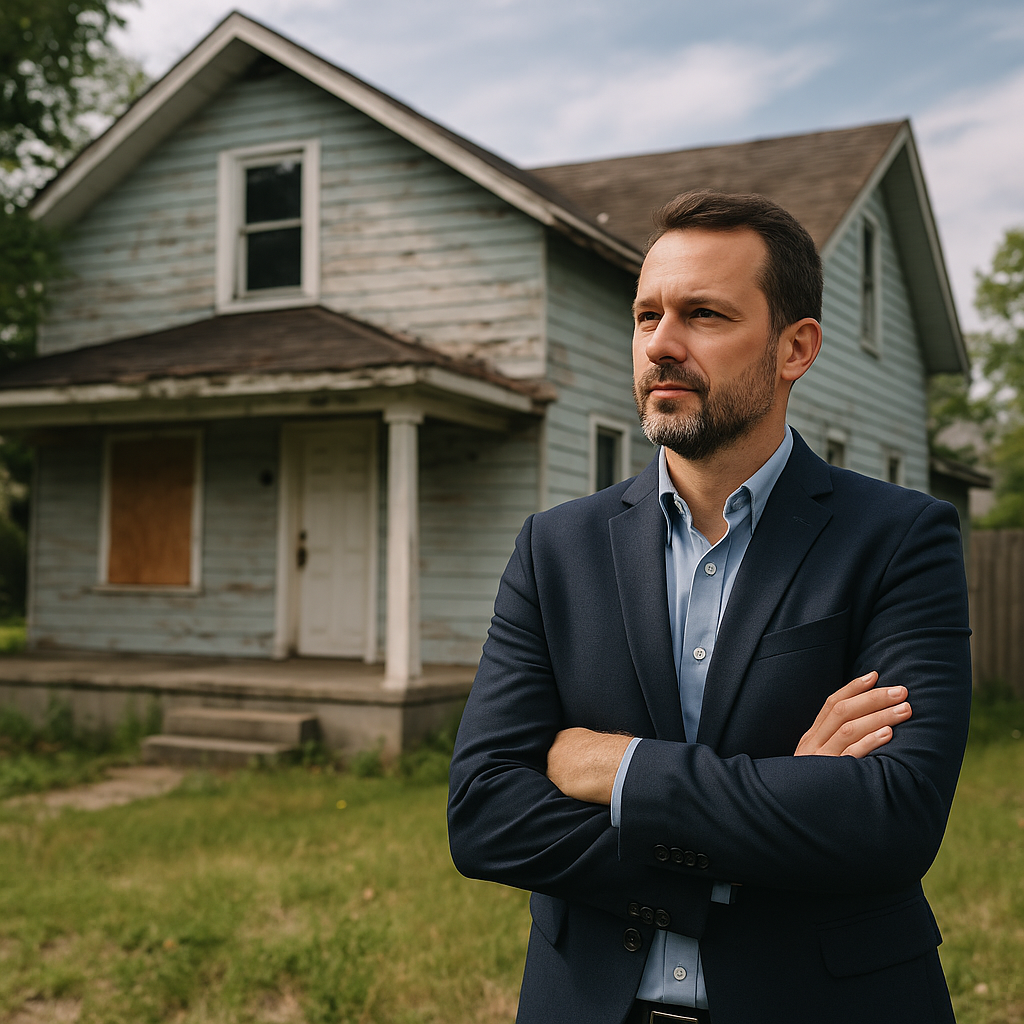
Absentee ownership of a vacant parcel can create practical questions about taxes, property maintenance, ownership records, access, and potential development constraints. Before deciding whether to keep, list, or sell land, focus on parcel-specific facts that can be verified through the appropriate public offices and qualified professionals.
When a Vacant Parcel May Need Attention
A vacant lot may warrant prompt review if you have received a tax-related notice, a city notice, correspondence from an association, or questions from heirs or co-owners.
Jacksonville Beach's Code Enforcement Division enforces City ordinances affecting the use and maintenance of private property, while the City's Planning Division administers the Land Development Code, including zoning and site-clearing standards. A City inspector determines whether a reported condition is a violation; if one exists, the owner may receive a notice identifying the code section, alleged violation, and time to correct it. Confirm any parcel-specific notice or case directly with the City. City of Jacksonville Beach: Planning & Development and Code Enforcement FAQ.
For a Jacksonville Beach parcel in Duval County, nonpayment of annual property taxes can lead to the tax-certificate and tax-deed-sale process. Tax-deed sales are governed by Chapter 197, Florida Statutes, and the auction opening bid includes delinquent taxes and fees associated with the sale. Verify a particular parcel's tax status, certificates, redemption amount, and deadlines directly with the appropriate county office. Duval County Clerk: Tax Deed Files.
Start With the Parcel Record
For property in Jacksonville Beach, begin with the Duval County Property Appraiser's parcel search. It can be searched by real-estate number, owner or business name, address, or map view, and includes parcels in Jacksonville Beach. The site states that displayed values may change and should not be used for financial or business calculations. Duval County Property Appraiser: Basic Search
Useful items to gather include:
- Parcel or real-estate number
- Deed and legal description, if available
- Recent tax statements or county notices
- Any city, association, lien, probate, or ownership correspondence
- Existing surveys or documentation about access
Questions to Verify Before Marketing or Accepting an Offer
Do not assume that a map view, old survey, or prior plan establishes what can be built or cleared. For each parcel, consider verifying:
- Who must sign? Confirm current ownership, trusts, entities, heirs, liens, and other title issues through an appropriate title review.
- What is the tax status? Ask the relevant county office about outstanding taxes, certificates, and deadlines.
- Is there an active City issue? Confirm any alleged violation or active notice directly with Jacksonville Beach.
- What are the physical and environmental constraints? Wetlands, drainage, surface-water conditions, access, and boundaries require parcel-specific review.
- What approvals may be required? Florida's Environmental Resource Permitting program regulates many landscape changes that affect surface-water flows, including clearing, grading, construction, filling, and dredging. Florida Department of Environmental Protection: Environmental Resource Permitting
An environmental permitting exemption, if one applies, should not be treated as a blanket exemption from construction or other approvals. DEP provides separate processes and forms for exemption verification, general permits, and individual or conceptual permits. Florida DEP: Environmental Resource Permitting Forms
Comparing Sale Options
An owner may choose to market the land through an agent, sell independently, retain the property, or consider an offer from a direct buyer. The appropriate choice depends on the parcel, the owner's timing, the proposed price, and the written terms.
Before signing an agreement with any buyer, ask:
- Is the buyer purchasing the property or seeking the right to assign the agreement?
- What contingencies, inspection periods, and cancellation rights are included?
- Who will handle title work, and what costs will be deducted at closing?
- How will delinquent taxes, liens, association balances, or other payoffs be addressed?
- What closing date and signing method are stated in the written agreement?
Review the agreement carefully and seek legal, title, tax, or other professional advice when needed.
Conclusion
A vacant Jacksonville Beach parcel should be evaluated on verified facts rather than assumptions about tax status, boundaries, notices, or buildability. Start with the county parcel record, confirm tax and City matters with the responsible offices, and investigate environmental and permitting questions before committing to a sale or development plan.
Sources
- City of Jacksonville Beach: Planning & Development
- City of Jacksonville Beach: Code Enforcement FAQ
- Duval County Clerk: Tax Deed Files
- Duval County Property Appraiser: Basic Search
- Florida Department of Environmental Protection: Environmental Resource Permitting
- Florida DEP: Environmental Resource Permitting Forms