
North Wildwood Teardown: Demolition Checks
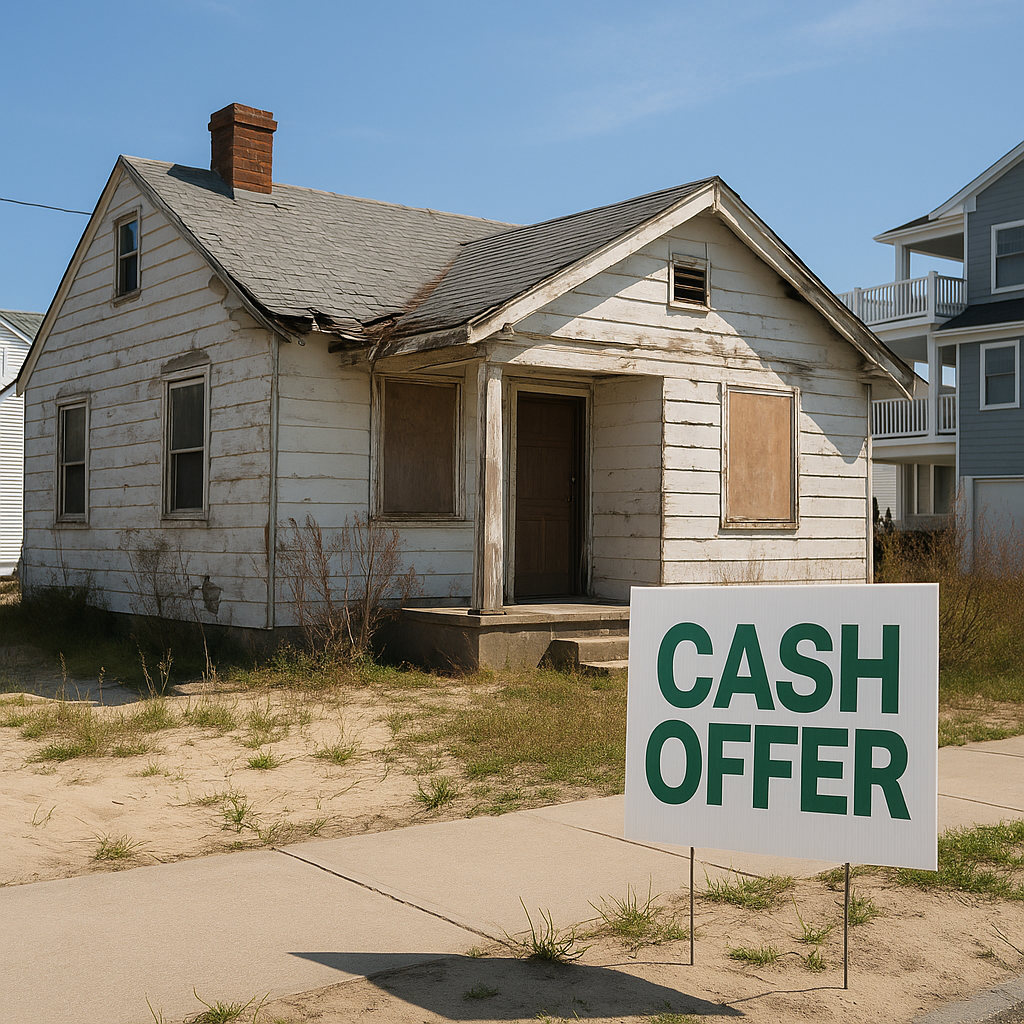
If you are considering offers for a North Wildwood property with an existing structure, separate the present property from any future demolition or construction plan. The key questions are whether demolition is contemplated, when it could occur, and which municipal requirements apply to the work.
Ultimate Land Deals publishes land-selling information and advertises cash offers for Florida land. This guide focuses instead on publicly available North Wildwood and New Jersey requirements that an owner or prospective buyer should review for a North Wildwood property.
Start with the property as it exists
Before describing a property as a teardown or cleared-site opportunity, assemble the basic information needed for a project-specific review:
- Street address and tax block and lot.
- The most recent deed, if available.
- Current property-tax status and any known municipal, water, or sewer charges.
- Existing surveys, elevation certificates, permits, utility correspondence, or reports in your possession.
- A clear description of the structure's condition and any known debris, vehicles, or personal property that may remain.
This information helps frame the questions for the Construction Office and for any party evaluating the property. It is not a representation that a particular replacement project will be approved.
Demolition requires a permit
North Wildwood requires a permit from the Construction Official before demolition work begins. The city code also provides that a demolition permit will not be issued while delinquent taxes or municipal charges, including water and sewer charges, remain against the property. Chapter 166, Buildings, Demolition is the relevant city ordinance.
Ask early:
- Are there delinquent taxes or municipal charges associated with the property?
- Has anyone discussed demolition with the Construction Office?
- Is the expected work demolition, renovation, elevation, or a different scope?
- What approvals or documents will be needed for the proposed work?
Check the seasonal demolition restriction
Except in emergency situations determined by the Fire Official or a city code-enforcement officer, North Wildwood prohibits demolition between June 15 and September 8, inclusive. The restriction applies to demolition activity; it should be considered when evaluating any anticipated project schedule. Chapter 202, Construction Sites contains this rule and other construction-site requirements.
A prospective buyer or owner planning work should confirm the proposed sequence with the city rather than assuming demolition can begin immediately. A useful question is: Does the proposed timetable account for the June 15–September 8 restriction and any required approvals?
Demolition involves site-management requirements
North Wildwood's construction-site rules require a site plan to be submitted concurrently with construction or demolition permit applications. The plan identifies proposed locations for items such as dumpsters, debris containers, construction trailers, fences, portable toilets, and contractor emergency contacts.
The ordinance also addresses debris containers, coverings, sidewalk conditions, material staging, and debris containment. Review the requirements in Chapter 202 before treating demolition as only a contractor-cost question.
Do not treat demolition approval as redevelopment approval
The City of North Wildwood Construction Office states that permits are required to construct, enlarge, repair, alter, renovate, demolish, reconstruct, or change the use of a building or structure. It also notes that some building permits may require prior approvals involving zoning, soil conservation, water, sewer, or CAFRA.
The office recommends directing permit questions to the Construction Official. See the North Wildwood Construction Office.
For a specific block and lot, verify rather than advertise:
- The intended use and zoning implications.
- Water and sewer information.
- Whether other prior approvals apply.
- The details and timing of a proposed construction application.
Avoid representing a particular number of units, building footprint, utility arrangement, coastal approval, or permitted use unless the relevant authority has confirmed it for the exact property.
Questions to use when comparing offers
The price is only one item to compare. Ask each prospective buyer or your closing professional to identify the terms in writing, including:
- The proposed closing date and any review period.
- Whether the offer depends on specific inspections, records, permits, or approvals.
- The proposed treatment of the existing structure, debris, personal property, and possession.
- Whether the buyer anticipates demolition and how the seasonal restriction affects its schedule.
- The documents and municipal information requested before closing.
- Who will coordinate with the closing professional on deed and fee paperwork.
These questions do not determine the right offer. They help distinguish stated terms from assumptions about future work.
Realty Transfer Fee check
For a sale deed that is recorded, New Jersey imposes a Realty Transfer Fee on the seller, subject to listed exemptions. The fee is based on the consideration recited in the deed or, in some circumstances, assessed valuation divided by the Director's Ratio. The state also states that the seller is statutorily responsible for the Realty Transfer Fee and, where applicable, the Graduated Percent Fee. Review the New Jersey Division of Taxation's Realty Transfer Fee guidance with the closing professional handling the transaction.
Ask the closing professional whether an exemption is claimed, what forms are required, and how the applicable fees will appear in the closing documents.
FAQs
Can demolition begin without a permit?
No. North Wildwood requires a permit from the Construction Official before demolition work begins. The city code also bars issuance of a demolition permit while delinquent taxes or municipal charges, including water and sewer charges, remain against the property. Chapter 166 provides the rule.
Can demolition occur during the summer restriction period?
The city prohibits demolition from June 15 through September 8, inclusive, except in an emergency situation determined by the Fire Official or a city code-enforcement officer. Confirm the planned work schedule with the city. Chapter 202 provides the restriction.
Does a demolition permit establish what can be built next?
Do not make that assumption. The Construction Office identifies separate permit and prior-approval considerations, including zoning, soil conservation, water, sewer, and CAFRA requirements that may apply to some projects. Verify the proposed project for the specific property with the appropriate offices.
What should I ask about New Jersey transfer fees?
Ask the closing professional whether the deed will be recorded, whether an exemption is claimed, what forms are required, and how the Realty Transfer Fee will be handled. New Jersey's published guidance states that the seller is statutorily responsible for the fee, subject to applicable exemptions.