
Cape Coral Vacant Lot Value Estimate: Parcel Research Guide
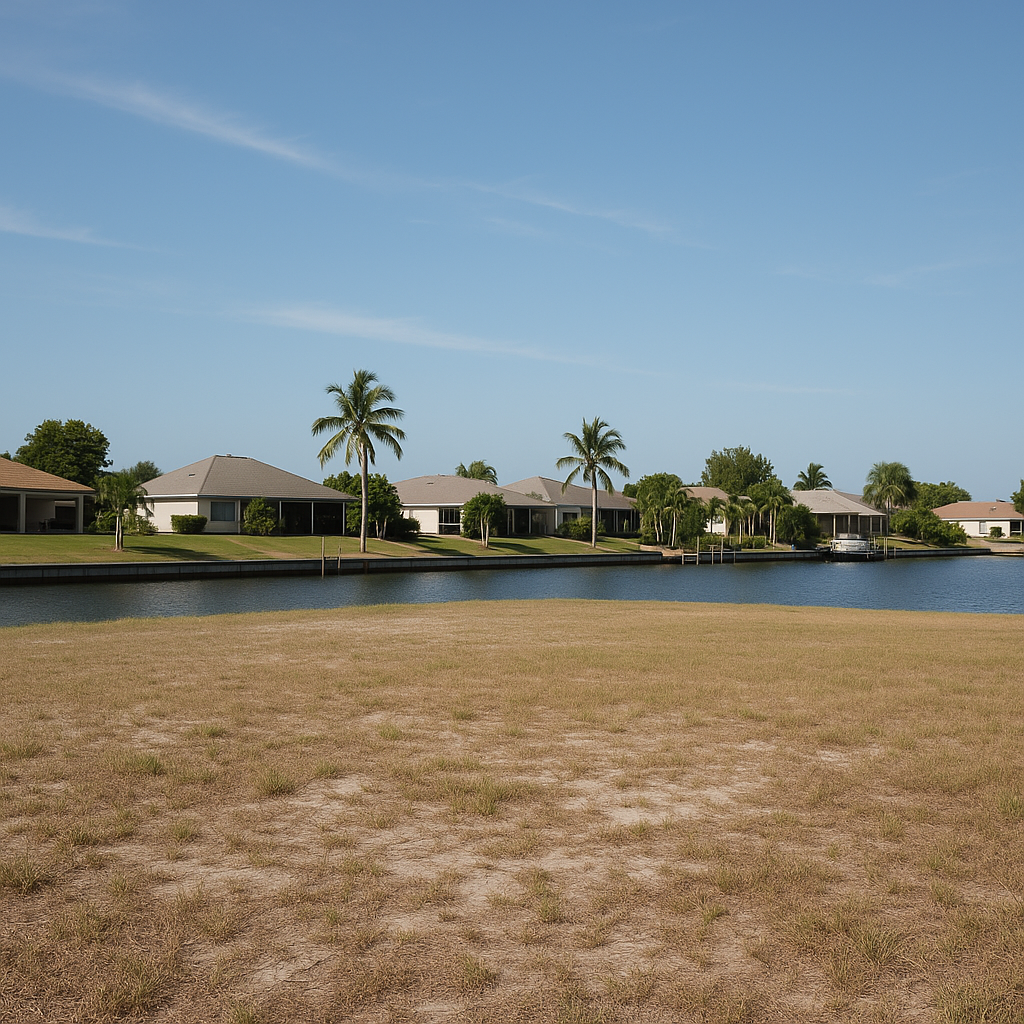
A Cape Coral vacant-lot value estimate should start with the specific parcel—not a citywide average, a neighboring asking price, or an assessed value alone. Useful research begins with the lot’s recorded and parcel data, then compares it with transfers that may be relevant to the same type of buyer.
This guide is published by Ultimate Land Deals. It is not an appraisal or a promise of a sale price. Its purpose is to help an owner organize a documented preliminary range and identify questions to verify before setting an asking price or reviewing an offer.
Separate a possible market range from the owner’s net proceeds
Keep two concepts separate:
- Preliminary market range: a range informed by comparable vacant-land transfers and the parcel’s known characteristics.
- Potential owner net: the range after considering transaction-specific costs or obligations that the seller agrees to pay or that a buyer reflects in an offer.
This distinction helps avoid treating a headline sale price as the amount an owner will ultimately receive. It also keeps parcel facts, assessments, and closing terms visible rather than folding them into one unsupported number.
Build a parcel file before comparing prices
Start with the address or STRAP number. The Lee County Property Appraiser’s Real Property Query provides ownership, sales, prior STRAP, property use, land and building details, aerial photography, TRIM notices, and user-generated parcel, sales, and subdivision reports.
Create a simple file containing:
- Address and STRAP number;
- Subdivision, unit, block, and lot information where available;
- Owner-of-record and transfer history to research further;
- Property-use and land-detail information shown in the query;
- Aerial imagery and apparent road relationship;
- The Property Appraiser’s values, clearly labeled as assessment information rather than a sale-price conclusion; and
- Questions requiring further verification, such as lot dimensions, access, utility status, and permitted use.
For a legal description or conveyance document, use recorded materials rather than a condensed Property Appraiser description. The Property Appraiser warns that its displayed property description is a condensed version for internal use and should not be used for conveying property or recorded documents. Lee County’s Official Records Services provides access to official records including deeds and plats. If dimensions matter to the estimate, verify them from the recorded plat, survey, or another parcel-specific authoritative record.
Use sales reports to identify possible comparable transfers
The Property Appraiser provides sales listings and subdivision reports. Use them to locate possible vacant-land comparables, then review the recorded transaction and parcel facts before treating a sale as a close market comparable.
A small comparison set may be more useful when the transfers are similar in:
- Vacant-land status;
- Location and subdivision context;
- Parcel size and configuration, once verified;
- Water or road relationship, where relevant to the buyer’s intended use; and
- Known utility and assessment circumstances.
Do not average prices immediately. First document why a transfer may be higher or lower than the subject parcel. If few close comparisons are available, use a wider range and state the unresolved differences.
Verify zoning and the use implied by the price
A price assumption may depend on whether a buyer can pursue a particular use. Cape Coral explains that zoning regulates land use, building placement and size, and yard requirements. Its Zoning page directs users to CapeIMS for parcel information, including zoning and future land use, and to the City’s Land Development Code for development regulations.
For an early estimate, verify:
- The parcel’s zoning and future-land-use designation;
- The development standards relevant to the proposed use;
- Flood-zone, eagle-zone, restriction, and payoff information displayed in the City’s parcel lookup; and
- Whether the buyer’s intended use needs further City review or approval.
Do not price a lot as supporting a particular building type or use until the applicable parcel information and standards support that conclusion.
Treat future utility-area research and assessments separately
Cape Coral’s future utility extension area tool currently works for properties in future Utilities Extension Project areas North 1, North 3, North 5, and North 6. Use it to determine whether the parcel is within the tool’s stated future-area scope, then verify the parcel-specific facts relevant to the transaction.
The City’s Tax-Billed Assessments page explains that UEP special assessments can include line-extension and capital-facility-expansion components. It states that, after a pre-payment period, assessments not prepaid default to amortized installments placed on the annual property-tax bill.
For a value estimate, document separately:
| Estimate component | What to verify |
|---|---|
| Comparable-transfer range | Relevant vacant-land transfers and the reasons they are similar or different |
| Future utility-area question | Whether the parcel falls within the future-area tool’s stated scope |
| Assessment information | Current parcel-specific tax-bill or payoff information, if applicable |
| Zoning and parcel flags | Current City parcel information and applicable development standards |
| Preliminary owner net | The proposed price range less transaction-specific seller-paid items |
Do not subtract a guessed “typical” assessment amount. Obtain current parcel-specific figures and review who will pay them under the proposed contract.
Compare sale options using written terms
Once the parcel file and preliminary range are complete, compare options using written terms rather than a headline price alone.
A direct offer, agent listing, or owner-managed sale can each involve different timing, marketing, due-diligence, and closing arrangements. Ask any prospective buyer or agent to explain the proposed price, contingencies, assignment rights, closing costs, assessment treatment, and expected closing process in writing. Confirm title and signing requirements with the title or closing provider.
The practical comparison is the expected net proceeds, timing, contingencies, and responsibilities—not simply the highest advertised number.
A practical stopping point
You have a more useful preliminary value estimate when you can provide:
- The parcel identifier;
- Parcel facts gathered from official sources;
- Several screened possible comparable transfers, or an explanation of why few are available;
- Verified zoning and future-utility-area research where applicable;
- Current parcel-specific assessment information if relevant; and
- A stated range with clear assumptions and unresolved questions.
Label unanswered questions as unresolved. That is more reliable than turning a broad neighborhood average into a precise asking price.
FAQs
Is the Property Appraiser value my lot’s market value?
Not automatically. The Property Appraiser’s information is useful for parcel facts, sales research, and assessment data. A preliminary market range should also consider comparable vacant-land transfers and verified parcel-specific conditions.
Can I use active listings to estimate value?
Listings can help identify current competition and seller expectations, but they are not completed transfers. Review them as secondary context after researching sales listings and parcel facts.
Does the future utility extension area tool answer every utility question?
No single research step should replace parcel-specific verification. The City states that the tool currently works for properties in future UEP areas North 1, North 3, North 5, and North 6. Confirm the parcel’s relevant utility and assessment information before relying on it in a price discussion.
Where should I verify the legal description?
Review the recorded deed or plat through Lee County Official Records. The Property Appraiser cautions against using its condensed property description for a conveyance or recorded document.
Sources and parcel-research resources
- Lee County Property Appraiser: Real Property Query
- Lee County Property Appraiser: Parcel Inquiry notice on property descriptions
- Lee County Clerk of Court: Official Records Services
- City of Cape Coral: Zoning
- City of Cape Coral: Find Your Future Utility Extension Area
- City of Cape Coral: Tax-Billed Assessments