
Jacksonville Beach Off-Market Property Due Diligence Guide
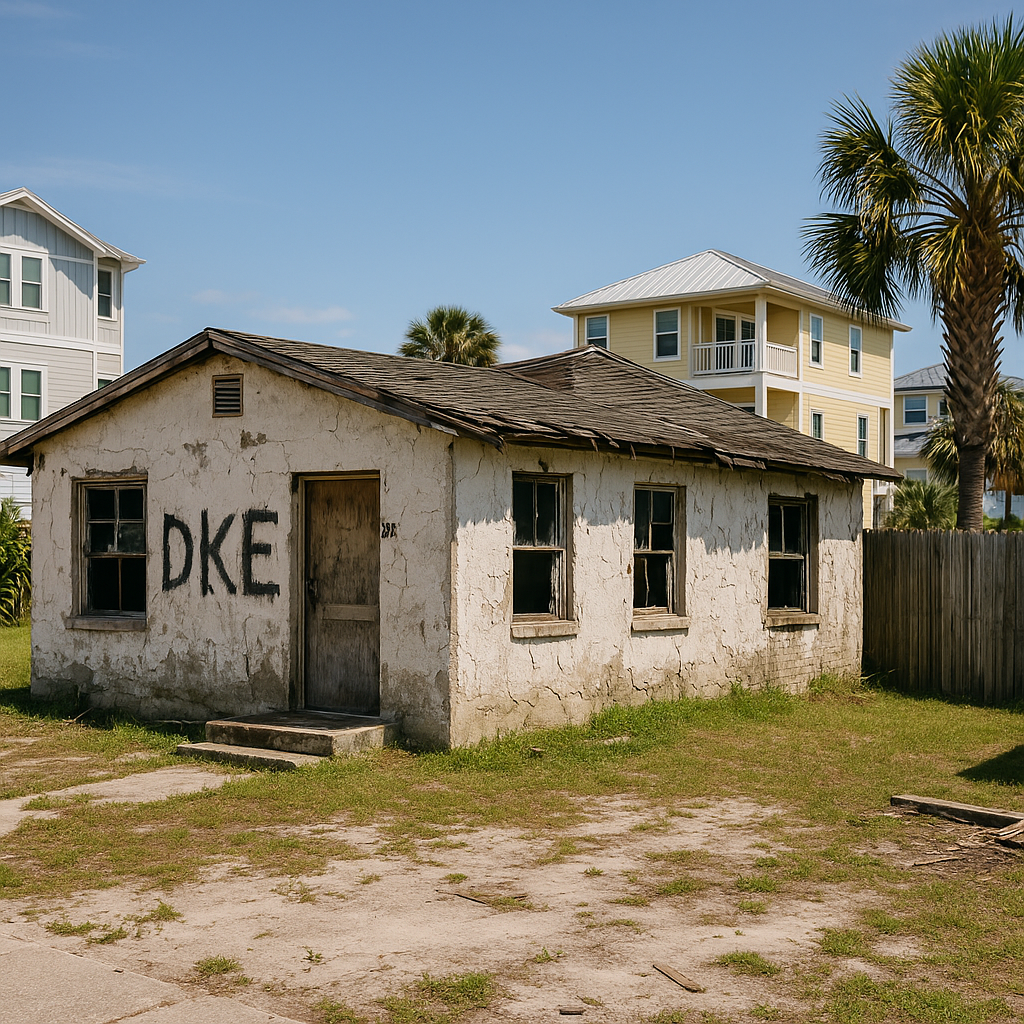
Evaluating Off-Market or Distressed Property
Buyers considering an off-market or distressed home, vacant lot, or teardown candidate in Jacksonville Beach should treat the property’s condition and development potential as parcel-specific questions. A low asking price, an older structure, or a different owner mailing address does not establish that a property can be renovated, redeveloped, subdivided, or purchased on favorable terms.
The useful first step is to define the intended transaction and then verify the details with the appropriate public agencies and qualified professionals.
Start With a Clear Purchase Plan
Before contacting a potential seller or reviewing an opportunity from a business such as Ultimate Land Deals, identify:
- The property type: existing home, vacant lot, or possible teardown
- The intended use: hold, renovate, or new construction
- Your budget for purchase, closing, inspections, repairs, and contingencies
- Questions that must be resolved before making a nonrefundable commitment
This approach helps keep marketing language or preliminary parcel information from being mistaken for a development approval or investment outcome.
Research the Parcel and Seller Information Carefully
The Duval County Property Appraiser’s advanced search covers parcels in Jacksonville Beach and permits searches using fields such as location, subdivision, sales information, property use, and land use. Its export option can include mailing addresses. A mailing address that differs from the property address can be a research field, but it does not establish a seller’s motivation or willingness to sell. Contact a potential seller directly to ask whether they have an interest in selling and verify the details of any proposed transaction. The Property Appraiser also cautions that displayed values can change and should not be used for financial or business calculations. Duval County Property Appraiser advanced search
For an existing property, ask for documents and information relevant to the planned work, including prior permits, known improvements, and any current agreements affecting the property. The City of Jacksonville Beach’s COAST tool allows the public to search historical permit records, permit and inspection status, plan-review status, and outstanding permit fees. Jacksonville Beach Planning & Development
Verify Zoning, Site Requirements, and Permit Needs
Jacksonville Beach’s Planning Division administers the Land Development Code, including zoning, site plans, and subdivision regulations. The City also publishes a zoning map and comprehensive-plan maps. These resources are useful starting points for parcel research, not a determination that a particular project is allowed. Jacksonville Beach maps
For the specific parcel, ask the City about the intended use and whether zoning, site-plan, subdivision, or other review applies. If the plan involves new work, confirm the applicable permit path before assuming that construction, expansion, clearing, or redevelopment can proceed.
The City’s zoning e-permit application asks applicants to identify whether a property is in a flood zone other than X or X-shaded. It also states that additional permits and approvals may be required, that permit issuance does not authorize violations of other laws, and that work may not begin until a permit is approved and posted on site. An owner-builder exemption shown on an application is not a general construction exemption. Jacksonville Beach zoning e-permit application
Include Environmental Questions in Due Diligence
Where wetlands, surface waters, drainage, fill, or stormwater issues may be relevant, seek parcel-specific environmental guidance. Florida DEP explains that a formal determination establishes legally binding landward boundaries of wetlands and other surface waters for the subject property while valid. DEP also states that its Environmental Resource Permitting program regulates activities in, on, or over wetlands and surface waters, as well as activities that alter surface-water flows. Florida DEP: formal wetland determinations Florida DEP: environmental resource permitting
A Practical Review Checklist
Before closing, organize the following questions for the particular property:
- What is the intended use, and has it been discussed with the City?
- What do the zoning and comprehensive-plan maps show for the parcel?
- What permit history and current permit status appear in City records?
- Is the property in a flood zone other than X or X-shaded?
- Could the planned work require additional City, state, or other approvals?
- Are wetlands, surface waters, drainage, or stormwater issues relevant to the planned activity?
- Have title, access, utilities, physical condition, and transaction terms been reviewed with appropriate professionals?
Conclusion
Off-market and distressed-property opportunities should be evaluated through documented, parcel-specific due diligence rather than assumptions about condition, price, seller motivation, zoning, or development rights. Start with official parcel and permit research, ask the City about the proposed use, and obtain appropriate professional advice before committing to a purchase.
Sources
- City of Jacksonville Beach — Planning & Development
- City of Jacksonville Beach — Maps
- City of Jacksonville Beach — Zoning (Land Development Code) E-Permit Application
- Duval County Property Appraiser — Advanced Search
- Florida Department of Environmental Protection — Formal Determinations of the Landward Extent of Wetlands and Other Surface Waters
- Florida Department of Environmental Protection — Submerged Lands and Environmental Resources Coordination Program